
Fitness & Exercise
Best Time to Drink Green Tea for Weight Loss

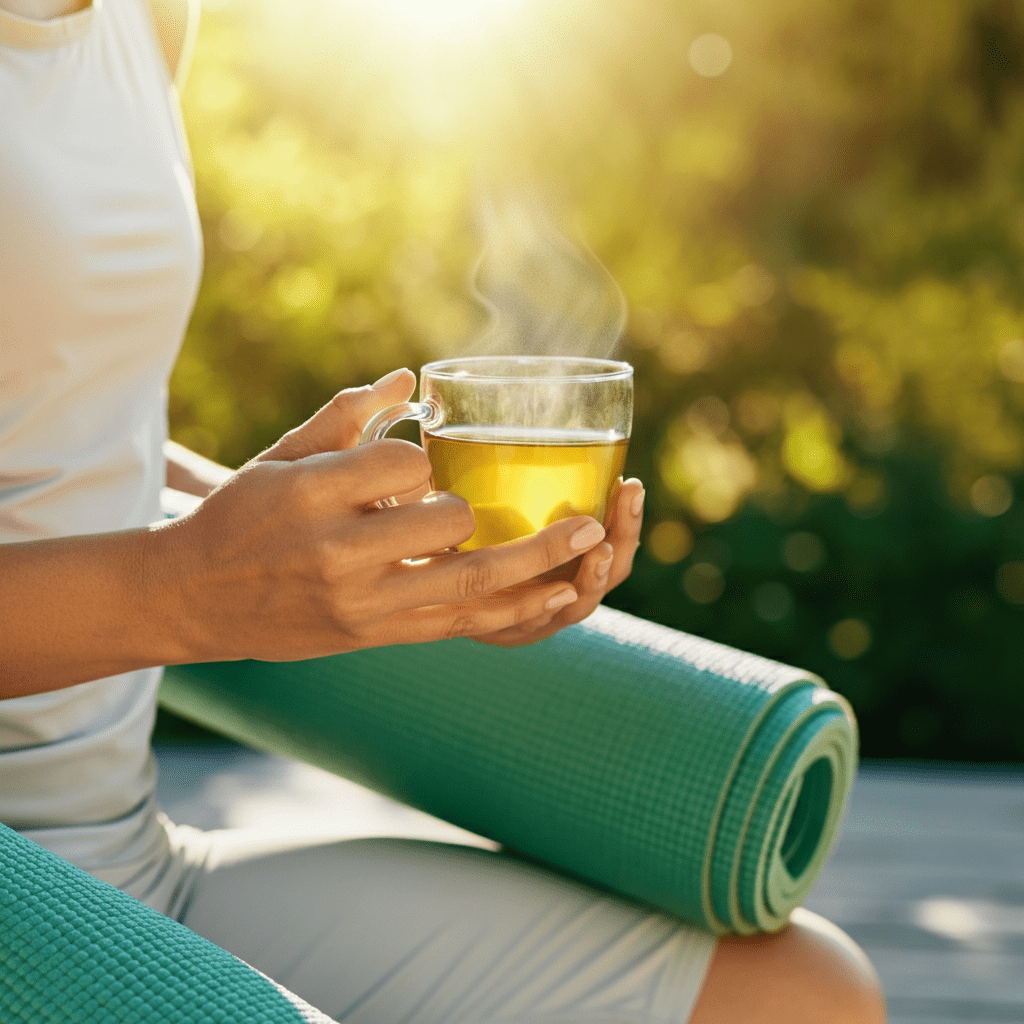
Green tea has been renowned in having unbelievable health advantages and among the top list has been its effective property of contributing to weight loss. This ancient drink, rich in antioxidants, such as EGCG, and metabolism-increasing compounds, can be used to support the process of burning fat as the most effective strategy. However, is it a question of time? Is it better taken in the morning, before exercising or when fasting? And which one is better matcha or sencha?
This book gives a break down of the science based advice on how to time your green tea drinking pattern to lose weight, when not to have caffeine crashes and even how to get the best brands to help you lose weight. Also, you will get to know some secret secrets on how to make your tea in order to get its maximum fat burning effect. You are about to discover the real power of green tea in weight loss sustainably!
Does Timing Matter? Morning vs. Pre-Workout Green Tea
When you drink green tea plays a significant role in how effectively it supports your weight loss efforts.
Drinking Green Tea in the Morning
Having green tea in the morning will make your metabolism start and prepare your body to begin burning the fat. Green tea has a lot of catechins like the EGCG (epigallocatechin gallate) that stimulates the thermogenesis i.e. getting your body warmer as it burns calories. It can be maximized when combined with a light and protein rich breakfast.

Benefits:
- Boosts metabolism for the rest of the day.
- Provides a mild caffeine kick to enhance focus without the jitters of coffee.
- Promotes better digestion.
Pre-Workout Green Tea for Weight Loss
Drinking green tea 30-45 minutes before your workout can optimize fat oxidation during exercise. Its caffeine content gives you an energy boost, while the antioxidants help minimize muscle inflammation and improve endurance.
Benefits:
- Enhances fat burning during exercise.
- Boosts stamina and performance.
- Acts as a natural pre-workout drink without additives.
Pro Tip: Combine green tea with lemon for an extra dose of Vitamin C, which makes it easier for your body to absorb the tea’s antioxidants!
Matcha vs. Sencha: Which Is Better for Weight Loss?
Matcha
Matcha is a powdered green tea made from entire tea leaves, giving it a concentrated amount of antioxidants and caffeine. Its unique preparation method makes matcha a powerful ally for weight loss.
Advantages:
- Higher EGCG levels compared to other green teas.
- Sustained energy boost without a crash.
- Can serve as a coffee alternative.
Sencha
Sencha, Japan’s most popular loose-leaf green tea, is less concentrated than matcha but still offers high levels of L-theanine and catechins, perfect for daily consumption.
Advantages:
- Milder flavor and lower caffeine content.
- Suitable for those sensitive to caffeine.
- Easy to brew and enjoy for multiple cups throughout the day.
Verdict: If you’re looking for maximum fat-burning benefits, matcha is the better option. However, sencha is an excellent choice for a lighter daily drink.

Optimal Brewing Temperatures & Avoiding Caffeine Crashes
How to Brew Green Tea for Maximum Benefits
Brewing green tea correctly ensures you retain its fat-burning properties while minimizing bitterness.
Optimal Brewing Tips:
- Water temperature should be between 160°F and 185°F.
- Steep for 2-3 minutes; over-steeping increases bitterness.
- Use 1 teaspoon of leaves (or 1 matcha scoop) per cup.
Avoiding Caffeine Crashes
The L-theanine in the green tea guids a slow but sure energy spur that offsets the quickening yet indulges of the caffeine. To continue the reduction of the caffeine sensitivity, try sencha or bancha (which is a low-caffeine green tea). Finally, to avoid late-day crashes, reduce its intake to 2-3 cups and do not take it too near bedtime.
Green Tea and Intermittent Fasting
Combining green tea with intermittent fasting can supercharge your weight loss efforts. Green tea suppresses appetite while promoting fat burning, making it an ideal beverage for your fasting window.
How It Helps During Fasting:
- EGCG and caffeine work together to increase fat oxidation.
- Helps keep hunger cravings at bay.
- Improves focus and mental clarity during fasting hours.
For the best results, drink green tea during your fasting window with a squeeze of lemon or ginger to amplify its effects.
EGCG Benefits for Fat Loss
The most prominent compound in green tea is EGCG (epigallocatechin gallate)- this compound is responsible with most of the weight loss effects of green tea. This antioxidant not only enhances the metabolism but also affects the fat storage and thermogenesis.
Key Benefits:
- Fat Breakdown: EGCG aids in breaking down stored fat in fat cells.
- Enhanced Caloric Burn: Stimulates thermogenesis, which can burn 70-100 extra calories per day.
How to Maximize EGCG Intake
- Choose high-quality loose-leaf tea or matcha for maximum concentration.
- Pair with meals high in healthy fats for better absorption of antioxidants.
Can Green Tea Replace Coffee?
If your goal is weight loss, switching from coffee to green tea can be a game-changer. While coffee also contains caffeine, green tea’s L-theanine content ensures a balanced energy boost without jitters or crashes.
Benefits of Replacing Coffee with Green Tea:
- Lower acidic content, making it gentler on the stomach.
- Contains fewer calories if consumed without milk or sugar.
- Provides additional weight loss benefits through EGCG.
Best Green Tea Brands for Weight Loss
Here are some top-rated green tea brands to support your weight loss goals:
- Matcha Konomi Akira Organic: Premium matcha powder with high EGCG levels.
- Jade Leaf Organic Matcha: Ideal for beginners looking for authentic matcha.
- Harney & Sons Japanese Sencha: A flavorful loose-leaf tea packed with antioxidants.
- Yogi Green Tea Blueberry Slim Life: Infused with Garcinia Cambogia for added weight management support.
- Numi Organic Gunpowder Green Tea: A robust, smoky flavor with excellent health benefits.
Why Green Tea is a Weight-Loss Champion
Green tea has peculiar mixture of catechins and caffeine in contrast to the other drinks. They are natural compounds that have a synergistic effect that stimulates your metabolism so that your body burns fat more healthily. To this is added its appetite-suppressing abilities and here green tea will be a good companion to have when wanting to shed some pounds.
The best thing about green tea is that it is an accompaniment to any healthy living. In contrast to strenuous diet products or programs that are unsustainable, green tea is easy, natural and has myriad styles: a nice experience that you can appreciate daily.

The Science of Timing
While sipping green tea at any time can be beneficial, drinking it at the right moments maximizes its impact on your weight loss goals. The best times to drink green tea for weight loss include:
- Morning Kickstart: Drinking green tea before breakfast helps stimulate your metabolism, setting the tone for a productive day. It’s a lighter alternative to coffee while still offering a mild jolt of energy.
- Before a Workout: Green tea is an excellent pre-exercise drink, as it boosts your fat-burning capabilities during physical activity. Its caffeine content enhances focus, giving you a better performance edge.
- Mid-Afternoon Pick-Me-Up: Instead of reaching for sugary snacks, have a cup of green tea to ward off cravings. It stabilizes blood sugar levels while curbing hunger, keeping your calorie intake in check.
- Evening Relaxation: Opt for decaffeinated green tea after dinner to improve digestion, which aids in better nutrient absorption and metabolism efficiency while you sleep.
Making it Work for You
The key is consistency. Green tea’s benefits accumulate over time, meaning you’ll see the best results if you make it a regular part of your routine. Pair it with balanced meals and an active lifestyle, and you’ll be amazed at how even small changes can lead to significant results.
People Also Ask (PAA)
1. Is green tea effective for weight loss?
Yes, green tea contains EGCG and caffeine, which boost metabolism, enhance fat oxidation, and promote calorie burning.
2. Can I drink green tea on an empty stomach?
While drinking green tea on an empty stomach is safe for most, some may experience nausea. Pair it with light food if you’re sensitive.
3. How many cups of green tea should I drink daily for weight loss?
2-3 cups of green tea per day is ideal for weight loss, providing sufficient antioxidants without overloading your system with caffeine.
4. What’s better for weight loss—matcha or regular green tea?
Matcha has higher antioxidant levels and thus offers more weight loss benefits than regular green tea.
5. Can green tea help with bloating?
Yes, its diuretic properties can reduce water retention and ease bloating.
6. Should I add honey or sugar to green tea for weight loss?
It’s best to drink green tea plain to avoid additional calories—but if needed, consider a small amount of honey.
Conclusion
Drinking green tea may also help a great deal in shedding off weight notably when undertaken in a tactical way. Green tea in the morning or prior to the pre-workout Session raises the metabolism and the caloric expenditure, and it is your choice whether to go to matcha or sencha. Green tea and intermittent fasting should be combined, and you should learn about the EGCG effects of green tea and the way of brewing it to ensure that you will obtain the maximum out of it.
Include green tea as a part of your daily routine and watch your weight drop to the sky! Gaze at gourmet green tea and watch what this forgotten beverage of the ancient ages can do to alter your health and fitness resolutions.
Take your first step today—brew a fresh cup of green tea and unlock its benefits!

M. Saim Akhtar
Certified Health Content Specialist at HealthBoostMax. INFS-qualified nutrition researcher with 5+ years of evidence-based health writing. Focus areas: health wellness Information, preventive medicine, nutritional biochemistry, and fitness science.


Table of Contents
You have just killed a hard work out. You are confident of achievement, strong and willing to conquer the world. However, what would happen should that same training which makes you stronger, also happen to temporarily lower the defenses of your body? It is not merely a possibility the phenomenon is documented in the exercise science. It is critical to challenge yourself but in the absence of a smart recovery plan, you will risk undermining your immune system, which will place you at a risk of illness and undermine your fitness ambitions. This plan is an action plan that specifically outlines the steps to follow so that you can safeguard your health and maximize benefits.
This does not mean that one should train less, but recovers smarter. The idea of the open window We will discuss the idea of the open window which is a critical period that occurs after exercise in which your immune system is suppressed temporarily. More to the point, you will get to know an accurate, time-based healing regimen to close that open to end in a very short period of time. When you concentrate on what you do in few minutes to hours and days after the exercise, you will have a strong body that is not only functioning optimally but also maintaining good health throughout the year. It is the key to immune suppression prevention after the workout, and every drop of sweat will guarantee sustainable progress.
Understanding the “Open Window”: Your Post-Workout Vulnerability
Imagine your immune system as a team of security guards patrolling your body. After an intense or long workout, many of these guards are temporarily reassigned to help with muscle repair and inflammation control. This creates a brief period, known as the “open window” where your defenses are down.

This theory, central to exercise immunology, suggests that for a period of 3 to 72 hours after strenuous exercise, your body’s ability to fight off pathogens is reduced. During this time, key immune cells like lymphocytes and natural killer cells are lower in number and less effective. This doesn’t mean you’ll automatically get sick after every hard session, but it does mean your risk is elevated. Factors like training intensity, duration, and your personal recovery protocol play a huge role in how wide this window opens and how long it stays open. The goal of this blueprint is to minimize that period of vulnerability.
The Immunity-Focused Recovery Protocol: A Phase-by-Phase Guide
Your recovery starts the second your workout ends. By strategically timing your nutrition and recovery practices, you can slam the open window shut and kickstart the adaptation process.
Phase 1: The Critical 0–30 Minute Window
This is your first line of defense against post-workout immune suppression. Your body is primed for nutrient absorption, and immediate action is crucial.
- Priority 1: Immediate Hydration: You’ve lost significant fluids through sweat. Dehydration is a physiological stressor that can exacerbate immune suppression.
- Actionable Goal: Drink 16–24 ounces (approximately 500–700 ml) of fluid for every pound (0.5 kg) of body weight lost during your session. If you don’t weigh yourself, aim for at least 20 ounces immediately post-workout. Adding an electrolyte tablet or powder can enhance rehydration.
- Priority 2: Rapid Glycogen Replenishment: Your muscle glycogen (stored carbohydrate) is depleted. Replenishing it quickly signals to your body that the “famine” is over, reducing the production of stress hormones like cortisol that suppress immune function.
- Actionable Goal: Consume 1.0–1.2 grams of easily digestible carbohydrates per kilogram of body weight. For a 150 lb (68 kg) person, this is 68–82 grams of carbs. Think simple sugars found in fruit, juice, or a sports drink.
- Priority 3: Initiate Muscle Repair with Protein: While carbs are the priority, a small amount of protein helps kickstart muscle protein synthesis and provides amino acids that support immune cells.
- Actionable Goal: Aim for a carbohydrate-to-protein ratio of 3:1 or 4:1. For our 68 kg athlete consuming 75g of carbs, this means adding about 20–25 grams of protein. A simple whey or plant-based protein shake mixed with a banana and fruit juice is perfect.
Phase 2: The 1–2 Hour Window
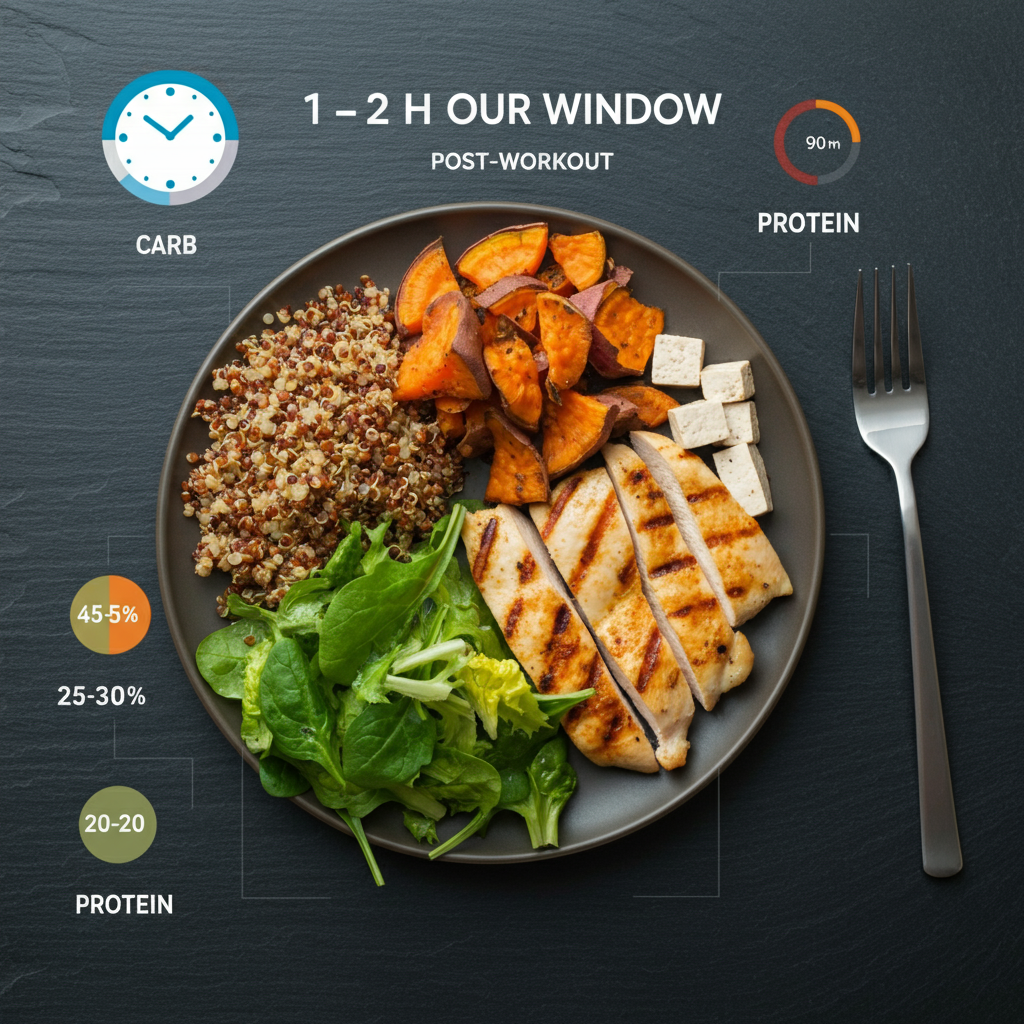
Within two hours of finishing your workout, your focus shifts from rapid-fire refueling to a complete, balanced meal. This meal solidifies your recovery, stabilizes blood sugar, and provides the sustained building blocks your body needs.
- Focus: A Whole-Food, Nutrient-Dense Meal: This meal should contain a mix of complex carbohydrates, high-quality protein, and healthy fats.
- Complex Carbohydrates: These provide a sustained energy release to continue topping off glycogen stores. Aim for sources like quinoa, brown rice, sweet potatoes, or whole-wheat pasta. Portion Size: 1–2 cupped handfuls (approx. 40–60g of carbs).
- Lean Protein: Essential for repairing muscle tissue and manufacturing new immune cells. Choose sources like grilled chicken breast, salmon, lean beef, tofu, or lentils. Portion Size: 1 palm-sized portion (approx. 25–40g of protein).
- Healthy Fats & Vegetables: Fats are crucial for hormone production and reducing inflammation. Colorful vegetables deliver a powerful dose of antioxidants to combat exercise-induced oxidative stress. Aim for avocado, nuts, seeds, and at least two fistfuls of varied, colorful vegetables.
Key Supplements for Immune Support
While a food-first approach is always best, certain supplements have shown promise in supporting the immune system of athletes.
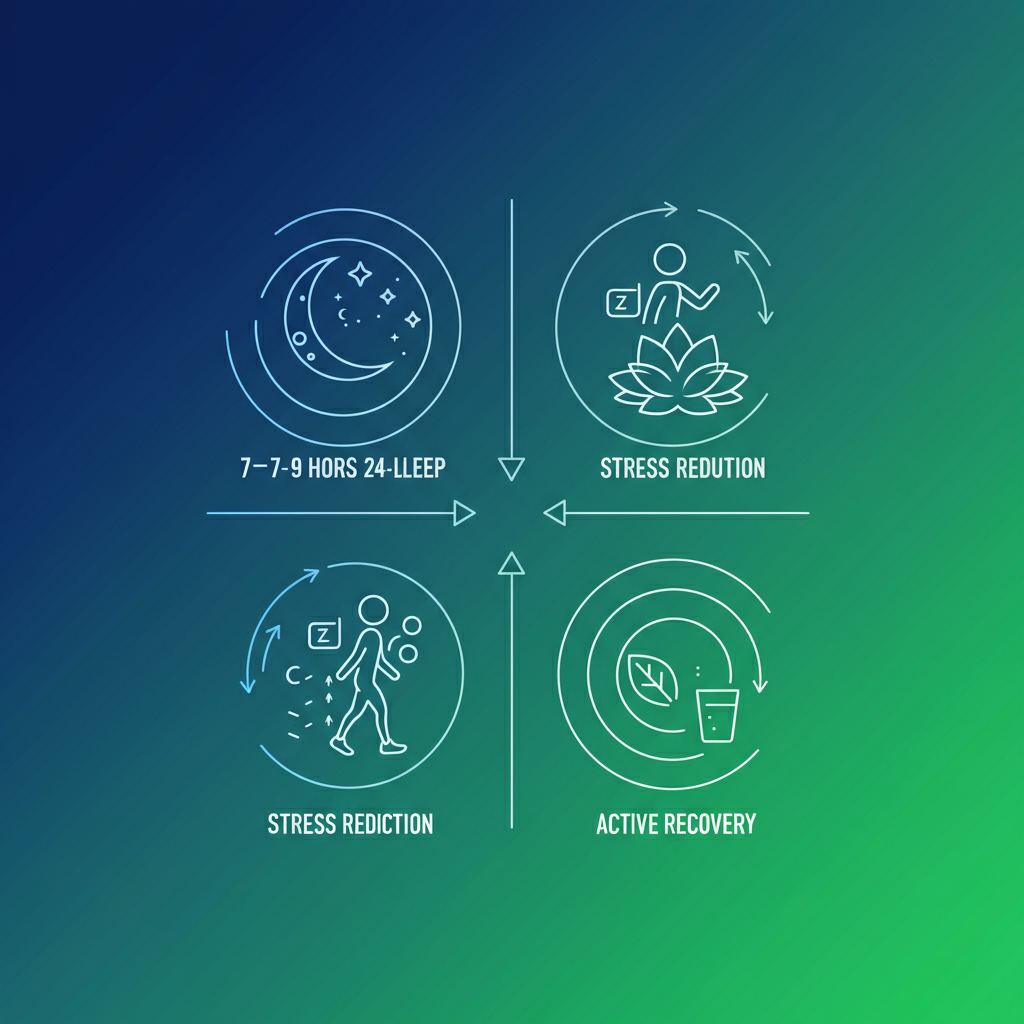
- Glutamine: This amino acid is a key fuel source for immune cells. Intense exercise can deplete glutamine levels. While research is mixed, some studies suggest that supplementing with glutamine post-exercise may help maintain immune function. The scientific consensus is that it’s safe for most athletes, but its direct impact on preventing illness is still debated.
- Omega-3 Fatty Acids: Found in fish oil, these fatty acids have potent anti-inflammatory properties. By helping to resolve the inflammation caused by intense exercise, they may indirectly support immune health and reduce muscle soreness. The evidence for omega-3s is strong, and they are considered a safe and beneficial supplement for general health.
Disclaimer: Always consult with a healthcare professional before starting any new supplement regimen.
Sample Post-Workout Meal Plans (1–2 Hour Window)
Here are three sample meals designed to meet recovery needs for different dietary preferences.
- Omnivore Recovery Plate
- Meal: 6 oz grilled salmon, 1 large sweet potato (baked), 1 cup steamed broccoli with a drizzle of olive oil.
- Approximate Macros: 650 calories, 45g protein, 70g carbohydrates, 20g fat.
- Vegetarian Recovery Bowl
- Meal: 1.5 cups cooked quinoa, 1 cup black beans, 1/2 avocado, bell peppers, onions, and a scoop of Greek yogurt (or a dollop of sour cream).
- Approximate Macros: 620 calories, 30g protein, 85g carbohydrates, 18g fat.
- Vegan Recovery Scramble
- Meal: 1 block of firm tofu scrambled with turmeric and black salt, sauteed with spinach and mushrooms, served with 2 slices of whole-grain toast and 1/2 avocado.
- Approximate Macros: 600 calories, 35g protein, 65g carbohydrates, 22g fat.
People Also Ask (PAA)
- What is the duration of immune suppression following a severe exercise?
Immune suppression takes a period of between 3 and 72 hours depending on the availability of an open window. This will vary depending on the intensity and duration of exercise, the fitness of the person and his/her recovery. This vulnerability can be reduced greatly by a well-implemented recovery.
What is the indication of overtraining?
Symptoms of the state of overtraining are frequently mixed with immune suppressions and comprise such symptoms as persistent muscle aches, increased resting heart rate, frequent infections (colds, infections), worse performance, mood swings or irritability, anorexia, and fatigue.
Is it possible to overpower the immune system?
To the general population, increasing the immune system is a commercial expression. It is aimed at nurturing a well-balanced and functioning immune system. There is no such thing as a stronger immune system by taking too much of some vitamins or supplements and it can be detrimental. The keys to healthy immune functioning are a balanced diet, sleep and stress management.
Is moderate exercise deadening the immune system?
No, quite the opposite. Moderate exercise that is done on regular basis is one of the most effective ways to make your immune system strong in the long term. It enhances the circulation and functioning of immune cells. Only long- and strenuous workouts in the absence of relaxation lead to the temporary immunosuppression after the workout.
Does vitamin C prevent sickness after the exercise?
Although vitamin C is an important antioxidant to the body in general, studies have not demonstrated that large doses of this vitamin used immediately after exercise can avoid illness in the majority of athletes. The best method is to obtain enough vitamin c in your daily meal by consuming whole fruits, berries and leafy greens as a source of vitamin C.
Conclusion
The dedication that you have put in training should be rewarded by a plan of recovery that keeps your health safe and your results as high as possible. There is nothing to prevent post-workout immune suppression other than appreciating the idea of the recovery process that enables your body to develop and become stronger. Embracing this blueprint based on immunity, which means fueling up on a meal as fast as you can, a balanced meal, sleep, stress management, all of these will make a resilience environment.
You shut the, so-called, open window and make a time of weakness one of the strengths of adaptability. Discipline in your workouts should be applied to your recovery. This well-disciplined strategy keeps you in the game and you are always adding up to the progress without the hindrance of sickness. Now, go and put this plan into action and make a body that literally cannot be broken.
M. Saim Akhtar
Certified Health Content Specialist at HealthBoostMax. INFS-qualified nutrition researcher with 5+ years of evidence-based health writing. Focus areas: health wellness Information, preventive medicine, nutritional biochemistry, and fitness science.

Main Points
Have you not found that a deep sigh will at once discharge a great deal of tension? That mere thing is a parting to the deepest relationship that exists between your breath and your nervous system. The stress response of the body or the fight-or-flight mode is frequently left on in the constantly connected world. This is a continuous stress that may undermine our defenses leaving us more vulnerable to diseases. Luckily, you have a weapon of great strength, which you possess naturally, your breath. It is possible to change the state of your body to a rest and digest to promote deep relaxation and help your overall well-being by learning certain breathing exercises to engage the parasympathetic nervous system, which strengthens the immune system.
This is not a simple matter of feeling relaxed, it is a physical re-set button. With mindful breathing, you can control your heart rate, reduce stress hormones such as cortisol and improve the natural resilience of your body. In this guide, the science behind this connection shall be discussed, with the five basic yet effective breathing techniques being explained. You will be taught how to use the potential of your own lungs and achieve autonomic balance, enhance your immune system and develop a feeling of peace both internally and externally. We can start this trip to a more serene and healthier state.
The Vagus Nerve: You Change Breath to Immune.
The vagus nerve is the longest cranial nerve within your body and the centre of your relaxation reaction. It is a superhighway of information that links your brain to your heart, lungs and digestive system. This nerve is the main stimulator of your parasympathetic nervous system the division of your autonomic nervous system that takes care of rest, recovery and repair. When you deliberately go slow and lengthen your breath, you are actually doing vagus nerve stimulation. This mild stimulation sends a message to your brain that you are safe that results in cascades of positive physiological changes.
It makes your heart rate slow, your blood pressure drop and the secretion of stress hormone cortisol reduces. Cortisol levels are known to inhibit the immune functioning with time. The regulation of cortisol by you optimizes the functions of your immune cells. In addition, engaging the parasympathetic nervous system enhances Heart Rate Variability (HRV), which is a major measure of the capacity of your body to respond to stress.
1. The 4-7-8 Breathing Technique (The Relaxing Breath)
This technique, popularized by Dr. Andrew Weil, acts as a natural tranquilizer for the nervous system. The extended exhale is key to its effectiveness.

Physiological Mechanism
Holding your breath after the inhale allows your blood to become fully oxygenated. The long, audible exhale that follows stimulates the vagus nerve, slowing your heart rate and initiating the relaxation response. It’s one of the most direct breathing exercises to activate the parasympathetic nervous system for immunity.
Step-by-Step Instructions
- Sit or lie down in a comfortable position. Gently place the tip of your tongue against the ridge of tissue just behind your upper front teeth and keep it there throughout the entire exercise.
- Exhale completely through your mouth, making a whooshing sound.
- Close your mouth and inhale quietly through your nose to a mental count of four.
- Hold your breath for a count of seven.
- Exhale completely through your mouth, making a whoosh sound to a count of eight.
- This completes one breath. Inhale again and repeat the cycle three more times for a total of four breaths.
Ideal Timing & Frequency
Perform this technique before bed to aid with sleep optimization, or anytime you feel anxious or overwhelmed. Start with one session of four breath cycles per day and gradually work up to two sessions.
Contraindications & Tips
If you feel lightheaded, stop and breathe normally. The seven-second hold can be challenging initially; you can start with a shorter hold (e.g., 4-5 seconds) and work your way up. Individuals with respiratory conditions should consult their clinician. Never practice this while driving.
2. Box Breathing (Sama Vritti Pranayama)
Also known as square breathing, this technique is favored by Navy SEALs for its ability to induce calm and focus under pressure. Its simple, symmetrical pattern makes it easy to remember and practice anywhere.
Physiological Mechanism
The equal-length inhales, holds, and exhales help regulate the autonomic nervous system. This rhythmic pattern calms the amygdala, the brain’s fear center, while the holds reset your respiratory rhythm, helping to lower stress and improve mental clarity.
Step-by-Step Instructions
- Find a comfortable seated position with your back straight. Gently close your eyes.
- Exhale all the air from your lungs.
- Slowly inhale through your nose for a count of four. Imagine drawing one side of a square.
- Hold your breath at the top of the inhale for a count of four. Picture the top side of the square.
- Gently exhale through your nose for a count of four, tracing the third side of the square.
- Hold your breath at the bottom of the exhale for a count of four, completing the square.
- Repeat this cycle for 3–5 minutes.
Ideal Timing & Frequency
Use this technique before a stressful event like a presentation or difficult conversation. It’s also an excellent mindfulness training tool to start your workday or use during a midday break to reset your focus.
Contraindications & Tips
Those with untreated hypertension or who are pregnant should avoid the breath-holding portions or shorten them. If holding your breath causes anxiety, simply practice inhaling for four and exhaling for four.
3. Resonant Breathing (Coherent Breathing)
This technique involves breathing at a specific rate (around 5–6 breaths per minute) to synchronize your heart, lungs, and brain rhythms, maximizing your Heart Rate Variability (HRV).

Physiological Mechanism
Breathing at this resonant frequency brings your cardiovascular, respiratory, and nervous systems into coherence. This state optimizes gas exchange, calms the nervous system, and significantly enhances HRV, which is a powerful indicator of stress resilience and autonomic balance.
Step-by-Step Instructions
- Sit upright but relaxed, with your feet flat on the floor. Place a hand on your belly to feel its movement.
- Begin by inhaling slowly through your nose for a count of five. Feel your belly expand like a balloon.
- Without pausing, exhale slowly through your nose for a count of five. Feel your belly gently fall.
- Continue this smooth, even rhythm without any pauses between breaths.
- Practice for 5–10 minutes. You can use a paced breathing app to help maintain the rhythm.
Ideal Timing & Frequency
Practicing for 10–20 minutes daily can produce lasting benefits for blood pressure and mood. It’s an ideal morning practice to set a calm tone for the day or an evening practice to wind down.
Contraindications & Tips
This technique is generally very safe. The key is comfort; if a five-second count feels too long, start with four seconds and gradually extend it. The goal is a relaxed, even rhythm, not strain.
4. Alternate Nostril Breathing (Nadi Shodhana)
This classic pranayama (yogic breathing) technique is known for its ability to balance the right and left hemispheres of the brain and calm the mind.
Physiological Mechanism
By alternating airflow through each nostril, you are thought to balance the sympathetic (right nostril) and parasympathetic (left nostril) nervous system channels. This practice harmonizes energy flow in the body, reduces anxiety, and enhances respiratory function. It is a cornerstone of many mindfulness and anxiety treatment programs.
Step-by-Step Instructions
- Sit comfortably with a tall spine. Rest your left hand on your left knee.
- Bring your right hand to your face. Fold your index and middle fingers toward your palm, leaving your thumb, ring finger, and pinky finger extended (Vishnu mudra).
- Close your eyes and take a deep breath in and out through your nose.
- Close your right nostril with your right thumb. Inhale slowly and steadily through your left nostril.
- Close your left nostril with your ring finger, so both nostrils are held closed. Briefly pause.
- Open your right nostril and exhale slowly.
- Inhale through your right nostril.
- Close the right nostril, pause, and then open the left nostril to exhale.
- This completes one full cycle. Continue for 5–10 rounds.
Ideal Timing & Frequency
This is an excellent technique to use when you feel mentally scattered or emotionally unbalanced. Practice it in the morning to clear your mind or in the afternoon to combat mental fatigue.
Contraindications & Tips
If you have a blocked nose due to a cold or allergies, wait until you can breathe clearly. If the hand position is uncomfortable, simply use your thumb and index finger. Move slowly and mindfully.
5. Humming Bee Breath (Bhramari Pranayama)
This unique and powerful technique uses sound vibration to instantly soothe the nervous system and quiet the mind.

Physiological Mechanism
The humming vibration stimulates the vagus nerve endings in the throat and sinuses. This vibration, combined with the extended exhale, creates a powerful calming effect, reduces blood pressure, and can even increase nitric oxide production in the sinuses, which supports lymph flow and immune defense.
Step-by-Step Instructions
- Sit in a comfortable position with your back straight. Gently close your eyes.
- Place your index fingers on the cartilage that partially covers your ear canals (the tragus).
- Take a deep breath in through your nose.
- As you exhale, gently press the cartilage to close your ears. Keep your mouth closed and make a low-to-medium-pitched humming sound, like a bee.
- Feel the vibration resonate in your head and chest.
- Continue humming for the entire length of your exhale.
- This is one round. Repeat for 6–8 rounds.
Ideal Timing & Frequency
Practice this before meditation to quiet the mind or before sleep to release the day’s tension. It’s also highly effective for relieving frustration or anger in the moment.
Contraindications & Tips
Avoid this practice if you have a severe ear infection or tinnitus that is aggravated by the sound. Start with a soft hum and find a pitch that feels soothing to you. Ensure you are in a safe, private space where you feel comfortable making noise.
People Also Ask
- What is the number of times that I need to carry out breathing exercises per day?
When benefits are to be lasting, then strive to be consistent, not intense. One should aim at practicing 5-10 minutes per day or twice a day. A couple of minutes even in the stressful situation can count a lot in terms of controlling your nervous system.
Will other stress management techniques be substituted with breathing exercises?
Practices related to breathing are the effective and bedrock aspect of an integrated stress management program. Although they may help essentially in relieving stress, they are most effective as part of a combination of other healthy practices such as regular exercises, good diet, sleep, and mindfulness training.
How can the parasympathetic nervous system be stimulated in the quickest possible time?
The quickest is a long slow breath out. Such tricks as the 4-7-8 breath or basic deep breathing followed by longer exhalations than inhalations, send a direct message to your vagus nerve to trigger the relaxation process that decelerates the heart rate.
Do deep breathing exercises actually increase immunity?
Yes, through the decrease in chronic stress. Regularity in the performance of breathing exercises to induce the parasympathetic nervous system to promote immunity reduces cortisol, decreases inflammation, and enhances HRV. This will provide an internal environment within which your immune system will work more efficiently increasing your overall resilience.
Is it possible to perform these breathing exercises when lying down? Absolutely. Lying can make you even more relaxed, particularly in the method of 4- 7- 8 or Resonant Breathing that is practiced before sleep. It could be excepted only by the Alternate Nostral Breathing that can be done more often sitting in an upright posture.
Conclusion
The breath is a constant and faithful anchor, which will never fail you. It is not just a mere biological activity; it is a direct lever that you can engage to send your nervous system in a stress condition to a state of calm, recovery and strength. With regular application of these five methods, it is not merely the stress that you are dealing with at that particular time, but you are actually training your body to become more resilient as time goes by. Besides enhancing the health of your immune system at an essential level, you are stimulating autonomic balance and decreasing the chronic inflammation that may degrade your defensive mechanisms.
You have the strength to feel better, be more focused and enhance your immunity. Despite that, start the 21-day challenge today and observe the both minor and considerable change in your health. Start with just five minutes. Just feel the kindly sway of yourself breathing and open the deep-sea advantages of parasympathetic force. Do not forget to be kind and patient with yourself in creating this new life-enhancing habit.
M. Saim Akhtar
Certified Health Content Specialist at HealthBoostMax. INFS-qualified nutrition researcher with 5+ years of evidence-based health writing. Focus areas: health wellness Information, preventive medicine, nutritional biochemistry, and fitness science.

Table of Contents
You just crushed a tough workout. You pushed your limits, felt the burn, and now you’re basking in that post-exercise glow. But what if that same workout that makes you stronger could also temporarily leave you vulnerable? This is the core idea behind a concept in exercise science known as the “open window.”
Think of it this way: intense or prolonged exercise (over 90 minutes) is a form of stress on your body. In the hours that follow, certain parts of your immune system take a brief time-out. This period, lasting anywhere from a few hours to three days, is the “open window” where your defenses are slightly lowered, potentially increasing your risk of catching a cold or other upper respiratory tract infections (URTIs).
Don’t panic—this doesn’t mean you should skip your workouts. It means that what you do after you train is just as important as the training itself. By implementing a smart, timed recovery strategy, you can slam that window shut, protect your immune system, and ensure your hard work translates into consistent gains, not sick days. This guide is your blueprint for a bulletproof recovery.
The Critical 0–30 Minute Window: Immediate Action
The first 30 minutes post-exercise are your golden opportunity to kickstart recovery and support your immune system. Your body is primed to absorb nutrients and rehydrate. Your mission is simple: refuel and rehydrate with precision.

Hydration and Electrolyte Reload
You lose more than just water when you sweat; you lose crucial electrolytes like sodium. Replenishing both is non-negotiable.
- Hydration Target: Aim to replace 150% of the fluid you lost during your workout over the next 2–4 hours. To figure this out, weigh yourself before and after a session. For every 1 kg (2.2 lbs) lost, you need to drink 1.5 liters (about 50 oz) of fluid.
- Immediate Intake: Start by drinking 500–750 ml (16–24 oz) of fluid right away.
- Electrolyte Focus: Your recovery drink should contain 300–700 mg of sodium per liter to help your body retain the fluid you’re drinking.
H3: Glycogen and Protein Refuel
Your muscles just used up their primary fuel source—glycogen. Your muscle tissue has also experienced micro-damage. Addressing both immediately is key to minimizing stress and supporting immune cells, which also use carbohydrates for energy.
- Carbohydrate Target: Consume 1.0–1.2 grams of carbohydrates per kilogram of your body weight (g/kg). Choose high-glycemic index (GI) carbs that are absorbed quickly.
- Protein Target: Pair your carbs with 0.25–0.4 g/kg of high-quality protein (typically 20–40 grams total).
- The Magic Ratio: Aim for a carbohydrate-to-protein ratio of 3:1 or 4:1. This combination has been shown to be superior for glycogen replenishment.
Athlete Insight: A marathon runner finishing a long run immediately consumes a smoothie with banana, mango, and protein powder. This rapidly restocks her glycogen and starts muscle repair, helping her avoid the post-run sniffles that used to plague her training cycles.
Practical Snack & Drink Examples
- Recovery Smoothie: Blend 1 large banana, a cup of frozen berries or tart cherries (rich in polyphenols that fight inflammation), 1 scoop of whey or plant-based protein, and 12–16 oz of water or coconut water.
- Simple Snack: 500 ml of low-fat chocolate milk and a handful of pretzels.
- On-the-Go: A sports recovery drink formulated with the correct carb, protein, and electrolyte ratios.
Recovery Wrecker: Avoid excessive alcohol. It can impair glycogen synthesis, protein synthesis, and rehydration, keeping the immune window wide open.
The 1–2 Hour Window: The Recovery Meal
About an hour or two after your initial snack, it’s time for a complete, balanced meal. This meal solidifies your recovery foundation, providing a slower-release stream of nutrients to continue the repair and refueling process.

Building Your Plate
The goal is a nutrient-dense meal rich in complex carbs, lean protein, and healthy fats, along with essential vitamins and minerals. While the immediate post-workout window benefits from minimal fat to speed up carb absorption, this meal should include healthy fats to support hormone function and reduce inflammation.
Macro Targets (Example for a 70 kg / 154 lb athlete):
- Carbohydrates: 90–120 grams
- Protein: 25–35 grams
- Fats: 15–25 grams
Micronutrient Power-Ups
- Vitamin C: Found in bell peppers, broccoli, and citrus fruits. It’s a powerful antioxidant.
- Vitamin D: Found in fatty fish, fortified milk, and eggs. Crucial for immune function.
- Zinc: Found in lean meats, chickpeas, and seeds. Essential for developing new immune cells.
- Iron: Crucial for oxygen transport. Menstruating athletes should pay special attention to iron intake from sources like spinach, lentils, and lean red meat.
Example Recovery Plates
- Grilled Chicken and Sweet Potato: 170g (6 oz) grilled chicken breast, 1 large baked sweet potato (approx. 350g), and a side of steamed broccoli with a drizzle of olive oil.
- Salmon and Quinoa: 170g (6 oz) baked salmon, 1.5 cups cooked quinoa, and a large mixed greens salad with a vinaigrette dressing.
- Tofu Stir-fry: 200g (7 oz) firm tofu stir-fried with a cup of mixed vegetables (peppers, snap peas), served over 1.5 cups of brown rice with a soy-ginger sauce.
Evidence Note: Studies on team-sport athletes (e.g., soccer players) show that failing to meet carbohydrate targets after a match is linked to a higher incidence of illness symptoms during the competitive season. Consistent refueling is a defensive strategy.
The 24-Hour Recovery Cycle: Beyond Nutrition
Recovery isn’t just about food. Your lifestyle choices in the 24 hours following a hard workout are critical for closing the immune window and preparing you for your next session.
Sleep Optimization
Sleep is the ultimate recovery tool. During sleep, your body releases growth hormone and produces cytokines, which are proteins that help fight infection and inflammation.
- Duration: Aim for 7–9 hours of quality sleep per night.
- Consistency: Go to bed and wake up around the same time each day, even on weekends.
- Environment: Keep your bedroom cool (60–67°F or 15–19°C), dark, and quiet.
- Routine: Develop a pre-sleep routine, such as reading a book or light stretching, to signal to your body that it’s time to wind down.
Stress Management & Active Recovery
Psychological stress compounds the physical stress of exercise. Managing it is key to immune resilience.
- Breathwork: Practice deep, slow breathing. Try the 4-7-8 method or simply aim for 6 breaths per minute for 5 minutes post-workout to down-regulate your nervous system.
- Mindfulness: A 10-minute mindfulness or meditation session can lower cortisol (the stress hormone).
- Active Recovery: On rest days or after a very hard session, perform 10–20 minutes of light activity, like walking, easy cycling, or mobility work. This promotes blood flow without adding stress. Avoid additional high-intensity work.
Temperature and Hygiene Habits
- Cold/Heat Timing: A brief, cool shower after a workout can feel refreshing. However, avoid prolonged ice baths immediately after strength/hypertrophy workouts, as some research suggests it may blunt the signaling pathways for muscle growth.
- Infection Control: The basics matter most. Wash your hands frequently, especially after being at the gym. Avoid sharing water bottles, towels, or utensils, particularly during the open window period.
The Evidence on Key Supplements
While a food-first approach is always best, certain supplements may offer an edge, especially during periods of very heavy training.
- Glutamine: This amino acid is a fuel source for immune cells. Decades of research have produced mixed results. For most athletes with adequate protein intake, glutamine supplementation is likely unnecessary. It may offer a small benefit in reducing infection risk for those undergoing extreme training loads or in a prolonged energy deficit.
- Omega-3 Fatty Acids (EPA/DHA): Found in fish oil, these fatty acids have powerful anti-inflammatory properties. A daily intake of 1–2 grams of combined EPA and DHA with meals may help modulate the inflammatory response to exercise and support overall immune health.
- Vitamin D: Many athletes are deficient, especially those training indoors or living in northern latitudes. Deficiency is linked to an increased risk of URTIs. Get your levels checked; supplement if you are deficient, following a doctor’s advice.
- Probiotics: A healthy gut is a cornerstone of a healthy immune system. Certain probiotic strains have been shown in some studies to reduce the frequency and duration of colds in athletes. Look for products with evidence-backed strains.
Sample Immunity-Focused Meal Plans
Here are three diet-specific plans putting the principles into action for a 70 kg (154 lb) athlete.

Omnivore Plan
- Immediate (0-30 min): 500ml (16 oz) of low-fat chocolate milk + 1 medium banana. (Provides 75g carbs, 25g protein)
- Hydration: Drink an additional 500ml-1L of water with an electrolyte tab (400mg sodium) over the next 2 hours.
- 1-2 Hour Meal: 170g (6 oz) grilled chicken breast, 350g (1 large) baked sweet potato, 1 cup of steamed green beans with 1 tbsp olive oil.
Vegetarian Plan
- Immediate (0-30 min): Smoothie made with 1 scoop whey or soy protein, 1 cup Greek yogurt (or soy alternative), 1 cup frozen berries, 1 tbsp honey, and water. (Provides ~70g carbs, 35g protein)
- Hydration: Drink an additional 500ml-1L of water with an electrolyte tab (400mg sodium) over the next 2 hours.
- 1-2 Hour Meal: Lentil and vegetable curry. 1.5 cups cooked lentils with mixed vegetables (peppers, spinach) in a coconut milk-based curry sauce, served with 1 cup of cooked basmati rice.
Vegan Plan
- Immediate (0-30 min): Shake made with 1 scoop vegan protein powder (pea/rice blend), 1 large banana, 2 tbsp maple syrup, and 12-16 oz of soy milk. (Provides ~80g carbs, 30g protein)
- Hydration: Drink an additional 500ml-1L of water with an electrolyte tab (400mg sodium) over the next 2 hours.
- 1-2 Hour Meal: Tofu and quinoa bowl. 200g (7 oz) extra-firm tofu (baked or pan-fried), 1.5 cups cooked quinoa, 1 cup roasted broccoli, topped with 2 tbsp of a tahini-lemon dressing.
People Also Ask
How long does immune suppression last after intense exercise?
The “open window” of immune suppression typically lasts from 3 to 72 hours after a bout of intense, prolonged exercise. The exact duration depends on the intensity and length of the workout, as well as an individual’s fitness level and recovery strategy. A well-executed recovery can significantly shorten this window.
What are the signs of overtraining?
Overtraining syndrome (OTS) occurs when you fail to recover adequately from training over a long period. It’s more serious than just feeling tired. Signs include:
- Persistent muscle soreness and fatigue.
- A decline in performance that doesn’t improve with rest.
- Increased frequency of illness (colds, infections).
- Disturbed sleep patterns or insomnia.
- Elevated resting heart rate.
- Mood swings, irritability, or loss of motivation.
3. How long should I rest if I suspect overtraining?
The duration of rest depends on the severity of overtraining. Mild cases may only require a week or two of reduced activity, while more serious cases might need several weeks to months of rest. Always listen to your body and consult with a healthcare professional for a tailored recovery plan.
4. Can overtraining affect mental health?
Yes, overtraining can lead to mental health challenges such as anxiety, depression, or burnout. The stress on the body and mind can result in feelings of frustration, lack of focus, or diminished enjoyment in activities. Rest, self-care, and seeking support can help alleviate these issues.
5. How can I prevent overtraining in the future?
To prevent overtraining, prioritize a balanced training plan that incorporates rest days, proper nutrition, and adequate hydration. Monitoring your performance, keeping a training diary, and adjusting intensity based on how your body feels can also help you maintain sustainable progress.
Conclusion
Overtraining is a serious concern that can compromise both athletic performance and overall well-being. By being mindful of the warning signs and prioritizing recovery, you can ensure long-term success and enjoyment in your fitness journey. Remember, training smart is just as important as training hard. Maintain balance, listen to your body, and give yourself permission to rest. It’s the combination of effort and recovery that leads to lasting results.
So go out there, crush your workouts, and then give yourself the time to recharge and come back stronger. With a balanced approach, you can achieve your fitness goals while also maintaining a healthy mind and body.
M. Saim Akhtar
Certified Health Content Specialist at HealthBoostMax. INFS-qualified nutrition researcher with 5+ years of evidence-based health writing. Focus areas: health wellness Information, preventive medicine, nutritional biochemistry, and fitness science.
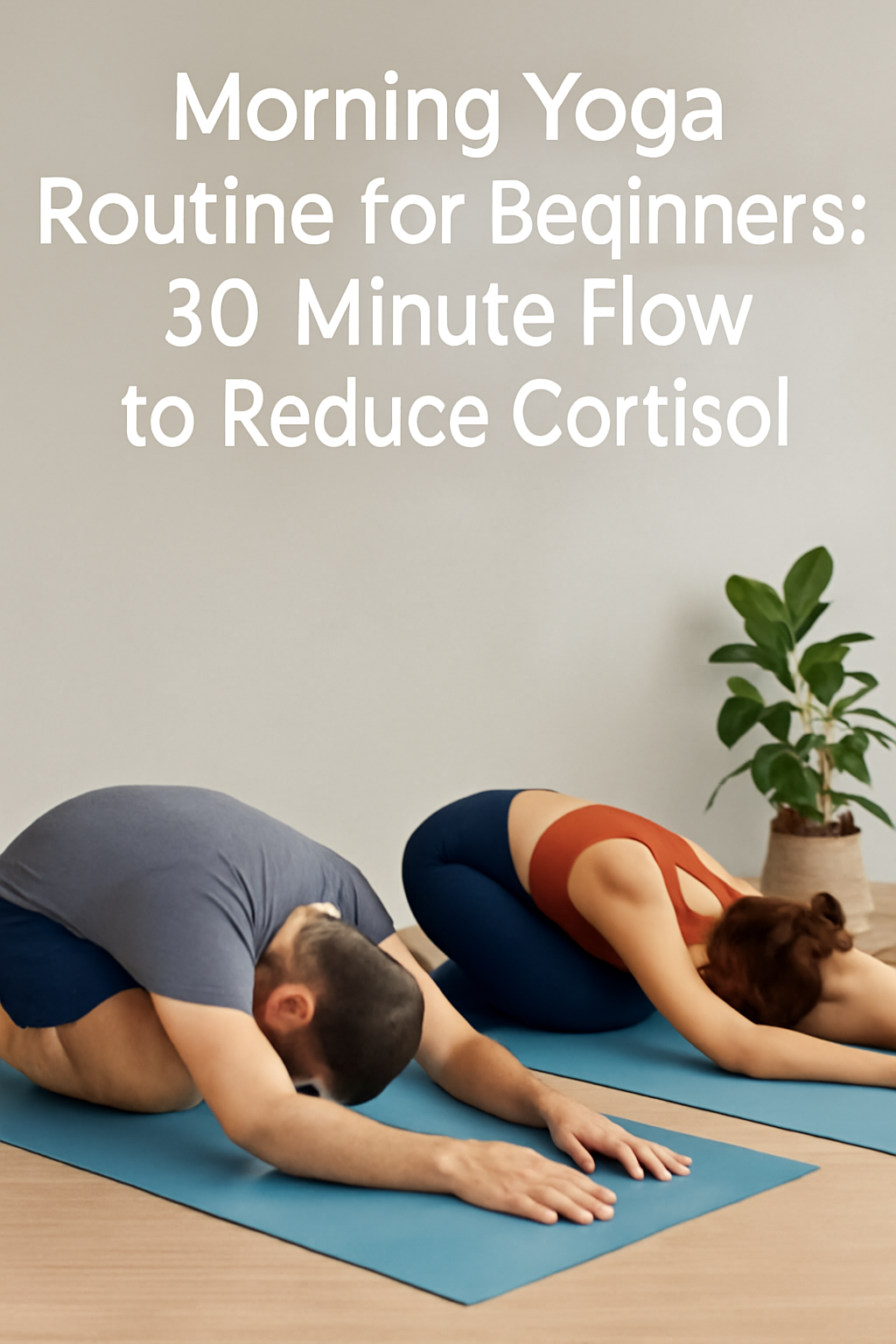
Table of Contents
Morning yoga is a powerful tool to kickstart your day, especially when practiced in alignment with your body’s natural circadian rhythm. By engaging in a gentle yoga flow, beginners can reduce cortisol levels, activate the spine, and enhance overall flexibility. This 30-minute morning routine is specifically designed to help regulate the body’s stress response and improve your adrenal health through mindful movement and deep breathing.
Focusing on poses that stimulate the vagus nerve, this sequence aims to balance energy levels and reduce stress. Whether you’re new to yoga or looking for a gentle way to ease into your day, this routine will set a calming tone and improve flexibility while promoting adrenal balance. By incorporating breathing cues, modifications for tight hamstrings, and key poses, you’ll create a foundation for a more balanced morning.
Why Morning Yoga Matters: The Science Behind Cortisol and the Adrenals
Cortisol, often referred to as the “stress hormone,” follows a natural rhythm throughout the day. It peaks in the early morning to help us wake up, and gradually decreases as the day progresses. However, chronic stress and misaligned routines can cause an excess of cortisol, negatively impacting adrenal health and leading to symptoms like fatigue, anxiety, and difficulty sleeping.
Yoga, particularly gentle movements and stretches in the morning, helps regulate cortisol production by stimulating the vagus nerve and reducing stress. A mindful yoga practice is not only beneficial for mental clarity but also enhances physical health, particularly the spine, flexibility, and overall energy flow. The poses selected in this routine specifically support adrenal function and encourage a balanced, calm start to the day.
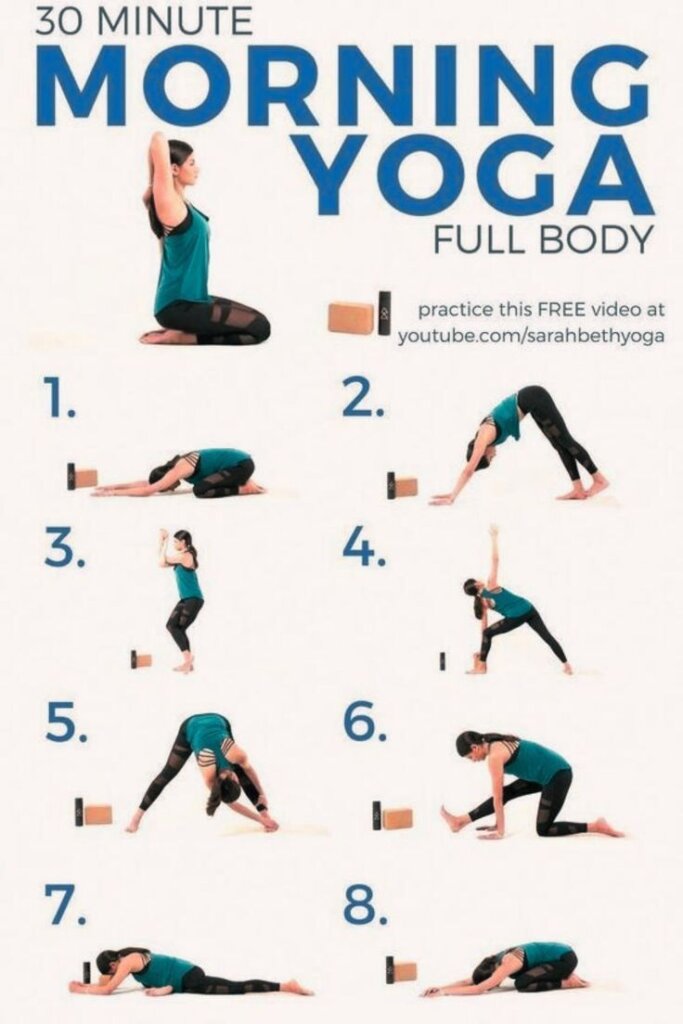
30-Minute Beginner Yoga Routine for Cortisol Regulation
Warm-Up (5 Minutes)
- Seated Breath Awareness (1 Minute)
- Sit cross-legged, spine tall. Close your eyes and focus on slow, deep inhales through your nose and exhales through your mouth.
- Breath-sync cue: Inhale for 4 counts, exhale for 4 counts. Continue for 1 minute.
- Benefit: This calming practice activates the parasympathetic nervous system, reducing cortisol levels.
- Gentle Spinal Twists (2 Minutes)
- Sit upright and inhale to lengthen your spine. On your exhale, twist to the right, placing your left hand on your right knee and your right hand behind you for support. Hold for 3 breaths, then switch sides.
- Modification for tight hamstrings: Keep your legs extended out in front of you for a modified seated twist.
- Benefit: Spinal twists gently activate the spine, improving flexibility and reducing tension.
- Cat-Cow Flow (2 Minutes)
- Start in a tabletop position, hands under shoulders and knees under hips. Inhale, arch your back into cow pose, and exhale, round your spine into cat pose.
- Breath-sync cue: Move with your breath, linking each movement with an inhale or exhale.
- Benefit: This flow gently warms up the spine, activating the nervous system and increasing circulation.
Main Flow (20 Minutes)
Modified Sun Salutation A (5 Minutes)
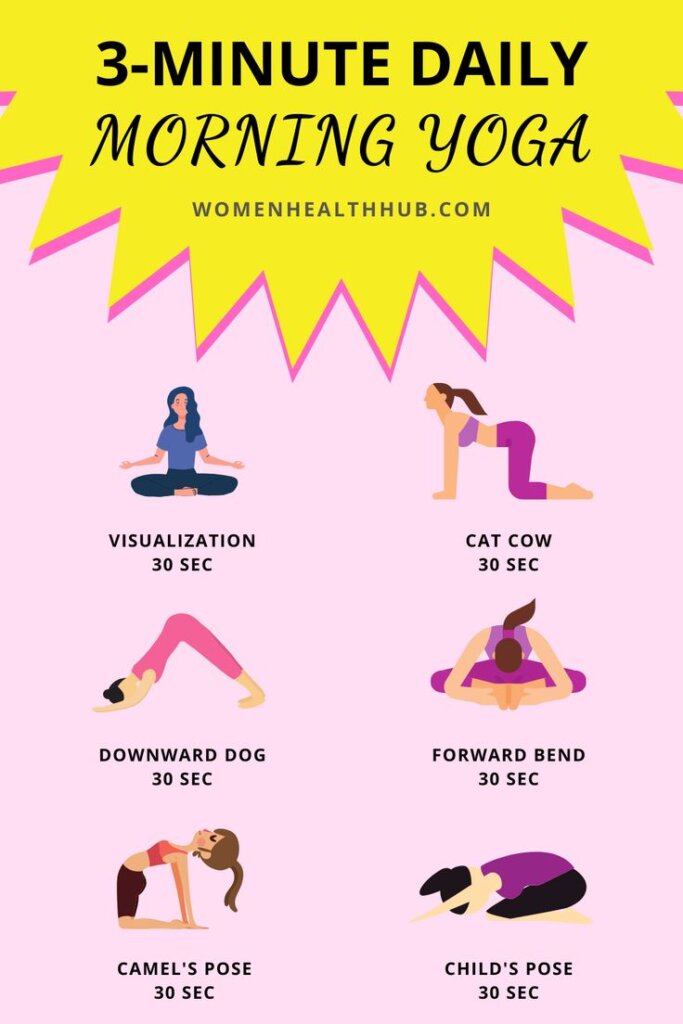
- Start in mountain pose (Tadasana). Inhale, reach your arms overhead, and exhale, fold forward into a forward bend. Inhale to halfway lift, then exhale, step back into plank pose. Lower down to the mat, inhale into cobra or upward dog, and exhale, press back into down dog.
- Modification for tight hamstrings: Bend the knees in forward fold and downward dog to protect the hamstrings.
- Benefit: This foundational sequence promotes flexibility, spinal activation, and energizes the body.
Low Lunge (Anjaneyasana) (3 Minutes)
- From down dog, step your right foot between your hands into a low lunge. Inhale, lift your torso up, reaching your arms overhead. Hold for 3-5 breaths, and then switch sides.
- Breath-sync cue: Breathe deeply into your chest to open the heart and relieve tension in the hips.
- Benefit: Opens the hips, stretches the hamstrings, and enhances blood flow to the legs, balancing the adrenal glands.
Cobra Pose (Bhujangasana) (2 Minutes)
- Lie on your stomach with hands placed under your shoulders. Inhale to lift your chest off the mat, keeping your elbows bent and close to your sides. Hold for 3-5 breaths.
- Benefit: Strengthens the back muscles and stimulates the vagus nerve, aiding in cortisol regulation.
Child’s Pose (Balasana) (2 Minutes)
- From the tabletop, lower your hips back to your heels, stretching your arms out in front and resting your forehead on the mat. Hold for 3-5 breaths.
- Breath-sync cue: Allow your exhale to deepen as you relax further into the stretch.
- Benefit: This resting pose calms the nervous system and helps to restore balance.
Bridge Pose (Setu Bandhasana) (3 Minutes)
- Lie on your back with your knees bent and feet flat on the floor. Press your feet into the ground as you lift your hips toward the sky, clasping your hands underneath your back.
- Modification: Place a block under your sacrum for more support.
- Benefit: Opens the chest, strengthens the back, and reduces stress by stimulating the vagus nerve.
Seated Forward Fold (Paschimottanasana) (3 Minutes)
- Sit with your legs extended straight in front of you. Inhale to lengthen the spine, and exhale to fold forward, reaching for your feet.
- Modification for tight hamstrings: Keep a slight bend in your knees.
- Breath-sync cue: With each inhale, lengthen the spine; with each exhale, fold deeper.
- Benefit: This pose stretches the hamstrings and relieves tension in the lower back, aiding in flexibility.
Cool-Down (5 Minutes)
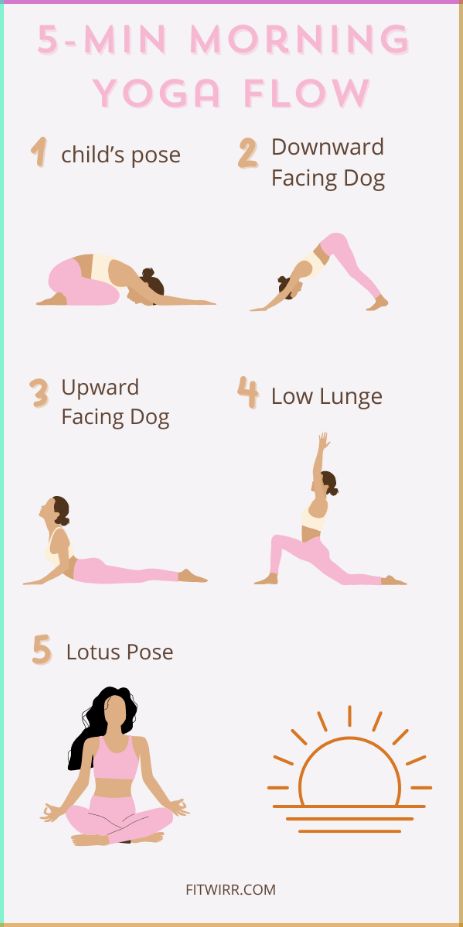
Legs Up the Wall Pose (Viparita Karani) (3 Minutes)
- Sit with one hip against a wall and gently swing your legs up, resting them against the wall while lying back on the floor. Relax your arms at your sides and breathe deeply.
- Benefit: This restorative pose improves circulation, calms the nervous system, and reduces stress.
Savasana (Corpse Pose) (2 Minutes)
- Lie flat on your back, arms extended by your sides, palms facing up. Close your eyes and let go of any tension in your body. Focus on your breath and allow your body to relax completely.
- Benefit: Deep relaxation that calms the body, rebalances cortisol levels, and improves mental clarity.
Key Poses for Adrenal Balance
- Cobra Pose (Bhujangasana): Opens the chest and stimulates the vagus nerve to promote a sense of calm.
- Low Lunge (Anjaneyasana): Helps activate the legs and hips, reducing tension and improving circulation.
- Bridge Pose (Setu Bandhasana): Strengthens the back and stimulates the adrenal glands for better energy balance.
Post-Session Hydration Tips
After your morning yoga session, it’s important to hydrate to support your body’s recovery and replenish lost fluids. Try a glass of water with a pinch of Himalayan salt or a herbal tea to further support hydration. Drinking water can help flush out toxins and rehydrate the body, supporting the balance you’ve achieved through yoga.
People Also Ask:
- What are the best yoga poses for reducing cortisol?
- Poses like Cobra, Child’s Pose, and Bridge are excellent for reducing cortisol by stimulating the vagus nerve and promoting relaxation.
- How can beginners start a yoga routine in the morning?
- Start with gentle movements like seated breathing and spinal twists, then progress to sun salutations and simple stretches to improve flexibility.
- What time of day is best for yoga to lower cortisol?
- Morning is ideal for yoga as it aligns with the body’s natural cortisol peaks, helping to reduce stress and energize the body for the day.
- Can yoga help with adrenal fatigue?
- Yes, yoga helps restore balance to the adrenal glands by reducing cortisol levels and improving overall relaxation.
- How can I modify poses for tight hamstrings in yoga?
- You can modify poses like forward folds and lunges by bending the knees slightly or using props like blocks to support your flexibility.
Conclusion
This 30-minute beginner yoga routine is a powerful way to align your body with its natural circadian rhythm, reduce cortisol, and activate the spine. By incorporating deep breathing, mindful movements, and modifications for tight hamstrings, you can promote adrenal balance and set a calming tone for your day. Don’t forget to hydrate post-session to enhance the benefits of your practice. Embrace this gentle yet powerful routine, and experience the positive changes in your flexibility, energy, and overall well-being.
Ready to reduce stress and increase flexibility? Start your morning with this beginner-friendly yoga routine, and feel the difference!
M. Saim Akhtar
Certified Health Content Specialist at HealthBoostMax. INFS-qualified nutrition researcher with 5+ years of evidence-based health writing. Focus areas: health wellness Information, preventive medicine, nutritional biochemistry, and fitness science.
Fitness & Exercise
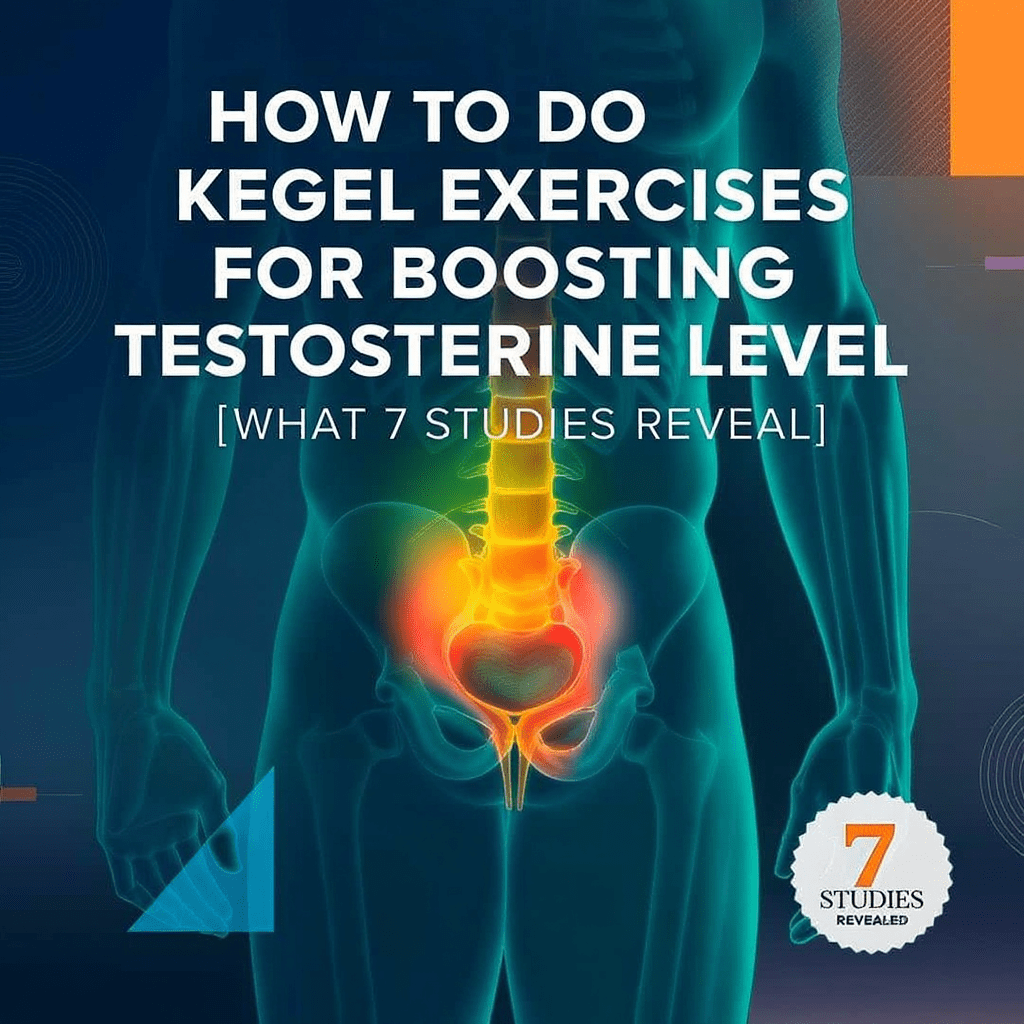
How to do Kegel Exercises for Boosting Testosterone level | What 7 Studies Reveal
Main Key Points
Boosting testosterone levels naturally is a topic of growing interest among men seeking to optimize their health and performance. While strength training and diet are widely acknowledged methods, Kegel exercises—the targeted training of pelvic floor muscles—present a lesser-known yet scientifically backed approach to enhancing hormonal balance. Though traditionally linked to improved erection quality, emerging research suggests that Kegels may also increase testosterone production by strengthening the connection between pelvic floor muscles and free testosterone.
This article dives deep into the science, shares a step-by-step Kegel protocol, debunks myths around their usage, and explores complementary biohacks to maximize their impact. By the time you finish reading, you’ll gain unique insights into incorporating Kegels into your testosterone-boosting regimen.
Kegels & Boosting Testosterone: What 7 Studies Reveal
Studies exploring the relationship between pelvic floor muscle training and testosterone reveal promising results. These insights bridge the gap between targeted exercise and endocrine health.
1. Pelvic Floor Muscle Strength and Androgen Production
A study found that stronger pelvic floor muscles positively affect Leydig cell function in the testes. These cells are responsible for producing testosterone. The underlying mechanism lies in increased blood flow and neuromuscular activation in the pelvic region.
2. Kegels and Luteinizing Hormone (LH)
Research suggests that pulsed Kegel contractions may indirectly up-regulate luteinizing hormone (LH) secretion, a key driver of testosterone synthesis. LH activates the Leydig cells, leading to more efficient androgen production.
3. Reverse Kegels and Cortisol Reduction
Reverse Kegels, which involve controlled relaxation of pelvic muscles, are linked to lowering cortisol, the stress hormone that inhibits testosterone. Studies highlight a direct correlation between stress mitigation and rising testosterone levels.
4. Blood Circulation and Hormonal Health
Enhanced circulation from consistent Kegel exercises improves oxygen delivery and metabolite clearance in the testes, a factor crucial for maintaining high testosterone levels.
5. Prostate Health
Pelvic floor strengthening improves prostate health, which is vital for androgen balance. Studies suggest that a healthy prostate enables consistent testosterone synthesis and reduces DHT-related complications.
6. Comparisons with Compound Movements
While deadlifts and squats are often considered the gold standard for testosterone responses, Kegels specifically target the pelvic floor. For men with less time for full-body workouts, this focused intervention offers a viable alternative.
7. Synergy with Biohacking Strategies
Combining Kegels with other natural supplements and techniques, such as Tribulus terrestris, shows enhanced results in boosting LH and testosterone levels.
By exploring these studies, we see that Kegel exercises contribute far more than just improved pelvic floor function. They’re a key player in natural hormone optimization.
The 5-Second Testosterone Kegel Protocol
To make the most of Kegel exercises for testosterone, follow this simple yet highly effective routine.
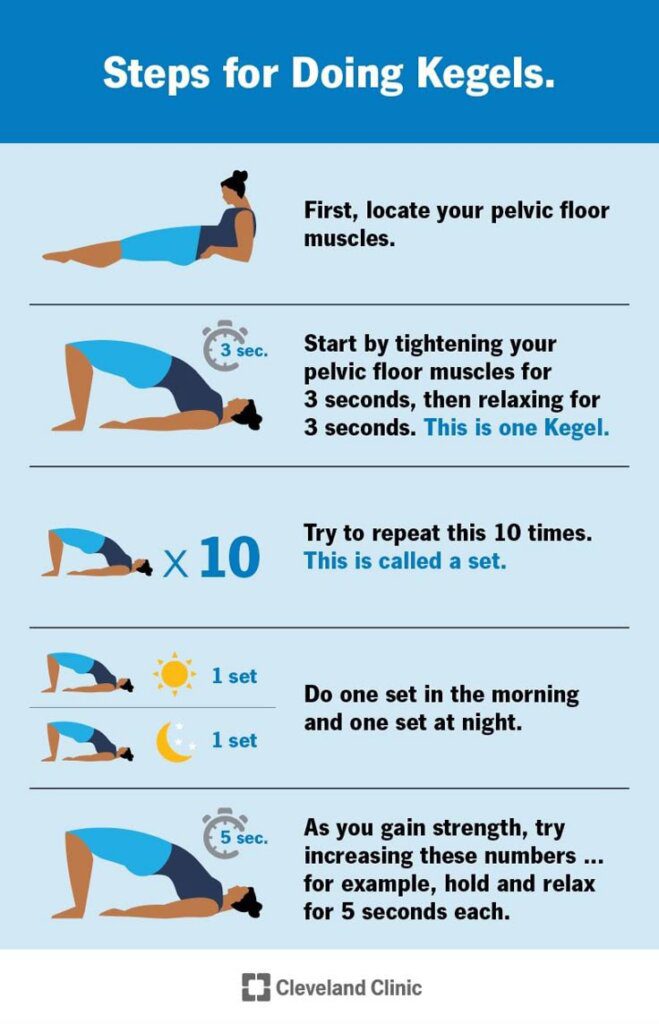
Step-by-Step Routine
- Find the Right Muscles
Identify your pelvic floor muscles by stopping urine flow midstream or tightening the muscles that prevent flatulence. These are the muscles you’ll engage during Kegels.
- The Basic 5-Second Contraction
-
- Contract the pelvic floor muscles tightly for 5 seconds.
- Release and relax for 5 seconds.
- Perform 10-15 reps for one set.
- Pulsed Contractions for LH Secretion
-
- Perform rapid contractions (tighten and relax in 1-second intervals).
- Continue for 30 seconds, then pause for a 10-second rest.
- Repeat 3 cycles.
- Reverse Kegels
-
- Focus on gentle relaxation of the pelvic floor. Imagine pushing out slightly as if urinating or bearing down gently.
- Hold the relaxation for 5 seconds and repeat 10 times.
- Create a Schedule
-
- Start with two sessions per day (morning and evening). Gradually increase intensity as your muscles strengthen.
This balanced protocol addresses both contraction and relaxation, ensuring testosterone-boosting benefits while avoiding overtraining
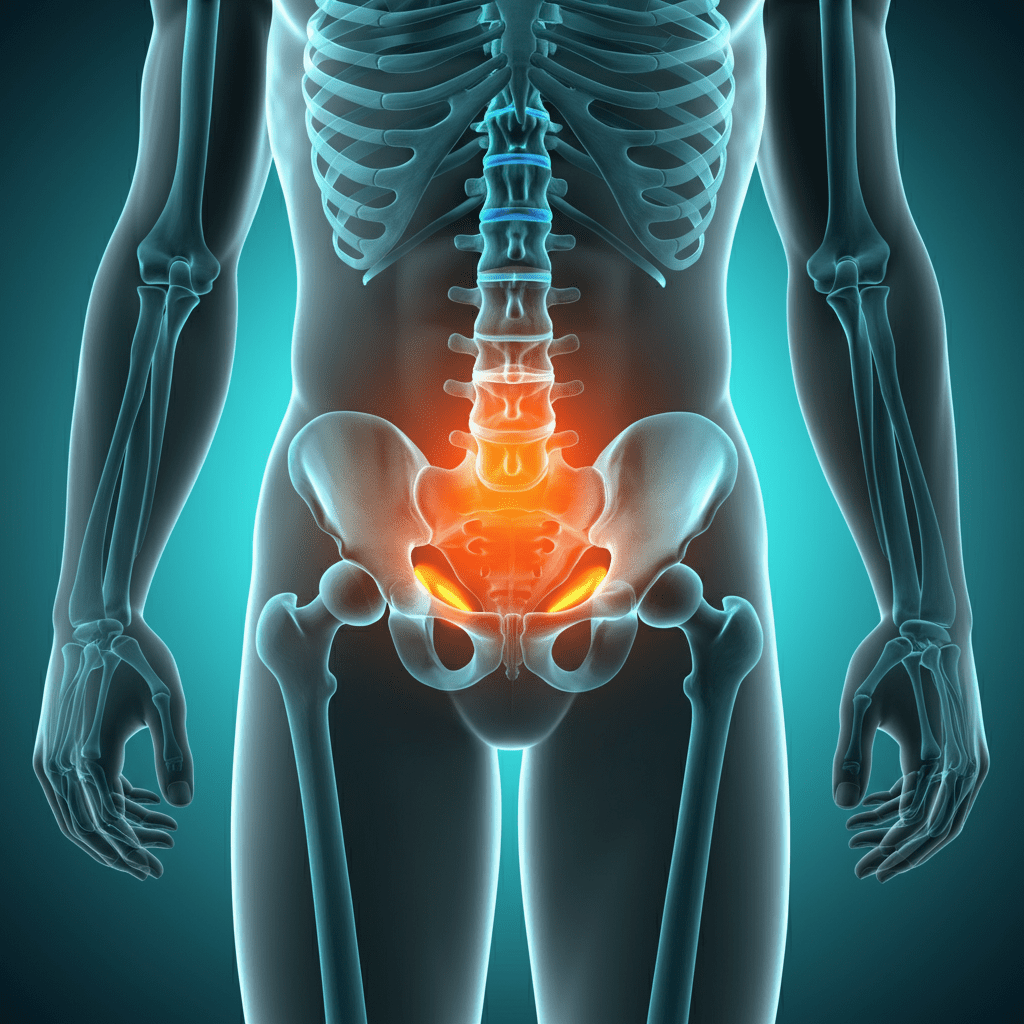
Why Most Men Do Kegels Wrong for Hormones
Kegels are often misunderstood or improperly executed, which can hinder their benefits—especially hormonal ones. Here are common mistakes to avoid:
- Overtraining
Excessive Kegels can cause chronic pelvic tension, leading to decreased blood flow and even testosterone suppression. Stick to the recommended routine.
- Neglecting Reverse Kegels
Exclusively focusing on contractions without incorporating relaxation exercises risks imbalances, which may increase cortisol levels.
- Relying on Them Alone
While effective, Kegels may not be sufficient if not paired with a healthy lifestyle, including resistance training, proper nutrition, and stress management.
- Improper Form
Engaging surrounding muscles (like glutes or abs) instead of isolating the pelvic floor minimizes the effectiveness of Kegels.
Avoiding these errors ensures you’ll get the full hormonal benefits.
Biohacking Combos for Maximum Results
Maximize your testosterone-boosting gains by combining Kegels with these powerful biohacks:
1. Cold Exposure
Post-workout cold showers help regulate cortisol and support a testosterone-friendly environment.
2. Zinc Supplementation
Zinc aids in maintaining healthy testosterone levels and enhances the effects of pelvic floor strengthening on androgen production.
3. Tribulus Terrestris
This herbal supplement complements Kegels by stimulating LH and boosting testosterone.
4. Anterior Pelvic Tilt Correction
Improving pelvic alignment through stretches and posture correction prevents tension that could hinder Kegel effectiveness.
Together, these techniques create a holistic approach to hormonal optimization.
Alternatives for Erectile vs. Hormonal Goals
Not all men pursue Kegels for the same reasons. If your focus is erectile health or general hormonal benefits, consider these distinctions:
For Erectile Health
-
- Focus on regular Kegels, with a slight emphasis on reverse Kegels for relaxation.
- Combine with cardiovascular exercises to improve circulation.
For Hormonal Balance
-
- Pair Kegels with resistance training, like deadlifts. Compound lifts elevate testosterone by engaging large muscle groups.
Understanding your goals allows you to tailor your exercise and bio-hacking strategies effectively.
Additional Tips for Success
- Consistency is Key: Like any other exercise, consistency is crucial to see tangible results. Aim to perform your Kegels and other supporting exercises daily or on a regular schedule.
- Mind-Muscle Connection: Focus on proper form and fully engaging the correct muscles during each repetition. Avoid compensating with surrounding muscles like the glutes or thighs.
- Track Your Progress: Keep a journal of your exercise routines and any noticeable improvements in strength, hormonal balance, or overall health. Tracking progress can help you stay motivated and refine your approach if needed.
- Combine with a Healthy Lifestyle: Pair your exercise regimen with a balanced diet, stress management techniques, and adequate sleep to maximize results.
By integrating these tips into your routine, you can enhance not only your physical performance but also your overall well-being.
People also ask
Do kegels boost men testosterone?
It is true, Kegels can possibly boost testosterone given the argument that they increase the strength of pelvic muscles and blood circulation.
What are the Reverse Kegels and what do they do to help cortisol?
The reverse Kegels consists of relaxing pelvic muscles, which can reduce the cortisol level and, therefore, contribute to the enhancement of the testosterone.
What is the time frame of the results of Kegel exercises?
With the regular practice, noticeable effects on force and hormonal equilibrium may be observed within 4-6 weeks.
Which is more effective, Kegels or deadlifts when it comes to testosterone?
These kinds of exercises are different and have different advantages, as Kegels train the pelvic floor and deadlifts train the large muscles to enhance a systemic hormone boost.
Does overtraining Kegel reduce testosterone?
Yes, over training may have an adverse effect causing pelvic tension and cortisol to rise which affects the level of testosterone.
Conclusion
Kegels are a surprisingly versatile tool for boosting testosterone levels naturally. By strengthening pelvic floor muscles, improving blood flow, and optimizing hormonal pathways, they offer benefits far beyond what’s traditionally assumed. Incorporating the 5-Second Testosterone Kegel Protocol, avoiding overtraining, and combining exercises with bio-hacking techniques can amplify results. Whether you’re focused on hormone optimization or erectile health, this practical yet science-backed solution deserves a place in your regimen.
Consistency is key when it comes to seeing the full benefits of the protocol. Start by integrating the routine into your daily schedule, ensuring you dedicate a few minutes each day to practicing the exercises. Over time, this commitment can lead to noticeable improvements in energy levels, physical performance, and overall vitality. Additionally, pairing the protocol with a balanced diet rich in essential nutrients such as zinc, magnesium, and vitamin D can further support hormonal health. Staying hydrated and prioritizing quality sleep are also crucial factors that can complement the effects of the exercises, creating a holistic approach to boosting testosterone naturally.
Start incorporating these strategies into your routine and take charge of your hormonal health naturally!
M. Saim Akhtar
Certified Health Content Specialist at HealthBoostMax. INFS-qualified nutrition researcher with 5+ years of evidence-based health writing. Focus areas: health wellness Information, preventive medicine, nutritional biochemistry, and fitness science.

Key Points
If you don’t think it’s possible to lose weight quickly and sustainably, reconsider. There is no reason to starve oneself on extraordinary diets and work out at the gym to lose weight fast. By using science-based strategies such as metabolic priming, NEAT boosting, and carb cycling, you will experience the results within one week. You will not only lose weight, but you will also retain muscle and improve your health at the same time. A 7-day rapid fat loss plan will help you concentrate on healthy habits that are easily sustainable, the foods that suppress your hunger, and the efficient workout you can perform at home. We will also gather popular pitfalls that should be avoided to make a complete revolution in your attitude toward fat burning, without spoiling all the rest.
You will learn how to best use your nutrition and practices, as well as overcome some stumbling blocks, such as water retention and metabolic damage. This plan covers your concerns about muscle retention and optimizing thyroid health. Use this guideline to initiate weight loss and boost your confidence.
7-Day Plan for Quick Results
Day 1-2: Metabolic Priming
- Focus: Kickstart your metabolism.
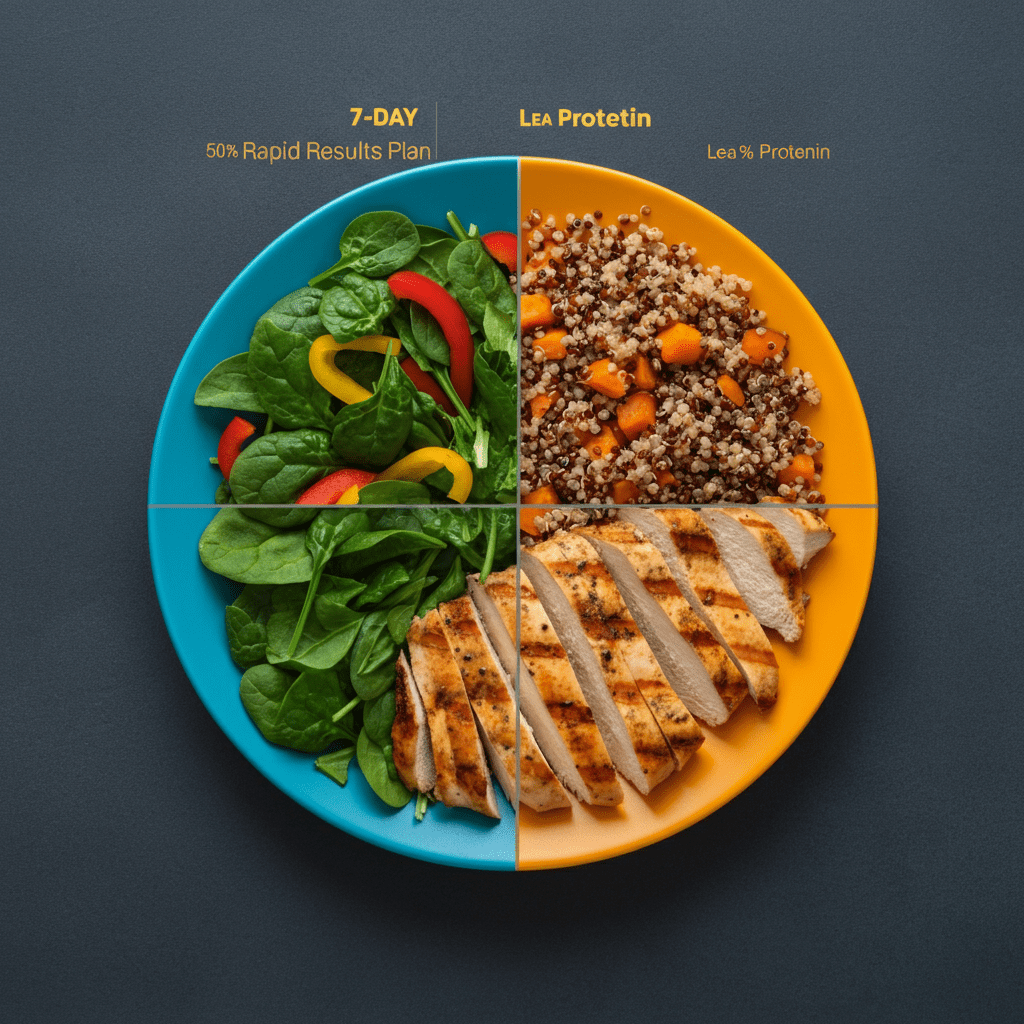
- Portion Hack: Divide your plate—50% vegetables, 25% lean protein, and 25% healthy carbs (quinoa, sweet potato, or brown rice).
- Hunger-Curbing Foods: Start your day with protein-rich breakfasts like eggs or Greek yogurt to stabilize blood sugar levels.
- Activity Tip: Maximize NEAT (Non-Exercise Activity Thermogenesis) by walking 10,000 steps daily and incorporating small movements like stretching or pacing while on calls.
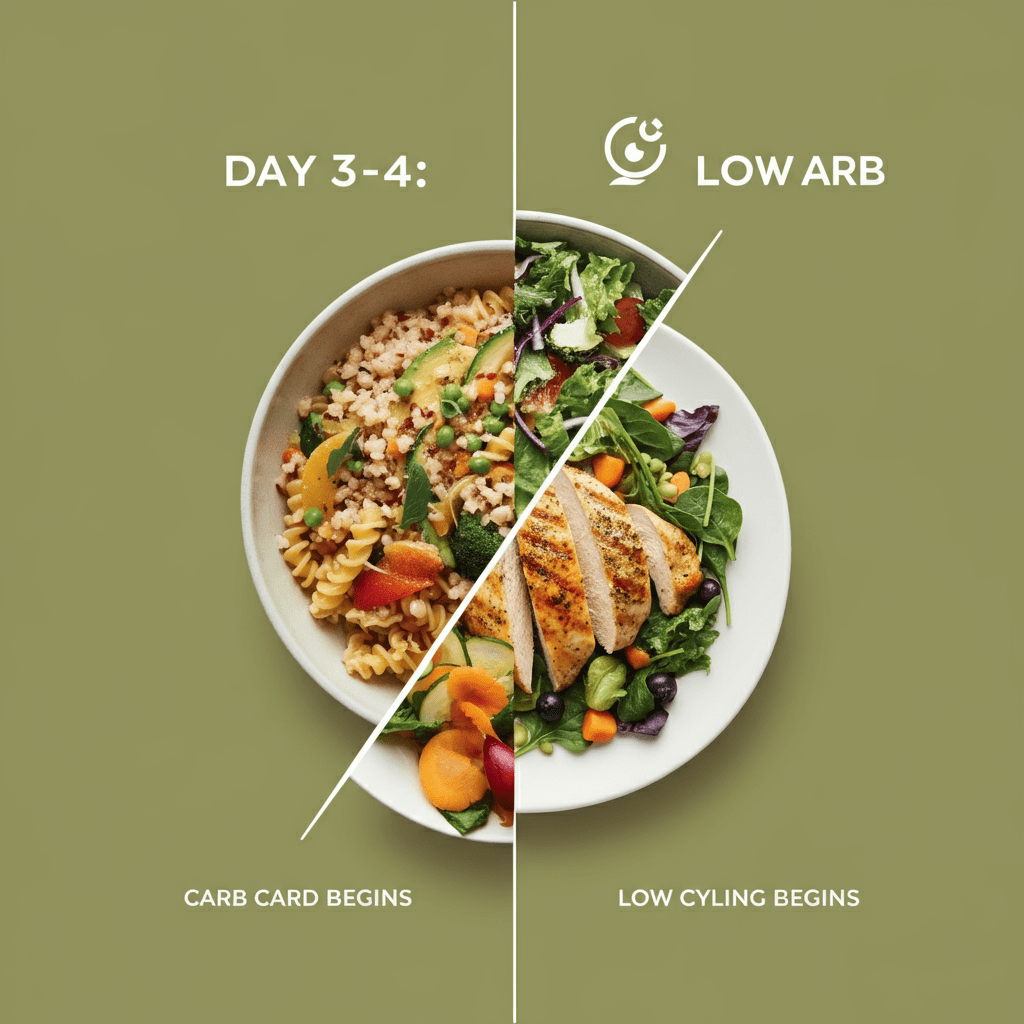
Day 3-4: Carb Cycling Begins
- Focus: Enhance fat burn while maintaining energy.
- Strategy:
- Alternate high-carb and low-carb days. For example, eat starchy carbs post-workout on high-carb days, and focus on veggies and protein on low-carb days.
- Workout:
- Try low-impact HIIT workouts (e.g., brisk walking with short sprints) to boost calorie burn without stressing joints.
Day 5-6: Boost Protein and Hydration
- Focus: Minimize water retention and support muscle retention.
- Hacks:
- Sip lemon water throughout the day to reduce bloating.
- Increase protein consumption with lean chicken, turkey, and plant-based options like tofu or lentils.
- Activity:
- Introduce bodyweight strength exercises like planks, push-ups, or squats for 15-20 minutes.
Day 7: Recovery and Reflection
- Focus: Allow your body to recover and consolidate progress.
- Tips:
- Make sleep optimization a priority; to control hunger hormones, strive for 7-9 hours.
- Use this day to reassess portion sizes and maintain an active recovery, like a long walk or yoga session.
By structuring your week this way, you can stay energized and consistently shed fat without feeling deprived or overtired.
5 Fat Loss Hacks Doctors Use
1. Prioritize Insulin Sensitivity
Eating balanced meals with fiber, protein, and healthy fats can improve how your body handles blood sugar. This reduces fat storage, especially around the midsection.
2. Understand the Fat-Adaptation Timeline
If you’re transitioning to low-carb or keto eating, remember that your body needs 3-7 days to adapt to burning fat for fuel. Stay patient during this metabolic shift.
3. Sleep Optimization
Poor sleep disrupts hormones like leptin and ghrelin, which control hunger and fat storage. Aim to maintain consistent bedtimes and avoid screens before sleeping.
4. Manage Thyroid Health
Include thyroid-friendly foods like seaweed (iodine-rich) and Brazil nuts (a great source of selenium) to support healthy thyroid function while losing weight.
5. Practice Metabolic Recovery
If you’ve followed restrictive diets before, add a “re-feed” meal once a week. Gradually increase calorie intake with nutrient-dense foods to repair metabolic damage.
These doctor-approved techniques can make a significant difference in achieving sustainable fat loss.
6. Incorporate Strength Training
Building lean muscle through strength training can boost your resting metabolic rate, helping you burn more calories even when at rest. Try to work out your main muscle groups two or three times a week.

Why You’re Not Losing Weight (Fix These)
1. Overlooking Hidden Water Retention
High sodium intake, stress, or premenstrual bloating can mask fat loss on the scale. Combat this with potassium-rich foods like bananas or spinach.
2. Ignoring Exercise Variety
Working out the same way over and over again might cause plateaus. Alternate between yoga, swimming, or other exercises that work different muscle areas, or include low-impact HIIT.
3. Overtraining Without Rest
Too much exercise without adequate recovery can cause cortisol spikes, leading to fat storage. Always balance active days with rest or low-intensity activities.
4. Skipping Nutrition Adjustments
Failing to adjust portions or macros as your weight changes may slow progress. Reassess your needs weekly and make incremental updates.
5. Focusing on Rapid Fat Loss Without Sustainability
Short-term fixes without planning for maintenance often result in weight regain. Focus on building long-term habits alongside rapid results. Address these common barriers to push through stagnation and achieve your goals faster.
Before-After Metrics
Tracking your progress is key to understanding what works for your body. Here’s how to do it right:
- Body Fat Percentage:
- Use calipers or smart scales weekly to measure fat loss vs. muscle retention.
- Water Weight:
- Monitor fluctuations using a scale at the same time daily (morning is best). Look for patterns rather than focusing on day-to-day changes.
- Muscle Retention:
- Gauge strength improvement by tracking reps and load over time for bodyweight or weighted exercises.
- Measurements:
- Take waist, hip, and thigh measurements, as inches lost may happen before the scale shows results.
These objective markers give you a clearer picture of how your efforts are paying off.
Mistakes to Avoid for Sustainable Weight Lose
Avoid these pitfalls to stay on track:
- Over-Restriction:
- Extremely low-calorie diets slow your metabolism and make fat loss harder. Stick to a moderate caloric deficit.
- Neglecting Thyroid Health:
- Low iodine or selenium intake can impair thyroid function, hindering fat burn.
- Skipping Recovery:
- Overworking your body leads to exhaustion and reduces workout effectiveness. Factor in rest days and prioritize quality sleep.
- Relying on Fad Diets:
- Avoid extreme plans like juice cleanses or unbalanced meal plans. They rarely provide the nutrients needed for sustainable health.
You may prevent setbacks and achieve steady growth by being aware of and avoiding these errors.
Tips for Optimizing Your Health Journey
To maximize your health and fitness efforts, consider implementing these strategies:
- Prioritize Balanced Nutrition:
- Focus on consuming a variety of whole foods, including lean proteins, healthy fats, and complex carbohydrates. Incorporate colorful fruits and vegetables for essential vitamins and minerals.
- Stay Consistent with Exercise:
- To keep motivated, choose things you enjoy doing, like yoga, running, or strength training. The finest benefits can be obtained by combining resistance and cardio training.
- Hydrate Adequately:
- Drinking enough water is crucial for overall health. Proper hydration supports digestion, energy levels, and joint health.
- Set Realistic Goals:
- Establish specific, measurable, and achievable objectives. Breaking down larger goals into smaller milestones can help maintain motivation and track progress.
- Listen to Your Body:
- Pay attention to signs of fatigue or stress, and adjust your routine as needed. Recovery is just as important as effort to ensure long-term success.
By adopting these tips and staying consistent, you’ll be better equipped to achieve a healthier and more sustainable lifestyle.
FAQs (PPA)
What are probable fitness targets to newcomers?
Conditioning Example: A realistic fitness goal during the early stages of the exercise routine could be; exercising 3 times per week, walking a certain amount of steps per day, or getting more flexible. Take baby steps and monitor the progress in the long run.
What can I do to keep me motivated to have a healthy lifestyle?
Maintaining motivation can involve setting achievable goals, perhaps celebrating small victories, finding a workout partner, or keeping a notebook to document your progress.
Why is it important to pay attention to your body when exercising? Being receptive to your body allows you to avoid overtraining, lower the chances of injury and encourage the healing process, which is a key element in the long-term consistency of fitness habits.
What is the advantage of setting up small milestones in a longer goal?
Setting a whole goal in mini objectives breaks the big goal and makes it look smaller, easier to focus, and it gives the feeling of accomplishment at every milestone.
What are the effects of recovery on the general progress of fitness?
Recovery enables muscles to heal, decreases fatigue, and makes the body accustomed to exercise to have greater performance and sustainability.
How can one measure fitness? Monitoring fitness improvement can be done with the help of apps, by keeping a fitness diary, or by evaluating the performance at regular periods of time on a measurement scale such as weight, endurance or strength.
Conclusion
With a combination of science and sound strategy, it is actually possible to change your body within seven days. Fat loss can be achieved by paying attention to metabolic priming, controlled portion meals, carb cycling, and appropriate recovery to shed off stubborn fat and maintain muscle mass. Keeping yourself on track through specific measurements keeps you on your course, and the prevention of such pitfalls ensures success in the long run.
This is the moment to pledge wiser commitments and an environmentally sound strategy to shedding fat. Become fitter, slimmer and more confident within a week! Sign up your 7-day plan and reinvent what is possible of your health.
M. Saim Akhtar
Certified Health Content Specialist at HealthBoostMax. INFS-qualified nutrition researcher with 5+ years of evidence-based health writing. Focus areas: health wellness Information, preventive medicine, nutritional biochemistry, and fitness science.

Table of Contents
Muscle building does not just mean weight lifting, but it is all about what you put into your body to grow and recover. Knowing how to arrange macros, complement the diet with testosterone-stimulating food, and eat at the right times helps men who strive to increase lean sinew. This guide will help debunk how to make a 3,000-calorie muscle gaining meal plan with the expertise of split macros, the effect of alcohol, and even meal strategies for night and shift workers.
Our article can be useful not only to people who have been going to the gym more than once, but also to newcomers who are at the entrance of their muscle-building adventure. We will go over all the way about how to prep your cruciferous veggies to provide hormonal health to the proper use of cooking oils to increase your testosterone. It is high time to fuel your gains properly. So stay tuned, we have a plan expected to give the results out!
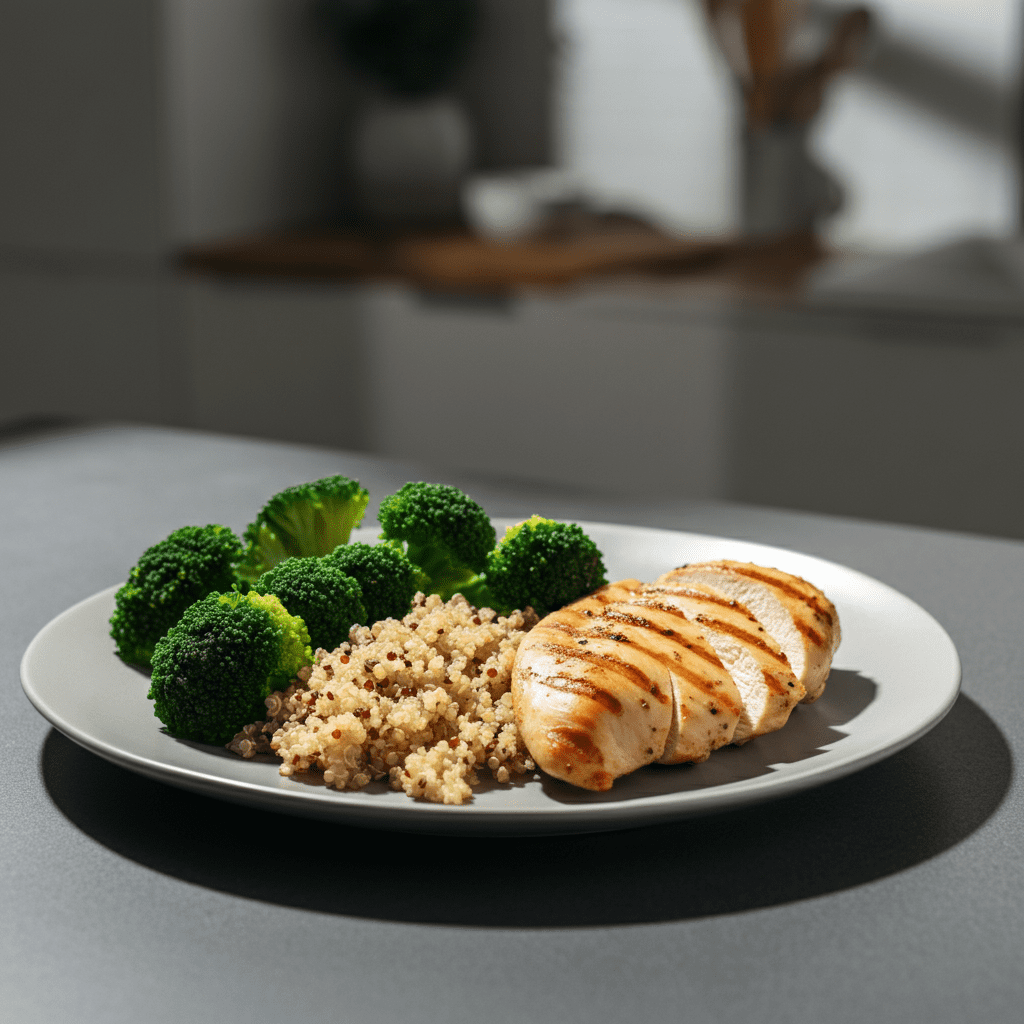
Macro Splits (40/30/30) for Muscle Building
What is the 40/30/30 Macro Split?
Based on 40/30/30 split, 4/5 of the daily calories would be used in carbs, 3/5 on protein and 3/5 on fats. This moderate practice provides sufficient amount of carbs as a source of energy, protein to replenish and develop muscles, and fats to promote a hormone level.
Why 40/30/30 Works for Muscle Growth
- Carbohydrates (40%) provide glycogen to fuel gym performance and muscle repair post-workout. Opt for complex carbs like oatmeal, sweet potatoes, and brown rice.
- Protein (30%) is essential for muscle recovery and hypertrophy. Include high-quality sources like chicken breasts, fish, eggs, and plant-based proteins.
- Fats (30%) support testosterone levels, brain function, and sustained energy. Include healthy fats such as avocados, nuts, seeds, and olive oil.
Sample Meal Plan
- Breakfast: 3 scrambled eggs, avocado toast on whole-grain bread, and black coffee.
- Lunch: Grilled chicken breast, quinoa, and steamed broccoli.
- Dinner: Baked salmon, roasted sweet potato, and sautéed spinach.
- Snacks: Greek yogurt with honey and walnuts, or a handful of almonds.
Testosterone-Boosting Foods
Muscle growth can be increased by consuming the foods that stimulate the production of testosterone. Important nutrients such as zinc, D vitamin and healthy fats are important with regard to ensuring the optimum levels of testosterone.
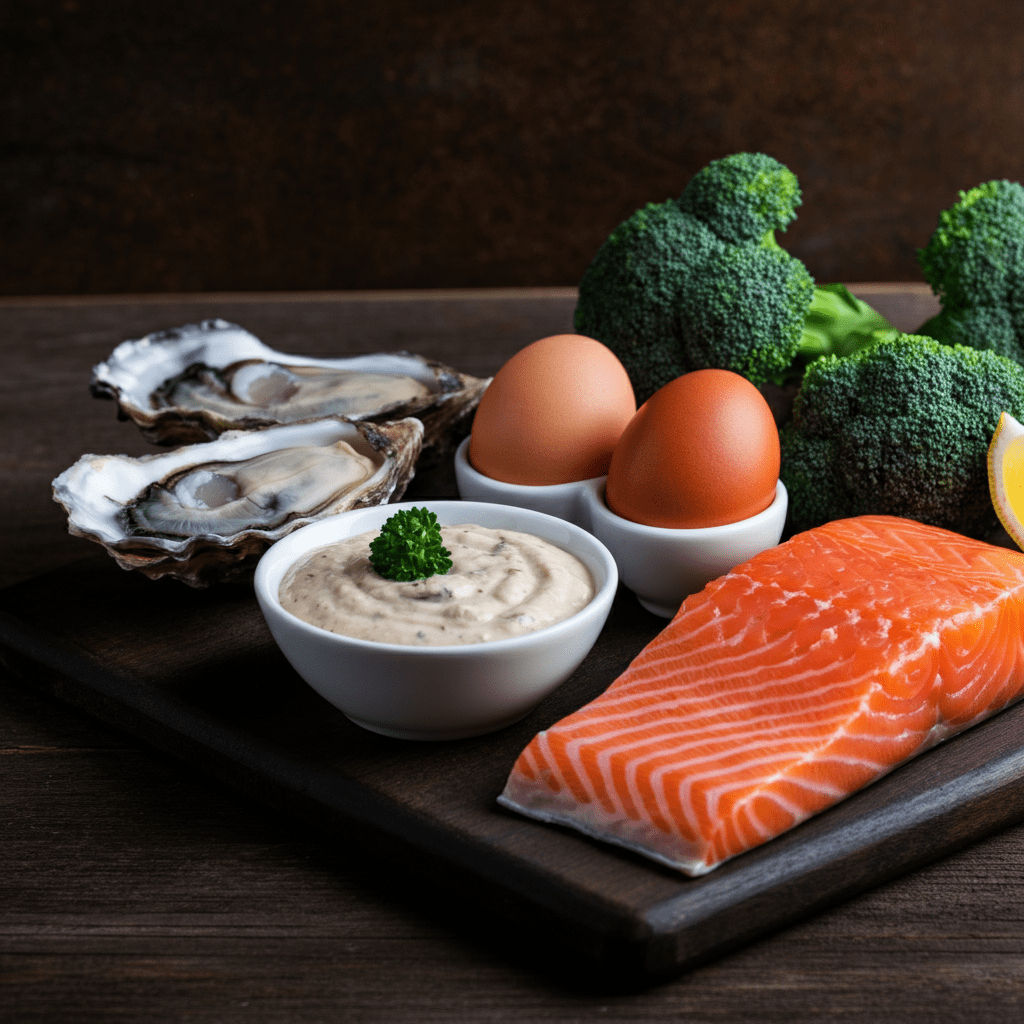
Top Testosterone-Boosting Foods
- Cruciferous Vegetables (broccoli, kale, Brussels sprouts): These help balance hormones by reducing excess estrogen.
- Zinc-Rich Options (oysters, pumpkin seeds, red meat): Zinc is crucial for testosterone production.
- Egg Yolks: Rich in vitamin D and cholesterol, which support testosterone synthesis.
- Fatty Fish (salmon, mackerel, sardines): High in omega-3 fatty acids, promoting overall hormonal health.
Pro Tip for Veggie Prep:
Steam or lightly sauté cruciferous vegetables to retain their hormone-balancing properties without diminishing nutrients.
Hydration Tips
facilitates the vital processes in the organism, including maintenance of body temperature, help in the digestive process and delivery of nutrients. Goal: consume 8-10 cups of water per day and increase depending on the amount you are active and the climate. Add some hydrating foods such as cucumbers, watermelon and oranges to supplement with your water.
Supplement Recommendations
Even though a balanced diet ought to be the primary source of the nutrients, some supplements may help to cover the deficiencies as well as increase the performance leading to the personal needs.
Multi vitamins: You need to make sure that you are taking care of all your basic micronutrient needs.
Protein Powder: It can be helpful in achieving daily protein intake particularly after exercise.
Omega-3 Fatty Acids: Omega-3 Fatty acids promote the health of the heart and mind; they are usually taken as fish Oil supplements.
Vitamin D: Helps the immunity system and bones, particularly among people who do not receive much sunlight.
Whenever you decide to include a new supplement in your routine, it is always better to talk to a healthcare expert or reputable registered dietitian.

Alcohol’s Impact on Muscle Building
Alcohol can prevent production of testosterone and muscle recovery when taken in large amounts though occasional usage is encouraged.
The influence of the Alcohol on Gains
Reduces Protein turnover: This reduces the growth and repair of your body as your body reserves more energy on detoxification.
Decreases Testosterone: Overuse of it can decrease its production that halts muscle growth.
Empty Calories added: Alcohol does not add to your nutriment but adds to your calorie content and this has a tendency of amassing fat.
Smart Decisions Making:
Do you like to take a drink? Well I suppose you would do this in moderation. Choose low-calorie food e.g. dry wine or a light beer and hydrate between servings to minimize its impact.
Meal Timing for Shift Workers
Men working irregular hours often face challenges with eating schedules, which can affect muscle-building efforts.
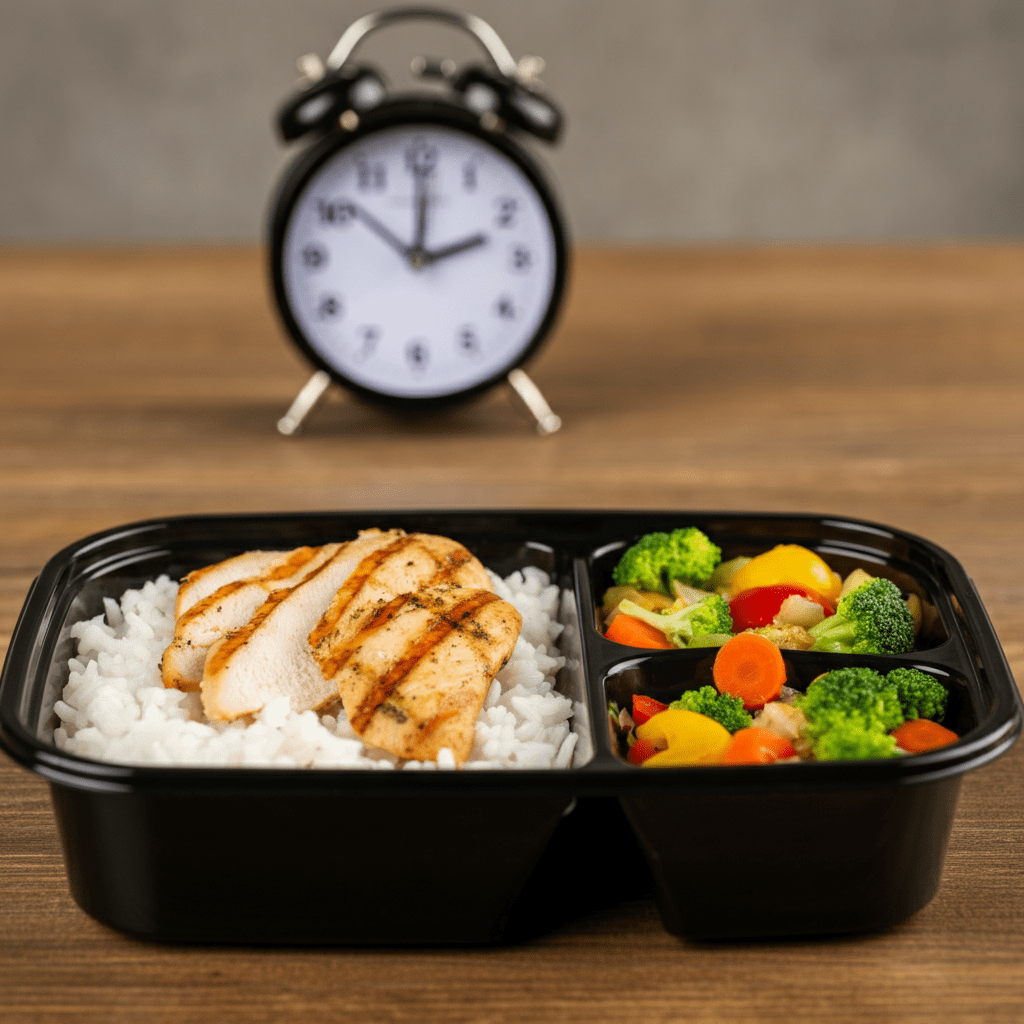
Tips for Meal Timing
Pre shift Fuel: Start with right diet of protein and complex carbohydrates so that you go through the shift.
Smart Snacking at the Workplace: Stuff snack foodstuffs that you can carry along with you like fruits, boiled eggs, protein bars or a variety of nuts.
Post-exercises Body Recovery: Add lean source of protein and a high-glycogen-burning carb to replenish the glycogen levels, which aid body and muscle recovery.
SMP Sample Shift Worker Plan:
Pre-Work: Nothing, except soft oatmeal with berries and peanut butter.
Mid shift Snack: Beef jerky or protein smoothie.
Post-Shift: Grilled turkey burger, wholegrain bun and diversion salad.
Androgenic Cooking Methods
Certain cooking techniques can help preserve nutrients important for hormone health.
Best Cooking Methods
- Grilling or broiling preserves zinc and vitamins while adding flavor.
- Steaming minimizes nutrient loss in vegetables like broccoli and kale.
- Using Healthy Oils (e.g., olive oil and avocado oil) ensures that fats contribute to testosterone production without adding harmful trans fats.
Avoid These
High-heat methods like deep frying can cause oil to reach its smoke point, generating harmful compounds that impair testosterone.
Zinc-Rich Snacks for Muscle Growth
Snacks loaded with zinc make a great addition to a muscle-building diet.
Quick Zinc-Packed Options
- Roasted pumpkin seeds
- Tuna or canned sardines on whole-grain crackers
- Dark chocolate (70% cocoa or higher)
- Almonds or cashews
Cooking Oil Smoke Points
Cooking oils differ in how they respond to heat, and choosing the right oil is critical for preserving nutrients.
Best Oils for High-Heat Cooking
- Avocado oil (smoke point ~520°F)
- Ghee or clarified butter (~485°F)
- Canola oil (~400°F)
Oils for Low-Heat Cooking
- Extra virgin olive oil (~375°F)
- Flaxseed oil (avoid heating; great for salads)
People Also Ask (PAA)
- Is it possible to build muscle with 3,000 calorie diet?
Ans: Yes, even like 3,000 calories can be utilized to build muscle mass as long as you are doing strength training and a good macro ratio. - Which are the food items that help to increase testosterone?
Ans: Testosterone production can be encouraged by the use of such foods as eggs, oysters, fatty fish, and broccoli. - What is the influence of alcohol on testosterone?
Ans: High alcohol lowers the testosterone level and hinders the process of protein synthesis causing muscle recovery to be very slow. - What is the best food shift workers should have in the late night?
Ans: The best late night snack consists of protein and easily processed carbohydrates; e.g. grilled chicken and rice or yogurt with honey and granola. - Which oil is good to cook to increase testosterone?
Ans: Avocado oil and extra virgin olive oil are very good because of their health fats composition and the fact that they help to retain nutrients in their cooking process. - What makes zinc muscle building?
Ans: Zinc boosts the hormone production of testosterone, promotes recovery, and helps in the process of protein synthesis, which are important in muscle growth.
Conclusion
To build muscles, you do not need to make the process overwhelming when designing a 3,000-calorie muscle-building meal plan. Taking in the 40/30/30 macro split, adding up testosterone-boosting foods into the diet, and making good use of smart timing of a meal will stimulate muscle production and straighten out the recuperation procedure. Making sure that grocery shopping includes the right cooking options or the snacks containing zinc does not seem like much but matters a lot.
With the help of the consistency of your meal plan and following your progress, you may make corrections to make sure you are on track to meet your nutrition and fitness objectives. The thing is that muscle building is a slow process and it cannot be done quickly. Supplement this well-put meal plan with good exercise regime, hydration and good sleep to get the best out of it. Gradually, such work will both produce a visibly increase in strength, faster recovery, and a healthier, stronger body.
You start creating your all-time muscle-fueling meal structure right now–your gains are coming! Have questions? And we will take care of it start you off in case you drop them below.
M. Saim Akhtar
Certified Health Content Specialist at HealthBoostMax. INFS-qualified nutrition researcher with 5+ years of evidence-based health writing. Focus areas: health wellness Information, preventive medicine, nutritional biochemistry, and fitness science.

Table of Contents
The lemon water has gained popularity because of the benefit of lemon water as a drink. It is claimed that it helps lose weight, improve digestion, and is a simple and routine wellness practice that has an enormous reward. But is it what it is cracked up to be? This guide takes a headlong plunge into everything you should know about lemon water.
At what time of the day the beverage is most beneficial to take and when most harmful to take, the goodness (and the hogwash) of the drink, the right way to make and refiner preparations, those people that should not have the drink and creative consumption styles. It is one of the most asked questions, how can lemon make my alkaline? Is it vitamin C? Can it be helpful to a liver detox? Discover this in this compound analysis.

Best Time to Drink Lemon Water (Morning vs. Night)
Morning Energy Booster
Drinking lemon water in the morning on an empty stomach can kickstart your hydration and digestion. The vitamin C in lemons helps improve your immunity, while the warm water stimulates a gentle wake-up for your digestive system. Some believe lemon water in the morning alkalizes the body, although this is scientifically debated.
Benefits of Morning Lemon Water:
- Promotes hydration after hours of sleep.
- Supports metabolic processes, giving a slight energy boost.
- Enhances digestion by increasing stomach acid production.
Nighttime Comfort
Sipping on lemon water before bed may help calm your system, especially when paired with warm water. However, consuming acidic drinks too close to lying down may not suit those with acid reflux issues.
Considerations for Night Lemon Water:
- Helps with mild detox support during sleep.
- Encourages a sense of relaxation when served as a warm beverage.
- Could irritate individuals prone to heartburn if consumed too late.
Verdict
While both morning and nighttime offer unique benefits, the former is generally more beneficial for most people. Experiment to see what works best for your body and dietary needs.
Weight Loss & Digestion Benefits: Myths vs. Facts
Lemon water is often associated with weight loss, improved digestion, and overall gut health, but what does science really say?
Weight Loss Claims
One of the most popular claims is that lemon water helps shed pounds by boosting metabolism. While there’s no direct evidence proving lemons as a fat-burning superfood, lemon water can support weight loss indirectly:
- Staying hydrated can aid appetite control, reducing overeating.
- Replacing sugary beverages with lemon water cuts calorie intake.
- Drinking lemon water may encourage a sense of fullness when consumed before meals.
Myth: Lemon water melts fat.
Fact: Lemon water is a low-calorie, hydrating alternative that supports overall weight loss as part of a healthy lifestyle.
Digestive Benefits
Lemon water is thought to stimulate the production of digestive enzymes in the stomach. The citric acid from lemons helps break down food more efficiently.
Digestive Benefits:
- Reduces bloating for some individuals.
- Supports bowel regularity by aiding hydration.
- Creates a mild detoxifying effect by stimulating liver function.
However, claims that lemon water “detoxes” the liver lack strong scientific backing. Instead, think of it as a complementary support to your body’s natural detox processes.
How to Prepare Lemon Water (Temperature & Quantity)
Optimal Temperature
Deciding whether to drink lemon water warm, cold, or at room temperature depends on personal preference and your goals:

- Warm Water – Best for digestion, particularly in the morning, as it gently activates the digestive system.
- Cold Water – Refreshing and more thirst-quenching during hot weather, though less favorable for digestion.
How Much Lemon to Use
A general guideline is the juice of half a medium-sized lemon in about 8-12 ounces of water. Starting with a lower concentration is advised for those new to lemon water, as the acidity can be harsh on the stomach.
Preparation Tips:
Squeeze fresh lemon juice, avoiding pre-packaged options with preservatives. Add slices of lemon for presentation and extra flavor. Use a straw to minimize contact with your teeth and prevent enamel erosion.
Who Should Avoid Lemon Water?
While lemon water is generally safe, certain groups may need to exercise caution:
Acid Reflux Sufferers
Citrus fruits, including lemons, can trigger or worsen acid reflux symptoms by increasing the acidity in the esophagus.
Dental Health Concerns
The high acidity in lemons can erode tooth enamel over time, leading to sensitivity and decay. To prevent this:
- Always dilute lemon juice with water.
- Rinse your mouth with plain water after drinking lemon water.
- Avoid brushing teeth immediately after consuming acidic drinks.
Tips to Minimize Risks:
- Keep your lemon water intake to 1-2 servings per day.
- Use warm water and a lower lemon concentration when starting out.
Creative Variations to Try
Lemon water doesn’t have to be boring! Add a creative twist to enhance both flavor and potential health benefits.
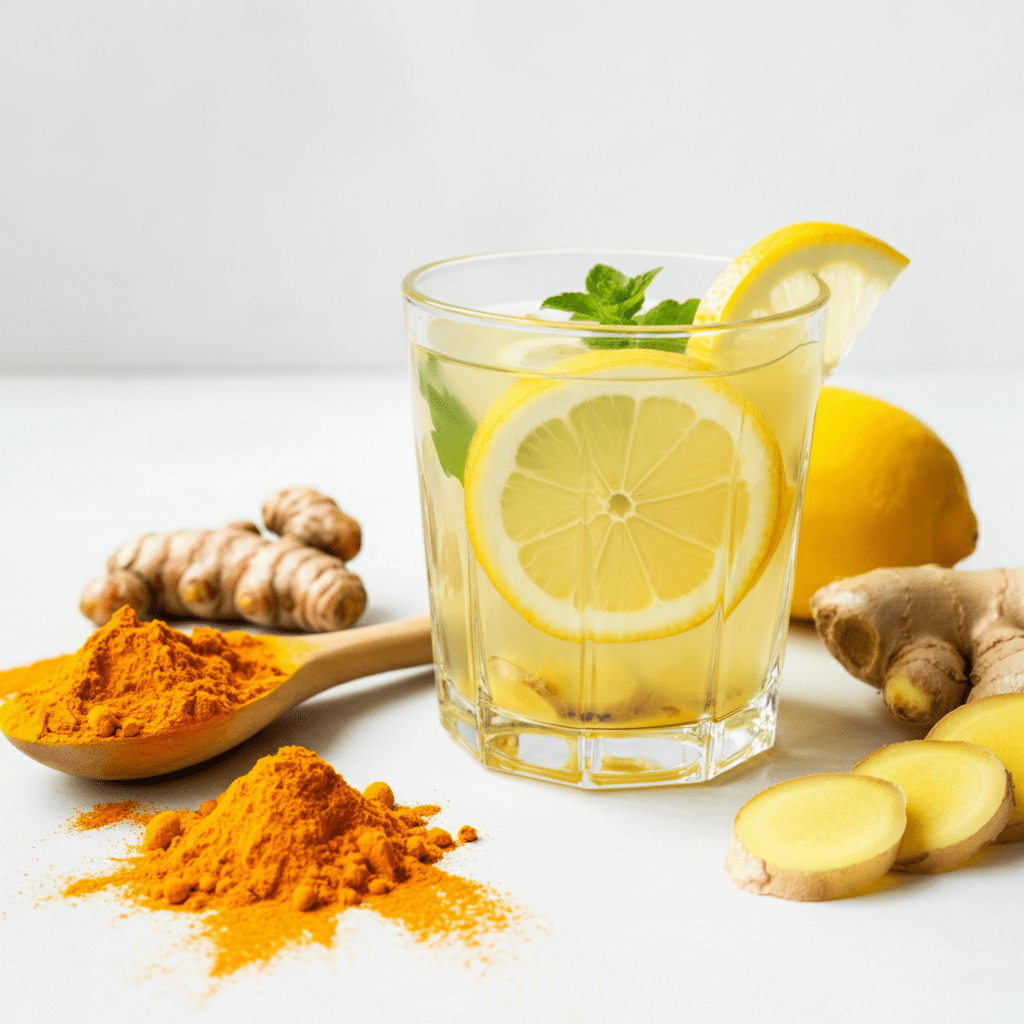
1. Ginger Lemon Water
Add a slice or two of fresh ginger for anti-inflammatory benefits and a warming kick that soothes digestion.
2. Mint Lemon Water
Mix in fresh mint leaves for a cooling, refreshing flavor. Mint also aids digestion and fights bloating.
3. Turmeric Lemon Tonic
A pinch of turmeric pairs well with lemon’s tang, offering powerful antioxidant and anti-inflammatory properties.
4. Cucumber-Lemon Water
Add cucumber slices for a hydrating, spa-inspired touch. It’s especially refreshing in summer months.
5. Lemon Electrolyte Balance
For post-workout recovery, sprinkle a pinch of sea salt or add coconut water for natural electrolytes.
Each variation elevates your lemon water experience, tailoring it to your tastes or specific health goals.
FAQ
- When is the most appropriate time to drink lemon water?
When to take lemon water mainly depends on what you want to achieve. It increases hydration, aids digestion and provides an energy burst because of the vitamin C it contains when consumed in the morning on an empty stomach. Warm water with lemon may be relaxing and offer some detoxification at night, however; warm water and lemon are not ideal in case of acid reflux-related symptoms. - Is lemon water effective in weight loss?
It is true that lemon water is not a miracle weight-loss product, but it can indirectly help in weight loss. Hydration is an excellent appetite suppressor, and the intake of unhealthy beverages need not be replaced by something significantly less healthy, such as lemon water, which will allow lowering calories. Taking it prior to the food can increase satiety thereby minimizing the consumption of excessive food. - What is the best way of preparing lemon water?
To get the best of it, squeeze half a medium-sized lemon in 8-12 Oz of water. Cold water refreshes in the day time and warm water, preferably in the morning, aids digestion. Dissolve your tooth enamel in acidity using a straw. - To whom are lemon waters contraindicated?
Lemon water can also be avoided or consumed less in people who have acid reflux or tender teeth. It has acidity that may worsen heartburn and give enamel tooth decay. So as to make it less risky, add water to the lemon juice, use a straw and then swish plain water in the mouth as you end the practice. - Is lemon water good to detox the body?
Lemon water has hydrating qualities and it can therefore facilitate natural detox, by helping to stimulate digestion, and the liver, but lemon water does not detox the body directly. Liver and kidneys take the work of detoxification, and lemon water is just an adjuvant. - How can lemon water be improved creatively?
Yes! What flavor and benefits to boost? Adding such ingredients as ginger to soothe the digestive tract, mint to give it a tinge of freshness, turmeric to provide anti-inflammatory protection, or cucumber to add a hydrating touch. It is also possible to sprinkle a pinch of sea salt to balance the electrolytes particularly after sport.
Final Thoughts
Its regular hydration, instant vitamin C, and minimal stomach upset assistance are all possible with the easy habit of drinking lemon water. And although it is not some miracle medicine of losing weight or cleansing your body, it is an excellent substitute to sugary drinks and a contributor to overall wellness. Don t forget to eat it in moderation and take precautions concerning the health of your teeth.
Test it in the mornings as well as evenings and experiment with some creative incarnations such as ginger or mint to find your perfect brew. Begin with a small portion, be an open-minded party to your body, and make this fresh, flexible drink your part of a wellness journey!
M. Saim Akhtar
Certified Health Content Specialist at HealthBoostMax. INFS-qualified nutrition researcher with 5+ years of evidence-based health writing. Focus areas: health wellness Information, preventive medicine, nutritional biochemistry, and fitness science.

Natural remedies for chronic sinus infection related to low immunity 2025

Best post-workout routine to prevent exercise-induced immune suppression2025

5 Breathing Techniques to Calm Your Nervous System and Boost Immunity

Best Foods to Boost Testosterone Naturally in 2025

How to Boost Your Immune System Naturally (2025)

Top Superfoods for Energy in 2025 – Boost Your Vitality

-
 Healthy Lifestyle & Nutrition7 months ago
Best Foods to Boost Testosterone Naturally in 2025
-
 Healthy Lifestyle & Nutrition6 months ago
How to Boost Your Immune System Naturally (2025)
-
 Healthy Lifestyle & Nutrition6 months ago
Top Superfoods for Energy in 2025 – Boost Your Vitality
-
 Disease Prevention & Health Tips7 months ago
COVID Vaccine Heart Risk Warnings and Safety Update in 20025
-

 Fitness & Exercise6 months ago
Healthy Meal Plans for Men | 3,000-Calorie Muscle-Building Ultimate Guide
-

 Fitness & Exercise7 months ago
Simple Exercises to Boost Flexibility with Arthritis
-

 Men’s & Women’s Health6 months ago
How to Balance Hormones Naturally for Women | Ultimate Hormone Balance Guide (2025)
-

 Natural Remedies & Herbal Treatments7 months ago
Natural Strategies to Lower Cholesterol – Expert Guide2025
-

 Healthy Lifestyle & Nutrition6 months ago
How to Detox Your Body Safely at Home in 2025
-

 Mental Health & Wellness7 months ago
Quick Stress Relief Techniques for Instant Calm(2025)