
Healthy Lifestyle & Nutrition
Easy Vegetarian Protein Sources for Beginners

Main Key Points
Eating vegetarian doesn’t mean compromising on protein or muscle growth—far from it! With the right proteins, you can meet your nutritional goals while enjoying budget-friendly, delicious meals. From beans to mycoprotein, vegetarian protein sources are not only diverse but also highly effective when prepared properly. Curious about boosting protein quality with simple food combos like rice and lentils? Or maybe you want to maximize bioavailability by learning hacks like soaking and sprouting? This guide simplifies the science, ranking the 17 best plant-based proteins for beginners and offering insights into cost, preparation, and athletic muscle synthesis. Whether you’re new to plant-based eating or looking for better ways to optimize your diet, this breakdown has everything you need to thrive.
In this guide, we will discuss the top 17 plant-based proteins for beginners. We’ll explore their nutritional benefits, how to prepare them, and their cost compared to animal proteins. Additionally, we’ll dive into the science behind protein quality and ways to optimize your plant-based protein intake for maximum muscle synthesis.
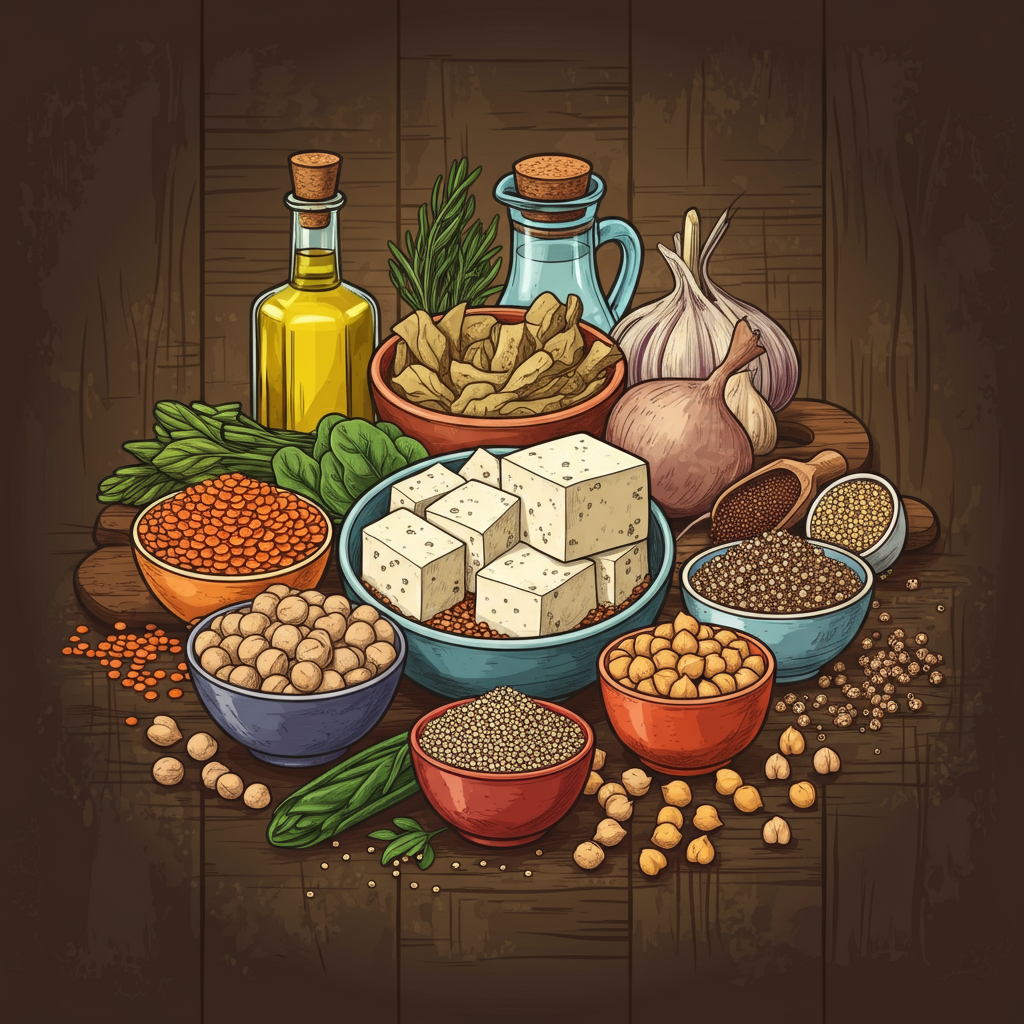
The 17 Best Vegetarian Protein Sources for Beginners (Ranked by Bioavailability)
1. Textured Vegetable Protein (TVP)
- PDCAAS Score: 1.0 (Complete protein)
- Cost Per Gram: $0.02
TVP is a soy-based protein powerhouse with versatility for soups, sauces, and stir-fries. It’s low-cost and high in lysine, an essential amino acid often lacking in vegetarian diets.
Hack: Hydrate in vegetable broth for added flavor.
2. Lentils
- PDCAAS Score: 0.84
- Cost Per Gram: $0.04
Affordable and easy to prepare, lentils pair perfectly with rice to form a complete protein.
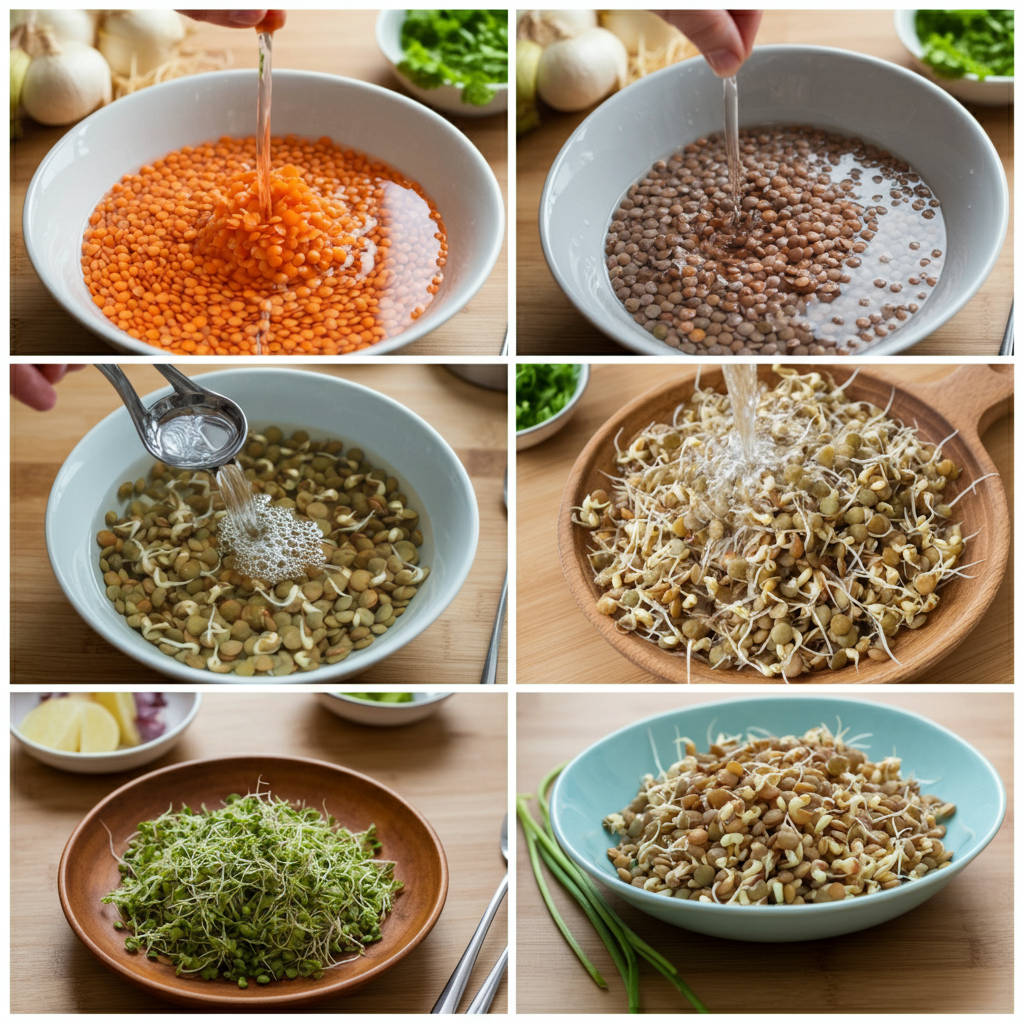
Soak or sprout your lentils to cut cooking times and reduce anti-nutrients like phytic acid, boosting nutrient absorption.
3. Quinoa
- PDCAAS Score: 1.0 (Complete protein)
- Cost Per Gram: $0.12
This seed is a complete protein with all nine essential amino acids. It’s also gluten-free and cooks quickly.
Pro Tip: Cook in vegetable stock and freeze portions for meal prep.
4. Chickpeas (Garbanzo Beans)
- PDCAAS Score: 0.78
- Cost Per Gram: $0.03
Great in curries, salads, or roasted as a snack, chickpeas offer flexibility alongside their protein punch.
5. Edamame
- PDCAAS Score: 0.94
- Cost Per Gram: $0.14
A complete protein with iron and calcium benefits. Perfect as a steamed snack or in stir-fries.
Hack: Add sesame seeds and soy sauce for an Asian-inspired twist.
6. Tofu
- PDCAAS Score: 1.0 (Complete protein)
- Cost Per Gram: $0.08
Tofu is another soy-based complete protein that absorbs the flavors of marinades beautifully.
Firm tofu works best for stir-fries while silken tofu can be a base for smoothies.
7. Tempeh
- PDCAAS Score: 0.78
- Cost Per Gram: $0.10
This fermented soybean product offers high protein and gut-health benefits.
Fry tempeh slices and coat with BBQ sauce for a hearty meat substitute.
8. Black Beans
- PDCAAS Score: 0.75
- Cost Per Gram: $0.03
Black beans are versatile and delicious in tacos, soups, or on salads.
9. Peas
- PDCAAS Score: 0.82
- Cost Per Gram: $0.02
Pea protein is a popular base for plant-based protein powders, but whole peas are just as good.
10. Seitan (Wheat Gluten)
- PDCAAS Score: 0.25 (Low lysine, complement with legumes)
- Cost Per Gram: $0.06
This wheat-based protein is chewy, high-protein, and ideal for replacing meat in recipes.
11. Hemp Seeds
- PDCAAS Score: 0.50
- Cost Per Gram: $0.20
Hemp seeds are easy to sprinkle on oatmeal, salads, or smoothies for extra protein.
12. Nutritional Yeast
- PDCAAS Score: 0.50
- Cost Per Gram: $0.10
This cheesy-flavored condiment is high in B vitamins and makes a great topping for popcorn or pasta.
13. Rice + Lentils (Complete Combo)
- PDCAAS Score: 1.0 (When combined)
- Cost Per Gram: $0.05
Rice alone lacks lysine, while lentils lack methionine, but together, they form a nutrient-packed duo.
14. Oats
- PDCAAS Score: 0.57
- Cost Per Gram: $0.02
Cook oats with almond milk for an easy, protein-rich breakfast.
15. Spirulina
- PDCAAS Score: 1.0 (Complete protein)
- Cost Per Gram: $0.30
Spirulina is a nutrient-dense algae protein often added to smoothies or juices.
16. Mycoprotein (Quorn)
- PDCAAS Score: 0.8
- Cost Per Gram: $0.15
This mushroom-derived protein mimics the texture of meat.
Steam or sauté to improve digestion.
17. Almonds
- PDCAAS Score: 0.44
- Cost Per Gram: $0.30
A handful of roasted almonds is a quick protein boost with healthy fats.
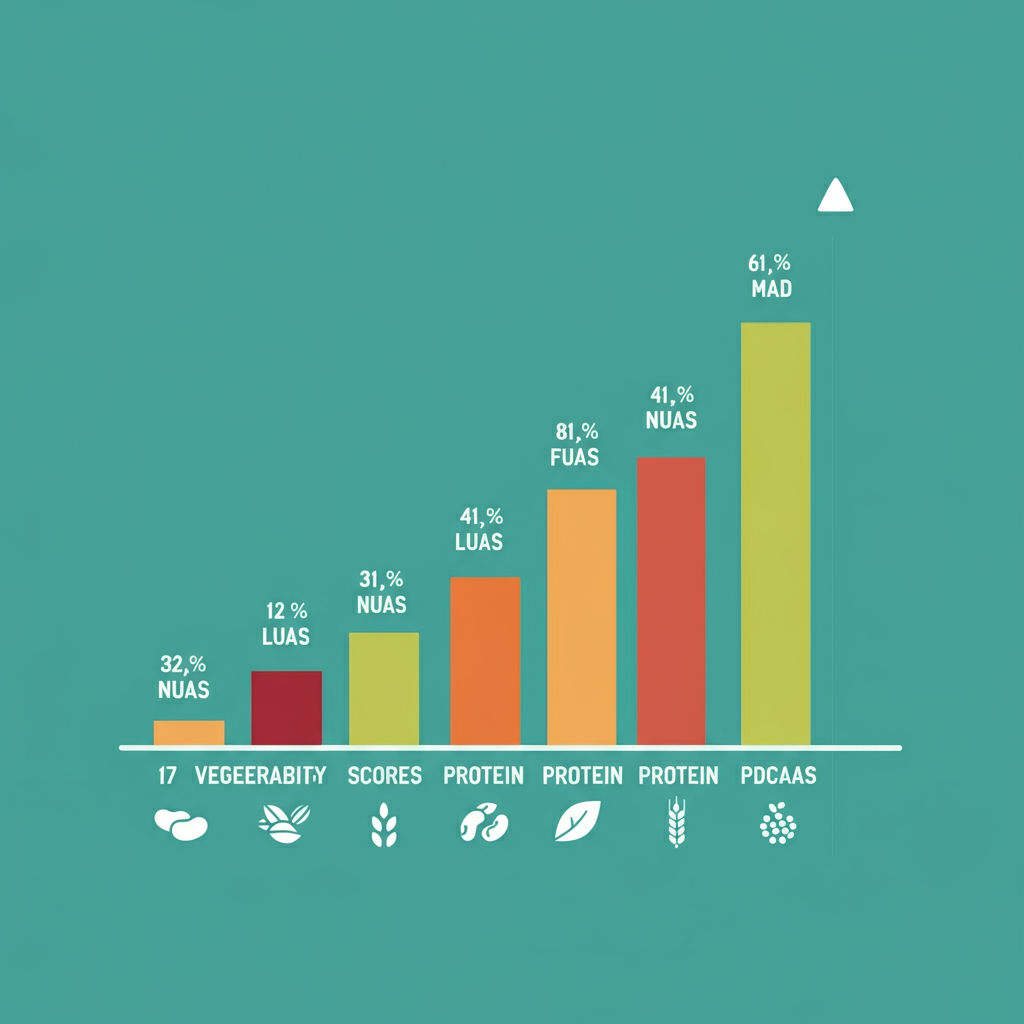
Graph Highlight
| Protein Source | PDCAAS Score | Cost Per Gram |
|—————–|————–|—————-|
| TVP | 1.0 | $0.02 |
| Lentils | 0.84 | $0.04 |
| Quinoa | 1.0 | $0.12 |
| Chickpeas | 0.78 | $0.03 |
| Tempeh | 0.78 | $0.10 |
Anti-Nutrient Reduction Hacks
- Soaking beans and seeds overnight eliminates phytic acid and decreases cooking times.
- Sprouting grains and legumes boosts vitamin content and digestibility.
- Fermentation of foods like tempeh improves gut health and nutrient
Muscle Synthesis on a Vegetarian Diet
Vegan Athlete Case Study
Elite marathon runner Fiona Oakes credits her plant-based diet for improved recovery times. Most athletes notice muscle protein synthesis peaks within 24-48 hours post-training when fueled with high-quality proteins. Complementary proteins (e.g., rice and lentils) offer complete nutrients for optimized muscle-building.
Supplementation for Vegetarian Athletes
While a well-planned vegetarian diet can provide most essential nutrients, some athletes may benefit from supplementation to fill potential gaps. For example, vitamin B12, primarily found in animal products, is crucial for energy metabolism and red blood cell production and often needs to be supplemented by those on a plant-based diet. Additionally, omega-3 fatty acids, important for reducing inflammation and supporting heart health, can be obtained from algae-based supplements as a plant-based alternative to fish oil. Iron and zinc are other key nutrients that may require attention, as plant-based sources of these minerals are less easily absorbed by the body. With appropriate supplementation and dietary strategies, vegetarian athletes can thrive and excel in their chosen sports.
Practical Meal Planning Tips
For vegetarian athletes, meal planning is essential to ensure optimal nutrition and performance. Incorporating a variety of protein sources, such as tofu, chickpeas, quinoa, and nuts, ensures that all essential amino acids are consumed. Pre- and post-workout meals should include a balance of carbohydrates and proteins to support energy levels and recovery. For example, a pre-workout smoothie with almond butter, banana, and plant-based yogurt can provide easily digestible energy, while a post-workout meal of lentil stew and sweet potatoes aids recovery. Hydration is also critical, with coconut water and electrolyte-rich beverages being excellent choices for staying hydrated during intense training. By prioritizing nutrient-dense and varied meals, vegetarian athletes can meet their energy demands and maximize their performance.
Additionally, planning and preparation are key for vegetarian athletes to ensure they consistently meet their nutritional needs. Meal prepping can save time and help maintain a balanced diet, especially during busy training schedules. Incorporating snacks like trail mix, hummus with veggie sticks, or energy bars made with oats and nuts can provide quick fuel between meals. It’s also important for athletes to monitor their intake of essential vitamins and minerals such as iron, zinc, calcium, and omega-3 fatty acids, which can sometimes be challenging to obtain in adequate amounts from a vegetarian diet alone. Consulting with a sports nutritionist can be beneficial in tailoring a diet plan that aligns with specific training goals and individual preferences. With careful consideration and strategic meal choices, vegetarian athletes can thrive and achieve excellent results in their athletic endeavors.
People Also Ask
- What is the healthiest vegetarian protein?
TVP and quinoa rank highest, offering complete proteins with all nine essential amino acids.
- How can vegetarians get enough lysine?
Lysine-rich foods like lentils, edamame, and TVP are excellent sources. Combine with grains for balance.
- Is plant protein good for muscle building?
Yes. Muscle synthesis depends on adequate protein intake and complete amino acid profiles, achievable with foods like tempeh and rice + lentils.
- Do vegetarians need protein powder?
Not necessarily. Whole foods like quinoa, lentils, and tofu can meet daily protein needs.
- What’s the cheapest vegetarian protein?
Lentils and TVP are among the most affordable while still offering high protein value.
Conclusion
Transitioning to a vegetarian diet doesn’t mean sacrificing protein or muscle gains. With affordable, beginner-friendly options like TVP, lentils, and quinoa, you can craft protein-rich meals tailored to your needs. Pair complementary proteins like rice and lentils, and use preparation hacks like soaking and sprouting to enhance nutrient absorption. Whether you’re an athlete or simply looking to eat healthier, these plant-based proteins empower you to thrive. Start experimenting today—your body will thank you!
Adopting a vegetarian diet is not just a choice; it’s a lifestyle that supports both personal health and environmental sustainability. By incorporating diverse, nutrient-dense plant proteins and combining them creatively, you can meet all your dietary needs without compromise. Whether your goal is fitness, wellness, or contributing to a more eco-friendly planet, a well-planned vegetarian diet is an achievable and rewarding path forward.

M. Saim Akhtar
Certified Health Content Specialist at HealthBoostMax. INFS-qualified nutrition researcher with 5+ years of evidence-based health writing. Focus areas: health wellness Information, preventive medicine, nutritional biochemistry, and fitness science.

Always feeling tired, always fighting bugs or even, simply not feeling well? You’re not alone. Vitamin D deficiency is an unspoken epidemic, silently plaguing millions of people around the world to such a degree that it has manifested in their mood and even their immune system. It is also referred to as the sunshine vitamin and it is produced in our bodies when our skin is in contact with sunlight. However, due to our contemporary indoor living conditions, use of sunscreens and seasonal matters, adequate amounts are actually a challenge.
Where, then, shall we find a good, natural source? One has to go no further than the bounty of the ocean. Fish fats are one of the few excellent sources of food that could boost your Vitamin D substantially. This article will take you on a tour around the six most effective fish to use in your food to make your meals a potent tool in promoting your health and well being in a natural way.
Why Vitamin D is a Non-Negotiable for Your Health
Understanding why this nutrient is so important, is important before we get into it. Vitamin D does not function as a vitamin and it rather functions as a hormone in your body. It is one of the main players that absorb calcium, which is essential in the development and in sustaining strong bones, thus avoiding diseases such as osteoporosis.
In addition to strengthening the skeletal system, it is an ingredient in a strong immune system, which assists in your body against infections. Moreover, it has been indicated in research that it is critical in controlling mood and can perhaps prevent low mood feelings especially in darker seasons.

1. Wild Salmon: King of the Sea.
Wild salmon carries the crown when it comes to Vitamin D. And one hundred gram serving of wild-caught salmon may provide an astounding 988 IU of Vitamin D, which exceeds 120 percent of the daily recommendation.
- Other Nutritional Stars: It is also known to be rich in high quality protein, has omega-3 fatty acids (EPA and DHA), which is a heart and brain health champion.
- Taste & Texture: Wild salmon has a firmer texture and a stronger and more complex taste than the farmed one.
Cooking Hack Simpler Cooking Trick:
To retain its fragile fats and nutrients, use soft cooking techniques. The best way to enjoy salmon is to bake it in a moderate temperature (375 °F or 190 0 C) with lemon and herbs or to sauté it just a bit with skin-side down.
2. Mackerel: The Fresh Tasting Workhorse.
Mackerel is a fish that is being poorly underestimated yet it is a nutritional heavy hitter. Cooked Atlantic mackerel (100 gs) is a good source of Vitamin D (approximately 360 IU).
- Other Nutritional Stars: It is extremely rich in omega-3s and an excellent source of Vitamin B12, which is essential as a source of nerve activity and energy.
- Taste & Texture: Mackerel tastes rich with distinct and slightly oily flavor and a tender and flaky texture.
Easy Cooking Hint: Mackerel has a distinct flavor and this flavor does not disappear when it is grilled or broiled. It can be made very rich with a sprinkle of smoked paprika and a squeeze of lime.
3. Sardines: The Mighty but Small Superfood.
Don’t let their size fool you! Sardines are considered to be one of the most nutritious foods on the earth. One 100 gram can of oil-packed sardines has around 272 IU of Vitamin D.
- Other Nutritional Stars: You are getting a wonderful blend of Vitamin D, omega-3s and calcium (as you tend to consume the soft bones). They also supply ample amount of selenium.
- Taste & Texture: They are salty and fishy with soft and moist texture.
Basic Cooking Hint: Sardines are the convenience food of all convenience foods. They are ideal right out of the can on whole-grain crackers or puréeé into a fast pate. To make a hot meal mix them on a piece of toast and broil a minute to make a hot crispy snack.
4. Tuna: The Versatile Classic
Another good source is fresh tuna. One hundred gram of cooked light tuna may provide approximately 268 IU of vitamin D.
- Other Nutritional Stars: Tuna is a great source of lean protein and includes niacin (Vitamin B3), which helps to maintain cardiovascular health.
- Taste & Texture: Fresh tuna is a firm meat that has a savory and mild taste. Tuna is a canned item that can be used to make a quick meal.
Basic Cooking Hint: Fresh tuna can be searced quickly on high heat and then the middle remains pink, which is moist and healthy. When buying canned tuna, be as careful as possible to select tuna packed in water or olive oil in order to keep the added calories at a reasonable level.

5. Herring: Another gem of the North of Europe.
A Vitamin D powerhouse, herring is a staple of Scandinavian and Northern European cuisines. 100 gram of pickled herring contains approximately 214 IU.
- Other Nutritional Stars: It contains a lot of omega-3s, and is also rich in phosphorus, another mineral that is essential in bone health as well as its family members.
- Taste & Texture: It is a silky, soft texture. Pickled herring is tangy, sour-sweet and fresh herring is richer.
Quick Cooking Hint: Pickled herring is ready to eat and can add great flavor to a salad or an open faced sandwich. Fresh herring is also tasty when smoked, grilled or pan-fried.
6. Cod Liver Oil: The Strong Supplement.
It is not a complete fish, but would be churlish not to mention this giant. One tablespoon of cod liver oil provides a tremendous 1,360 IU of Vitamin D.
- Other Nutritional Stars: It contains one of the highest concentrations of both Vitamin D and Vitamin A, as well as high amount of omega-3s.
- Tastes & Texture: To be truthful, it has robust, fishy flavor which many people find difficult.
Basic Cooking Hint: It is found in a liquid form, usually flavored, or in a capsule to evade the flavor. It is a very good method of increasing your levels and particularly during the winter.
Why Vitamin D is a Non-Negotiable for Your Health
It must be kept in mind that although sunlight is a main source, our bodies can produce a great variety of Vitamin D, which is affected by such factors as the geographic position, the content of melanin in the skin, and age. As an example, people in the north with a darker skin color or those who live within the north latitudes tend to find it difficult to make adequate amounts of it by relying on the sun alone. This is why you should resort to dietary sources not only as an addition, but also as a necessary measure of keeping all systems in your body at their best, able to do their job at their best.
FAQs
1. Is it, then, sufficient to obtain Vitamin D by eating fish?
Although these fish are a great source of them, most people may find it hard to sustain their daily needs relying on them only. An interplay of prudent sun exposure, a vitamin D-dense diet (e.g. fish, egg yolks, fortified milk) and perhaps a supplement (e.g. cod liver oil) is frequently the surest approach.
2. How can fish be cooked in order to preserve Vitamin D?
Vitamin D is a fat-soluble vitamin hence rather stable during cooking. The best ways are baking, broiling and steaming which do not destroy the natural oils in the fish that contain the vitamin. Deep-frying should be avoided because this may reduce nutrients, and it may introduce unhealthy fats.
3. Farmed or wild fish better in Vitamin D?
In most cases, wild-caught fish has a higher amounts of Vitamin D and omega-3s due to their healthy, diversified diet. Yet, even farmed fish such as salmon are a very good source and worthwhile addition to a healthy diet.
4. How frequently do I need to take fish as a source of Vitamin D?
An excellent targets would be to include fatty fish in your diet at the rate of 2-3 times per week to keep healthy Vitamin D levels and enjoy the other cardiovascular and brain benefits.
5. Is there any danger of overeating of these fish?
Although very healthy, large predatory fish (such as other types of tuna) may contain mercury. It is prudent to change the kind of fish you consume. There are certain health guidelines that pregnant women and young children must adhere to in regards to eating fish.
Conclusion
Living in a world of nutrition may seem to be a complicated process, but the journey to Vitamin D high levels is rather easy and tasty. With these six fish (wild salmon, mackerel, sardines, tuna, herring, and cod liver oil) in your weekly food plan, you are already making a strong natural stride in helping your body. You aren’t simply having a meal, you are building the base of your skeletal strength, giving your immune system some boost, and cultivating a healthy mood.
You do not need to stay at home to make total changes in your health. It can begin with a single, delicious, fish dinner this week. Which of these Vitamin D champions will you have first of all? Your body will be happy that you did it.
Table of Contents
M. Saim Akhtar
Certified Health Content Specialist at HealthBoostMax. INFS-qualified nutrition researcher with 5+ years of evidence-based health writing. Focus areas: health wellness Information, preventive medicine, nutritional biochemistry, and fitness science.

Table of Contents
Do you feel sick and tired of the 3 PM energy crash? That is the emotion when you lose your concentration and you can think only about a sweet pastry? I had been in that rut over the years. I would take what appeared to be a healthy lunch only to realize a few hours later that I was hungry, irritable and unproductive. It was not the amount of food but the quality. I used to lack such a potent way of eating: the long-lasting energy of high-fiber foods and the satiating effect of lean protein.
Then I worked out a formula–a certain lunch plan which transformed all things. It is not another salad-in-a-jar. It is a carefully prepared, high in nutrient, meal that is functional, as well as tasty. In 2025, we are speaking about smart meal preparation providing concrete outcomes: undiminished energy, better digestion and mellow satiety. This lunch is my non-negotiable secret weapon and today I am telling you every detail of it. Prepare to make your midnoon meal your best source of energy instead of being a source of fatigue.
Why This Specific Macro Combo is a Game-Changer
Why make the recipe before we get down to it? Both protein and fiber are not only a trend to combine to make a powerful nutritional strategy; it is a nutritional power.
Proteins:
Lean protein sources are the material of your body. They build muscle, they make you full and satisfied (okay, lower cravings!), and they carry a high thermic index, which means that they are burned by the body more than they are consumed.
Role of Fiber:
Dietary fiber, in particular, a diverse combination of different sources, is essential to the health of the digestive tract, the nourishment of good gut bacteria, and the control of blood sugar level. No longer spikes and crashes only smooth and pure energy.
The Synergy:
Eating protein in combination with fiber, magic occurs. The fiber also retards the digestion, and thus, it enables the protein and nutrients to be absorbed gradually. This gives a long term sense of fullness and a steady discharge of energy which is sufficient to scare away the afternoon slump permanently.
Meet “The Foundation Bowl”: Your Customizable Blueprint
Here is a presentation of what is known as The Foundation Bowl: Your Customizable Blueprint. I refer to this as The Foundation Bowl. It is not a fixed strict formula but a formula that is flexible and which is meant to be varied and individual. This will avoid meal-prep burnout and mean you have a large variety of nutrients over the week.
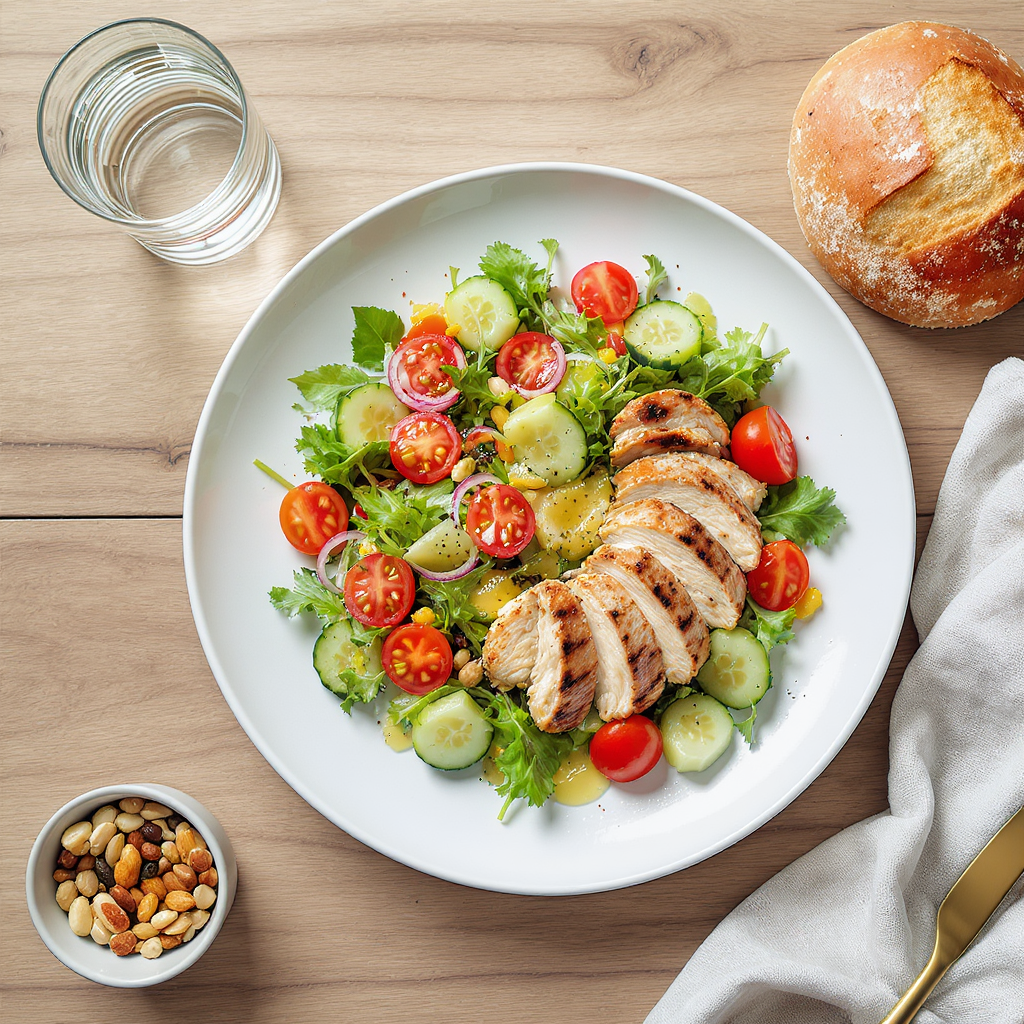
It is a very easy one, 1 Protein + 1 Fiber Base + 2 Veggies + 1 Crunch + 1 Dressing.
5-Part Blueprint Explained.
- The Power Protein (Choose 1):
- Grilled Lemon-Herb Chicken Breast: 150g sliced. (Marinate with lemon juice, garlic and rosemary.)
- Turmeric Chickpeas, Savory: 1 cup, roasted, with turmeric, cumin and pinch of salt.
- Flaky Canned Salmon/ Tuna: 1 small can, combine it with Greek yogurt, dill, and black pepper.
- Lentil and quinoa Mix: a combination of 1 cup cooked lentils and quinoa.
The Fiber Foundation (Choose 1):
- Tri-Color Quinoa: This is a complete protein and an excellent source of fiber. Farro: Crisp, nutty and full of fiber.
- Massaged Kale: Raw kale that is massaged with some lemon juice and salt to make it soft and juicy.
- Roasted Sweet Potato Cubes: 1 cup, is a high-fiber, vitamin-rich food.
The Veggie Volume (Choose 2+):
- Power of Cruciferus: Steamed broccoli, shredded Brussel sprouts.
- Colorful Crunch: Thinly sliced bell pepper, radish, red cabbage.
- Roasted Goodness: Roasted zucchini or asparagus, or cherry tomatoes.
The Healthy Crunch Factor (Select 1):
- Toasted Sunflower/ Pumpkin Seeds: Contains healthy fats and has a nice crunch.
- Slivered Almonds: To be nutty without being too strong.
- Homemade Chickpea Croutons: Protein dense, delicious, and crunchy.
The Zesty Dressing (Choose 1):
- Creamy Tahini -Lemon: Add 2 tbsp tahini, the juice of 1 lemon, 1 minced garlic clove, and water and shake to make creamy.
- Zingy Ginger-Sesame: 2tb rice vinegar, 1tb soy sauce (or tamari), 1tsp sesame oil, 1tsp freshly grated ginger.
- Cilantro-Lime Vinaigrette: One bunch of cilantro, the juice of 2 limes, 2 tbs olive oil, salt, and pepper mixed together until smooth
My Go-To 2025 Recipe: The Lemon Herb Chicken & Quinoa Power Bowl
This is the specific combination I prep most often. It’s a perfect balance of flavors and textures.
Yields: 4 Lunch Portions
Prep time: 30 minutes
Cook time: 20 minutes
Ingredients:
In the Chicken: 2 large boneless, skinless chicken breasts, 2tbspn olive oil, 1 lemon (juiced), 2 cloves of garlic (minced), 1 tspn dried oregano, salt, and pepper.
To make the Bowl: 1 cup uncooked quinoa, 2 cups vegetable stock, 1 large sweet potato (cut into cubes), 1 head broccoli (cut into florets), 1 head red cabbage (sliced into shreds), 1 avocado (cut into slices every day).
To Dress it: 1/4 cup olive oil, 2 tbsp apple cider vin
egar, 1 tbsp Dijon mustard, 1 tsp maple syrup, salt, and pepper.
In the case of the Crunch: 1/4 cup pumpkin seeds.
Instructions:
Marinate and Cook Chicken:
In a bowl, mix olive oil, lemon, garlic, oregano, salt and pepper. Add chicken breasts, and make sure they are coated. Allow to marinate (at least 15 minutes) (or overnight). Grill or pan-sear 6-7 minutes each side till completely cooked. Let rest before slicing.
Cook Quinoa:
Soak quinoa in as much water as possible. Bake in vegetable broth. Fluff with a fork.
Roast Veggies:
Place broccoli florets and sweet potato cubes in a small amount of olive oil, salt and pepper. Roast at 400 o C (200 o C) 20 minutes (or until tender and slightly brown).
Make Dressing:
Combine all dressing items in a small jar and emulsify.
Prepare:
Separate the cooked quinoa into four meal preparation containers. Serve with sliced chicken, roasted sweet potatoes, broccoli and shredded red cabbage. Sort out the dressing and pumpkin seeds in small different containers or compartments. Each morning add new slices of avocado.

Meal-Prep Mastery: Tips for a Flawless Weekly Lunch
- The Assembly Line: This requires all your containers to be organized and then move in the speed of an assembly-line.
- Dressing on the Side: It is never wise to pour dressing on top of the whole bowl until you are ready to eat. This makes it all crisp and fresh.
- Smart Storage: Leave all cooked food (chicken, quinoa, roasted veggies) to cool down to room temperature and then seal the containers to avoid condensation and sogginess.
- Fresh Touches: Store all such products as avocado, fresh herbs, and the crunchy seeds apart until the last moment.
People Also Ask” (PAA)
- Is it possible to prepare a high-protein and high-fiber vegan lunch?
- Absolutely! The blueprint is ideally flexible. In the case of protein, replace it with savory turmeric chickpeas, a lentil-walnut meat, or baked tofu. Your fiber base may be quinoa or farro. The dressings mentioned above are already vegan or can be made vegan.
- What is the time span of these meal-prep lunches in fridge?
- All the components will keep being fresh within 3-4 days when they are stored in airtight containers. This is what makes them ideal on a Monday-Thursday work week.
- Will this lunch be beneficial in weight management?
- The high protein, high fiber is indeed scientifically proven to induce satiety and lower the total calorie consumption by making you feel fuller longer, which is very helpful in weight management targets. I get bored easily.
- What shall I do to make this fascinating?
- The versatility of the blueprint of the blueprint the “Foundation Bowl” is its beauty. You can change your options of all subjects each week. Swap in another protein, or a new grain, such as freekeh, or prepare a new dressing. The opportunities are unlimited.
- What are other good high-fiber foods that I can add?
- Additions should be excellent like artichoke hearts, edamame, black beans, raspberries, pears (add fresh), chia seeds and flaxseeds. Adding sprinkles helps to add more fiber.
- Is it a diabetic-appropriate lunch?
- It is a great meal option when one has to manage blood sugar. The large amount of fiber content slows carbs absorption, preventing sudden spikes in blood sugar, and protein provides long-term energy.
Conclusion: Your Lunch, Transformed
It is not just a lunch it is a strategy towards a more productive, energetic, and healthier you since this is a high-protein, high-fiber meal. You are not merely saving time during a hectic week by adopting this easy Foundation Bowl formula, you are actually investing in your well being. You will not only save money but also you will not take unhealthy food out and lastly you will not get stuck in the rut of feeling very sleepy in the afternoon. Your future power and improved health is right on your plate.
So, what are you waiting for? Select your preferable combinations based on the blueprint, spend an hour this Sunday preparing, and enter a week of the tastiest lunch of your life. You will be grateful to your future self.
M. Saim Akhtar
Certified Health Content Specialist at HealthBoostMax. INFS-qualified nutrition researcher with 5+ years of evidence-based health writing. Focus areas: health wellness Information, preventive medicine, nutritional biochemistry, and fitness science.

Table of Contents
Managing high cholesterol is key to maintaining heart health and reducing the risk of serious diseases like heart attacks or strokes. A diet plan plays a pivotal role in this process. By incorporating cholesterol-lowering foods like soluble fiber, omega-3 fatty acids, and unsaturated fats, you can make meaningful strides toward a healthier lifestyle. These nutrients not only improve cholesterol levels but also enhance overall heart health.
However, it’s important to remember that dietary changes complement, not replace, medical advice. This 7-day cholesterol-lowering meal plan is designed for general guidance and should be customized to suit individual health needs. Always consult your doctor or dietitian to ensure this plan works for you.
Core Principles (Dietitian-Recommended)
Soluble Fiber is Essential
Soluble fiber binds to cholesterol in your digestive system, helping reduce the amount that enters your bloodstream. Foods rich in soluble fiber include oats, apples, kidney beans, and oranges. Incorporating these into your meals can significantly improve your cholesterol levels.
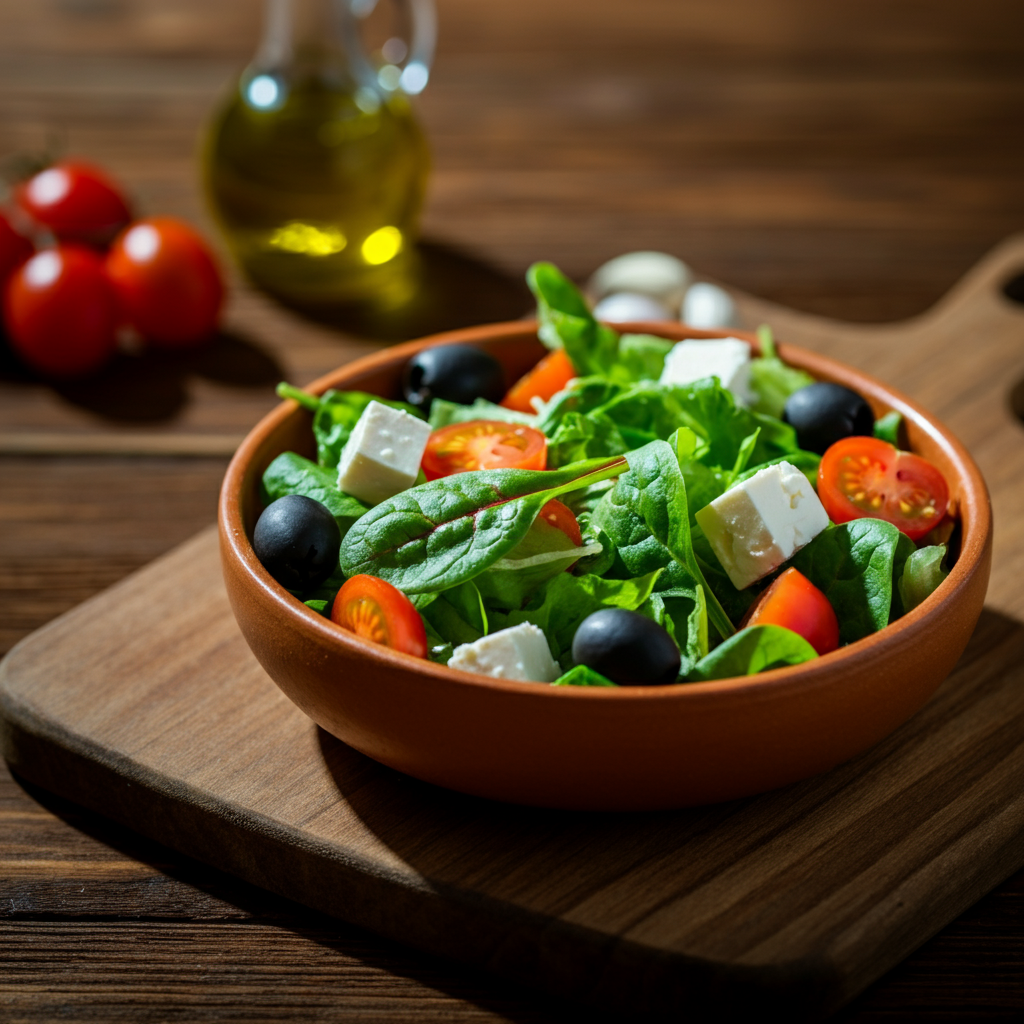
Add Healthy Fats
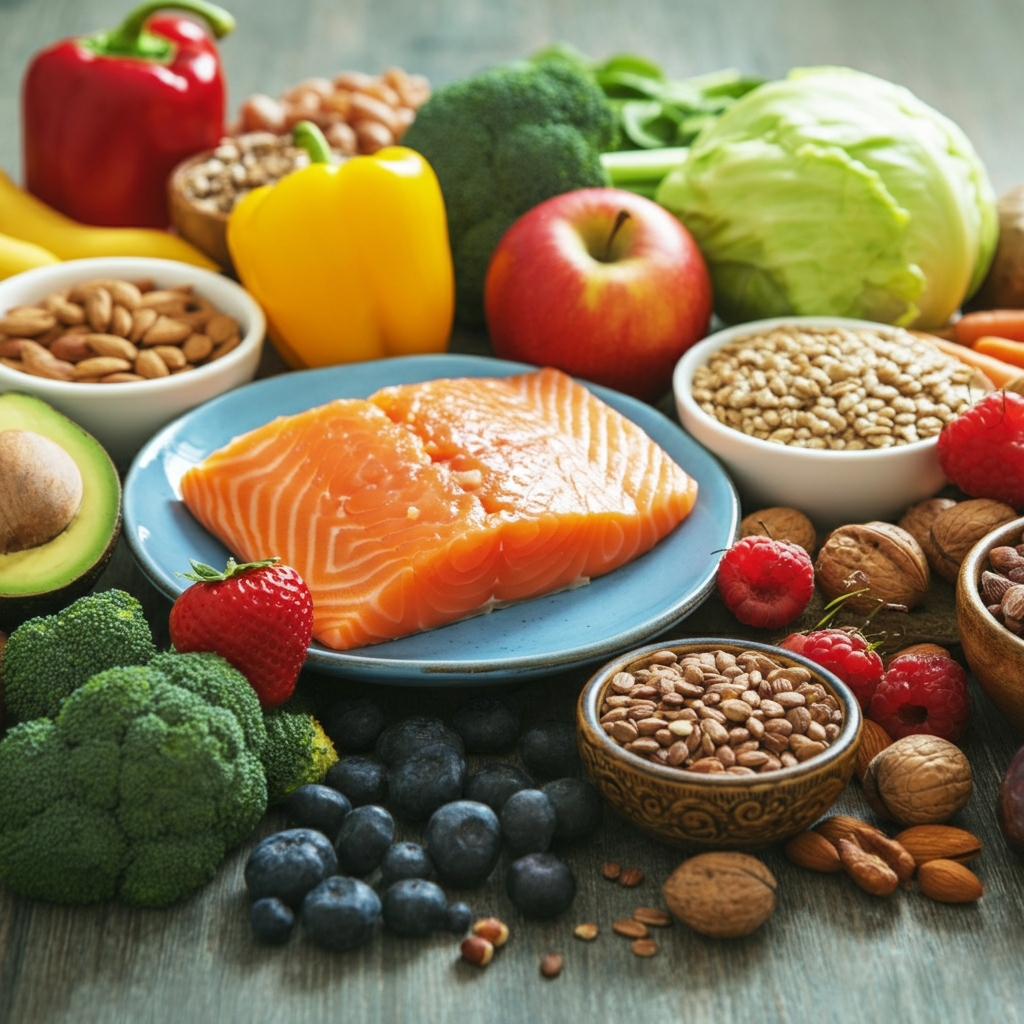
Replace saturated fats with unsaturated fats to improve your cholesterol profile. Include walnuts, flaxseeds, olive oil, and fatty fish (like salmon) in your diet. These sources are also rich in omega-3 fatty acids, which help lower triglycerides and support heart health.
Avoid Processed Foods
Processed foods, such as red meats, fried snacks, or packaged goods, may contain unhealthy trans fats that increase bad cholesterol (LDL) levels. Opt for fresh, whole foods instead.
By focusing on these three principles, you’ll build a solid dietary foundation to manage high cholesterol effectively.
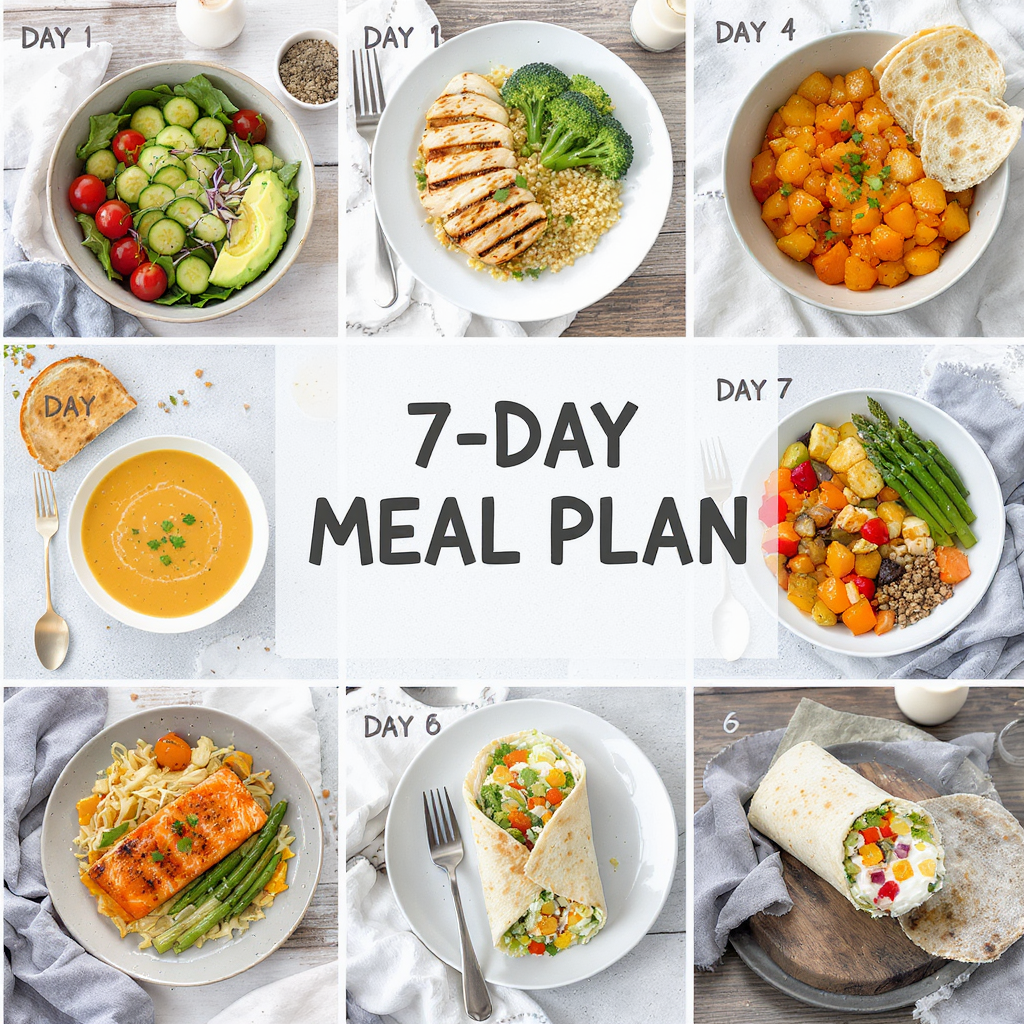
7-Day Meal Plan
Day 1
Breakfast
- 1 bowl of oatmeal topped with sliced apple and 1 walnut.
- Green tea or black coffee (no sugar).
Lunch
- Kidney bean curry with 1 cup of brown rice.
- A side of cucumber and tomato salad with a squeeze of lemon.
Dinner
- Moong dal cheela (lentil pancakes) served with steamed spinach seasoned lightly with olive oil and garlic.
Day 2
Breakfast – Greek yogurt with fresh berries, honey, and crushed almonds
Lunch – Whole grain pasta salad with vegetables (such as tomatoes, cucumbers, and bell peppers) and olive oil dressing
Dinner – Black bean and vegetable stir-fry served over brown rice
Day 3:
Breakfast – Avocado toast on whole grain bread topped with poached eggs
Lunch – Lentil soup with whole grain crackers and a side salad
Dinner – Grilled tofu with roasted sweet potatoes and broccoli
Day 4:
Breakfast – Whole grain toast with almond butter and banana slices
Lunch – Quinoa and black bean wrap with spinach, bell peppers, and salsa
Dinner – Turkey meatballs served over whole wheat spaghetti with tomato sauce
Day 5:
Breakfast – Overnight oats with chia seeds, almond milk, and mixed berries
Lunch – Grilled vegetable sandwich on whole grain bread with hummus spread
Dinner – Baked chicken breast with roasted Brussels sprouts and quinoa pilaf
Day 6:
Breakfast – Whole wheat pancakes with fresh fruit and a side of scrambled eggs
Lunch – Greek salad with grilled chicken, whole grain pita bread, and tzatziki sauce
Dinner – Vegetable stir-fry served over brown rice for a flavorful and healthy meal.
Day 7:
Breakfast – Avocado toast on whole grain bread topped with a poached egg and cherry tomatoes
Lunch – Quinoa and kale salad with roasted sweet potatoes, dried cranberries, and balsamic vinaigrette
Dinner – Grilled salmon with lemon garlic butter served with steamed vegetables and quinoa.
Key Notes
Portion Control
Overeating—even healthy foods—can hinder your progress. Stick to these basic guidelines for portion sizes:
- Nuts and seeds: 1 handful per day.
- Cooking oils (healthy oils like olive oil): Use a spray to control quantities.
Customization
- Vegetarian Swaps: Substitute tofu or paneer for meat-based protein.
- If Diabetic: Reduce portions of rice or other high-GI foods and include more fibrous vegetables.
Stay Hydrated
Drink at least 8 glasses of water daily. Consider adding green or peppermint tea for extra health benefits. Staying hydrated also helps your body flush out toxins and supports overall well-being.
Meal Prep Tips
- Plan Ahead: Create a weekly meal plan to save time and reduce stress. Having a plan minimizes impulsive, unhealthy choices and helps you stick to your goals.
- Batch Cooking: Prepare larger portions and store them in individual containers for easy grab-and-go meals throughout the week.
- Use Fresh Ingredients: Incorporate seasonal fruits and vegetables for optimal flavor and nutritional value.
Mindful Eating
- Eat Slowly: Take the time to chew your food thoroughly, as this aids digestion and allows your brain to register fullness.
- Portion Control: Use smaller plates to trick your brain into feeling satisfied with less food.
- Avoid Distractions: When eating, focus on your meal instead of watching TV or scrolling through your phone, which can lead to overeating.
Success Tips
Label Reading is Crucial
Look for labels that clearly state “zero trans fats” and avoid foods high in added sugars or processed ingredients.
Keep Moving
Physical activity complements a healthy diet. Aim for 150 minutes of moderate exercise, such as brisk walking or cycling, every week.
Manage Stress
Stress indirectly affects cholesterol levels. Practicing yoga, meditation, or even deep breathing for 10 minutes daily can help keep your stress in check.
These small measures, when paired with a heart-healthy diet, can amplify your results over time.
Regular Health Check-Ups
Monitoring your health is essential in managing cholesterol levels effectively. Regular check-ups with your healthcare provider can help detect any issues early and track your progress. Blood tests to measure your LDL (bad cholesterol) and HDL (good cholesterol) levels provide valuable insights into your heart health. Discuss your results with your doctor and work together to adjust your lifestyle or medications if necessary. Taking a proactive approach ensures you’re staying on the right path toward better cardiovascular health.
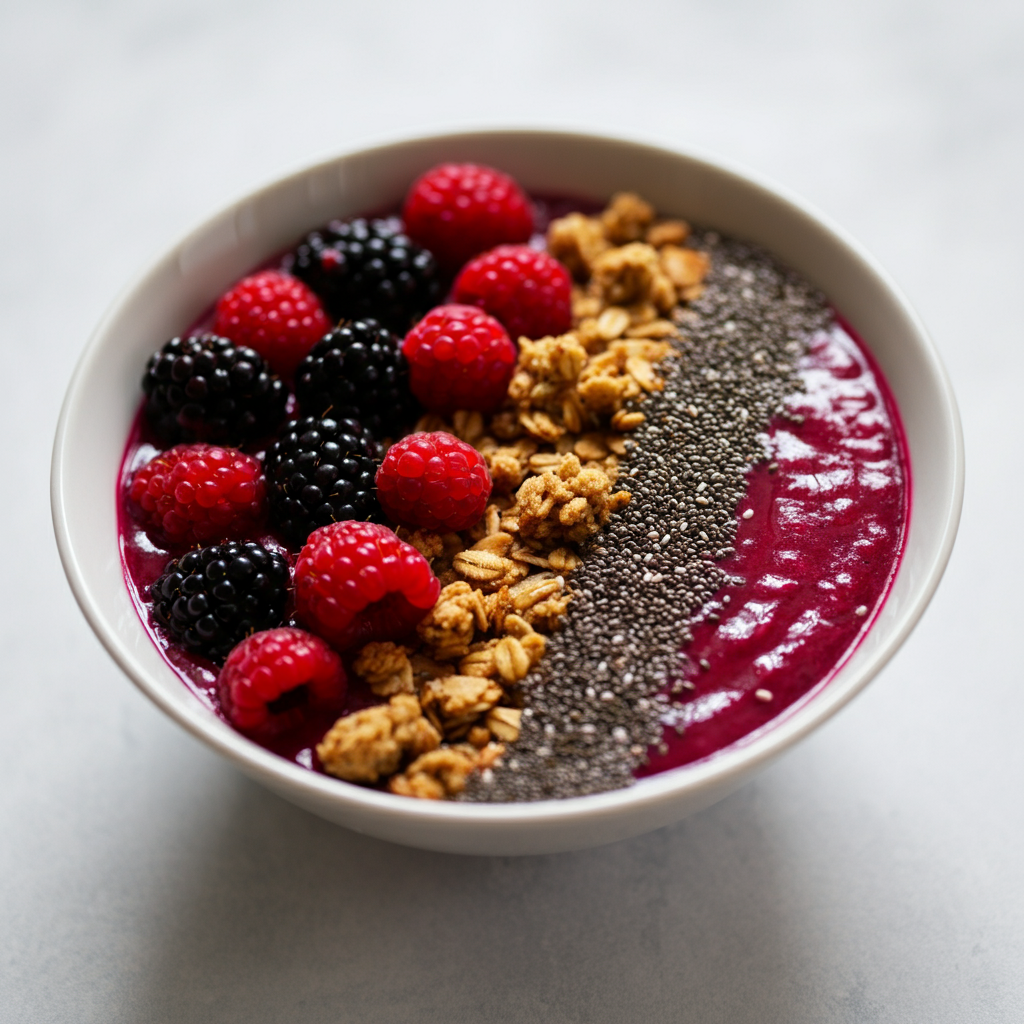
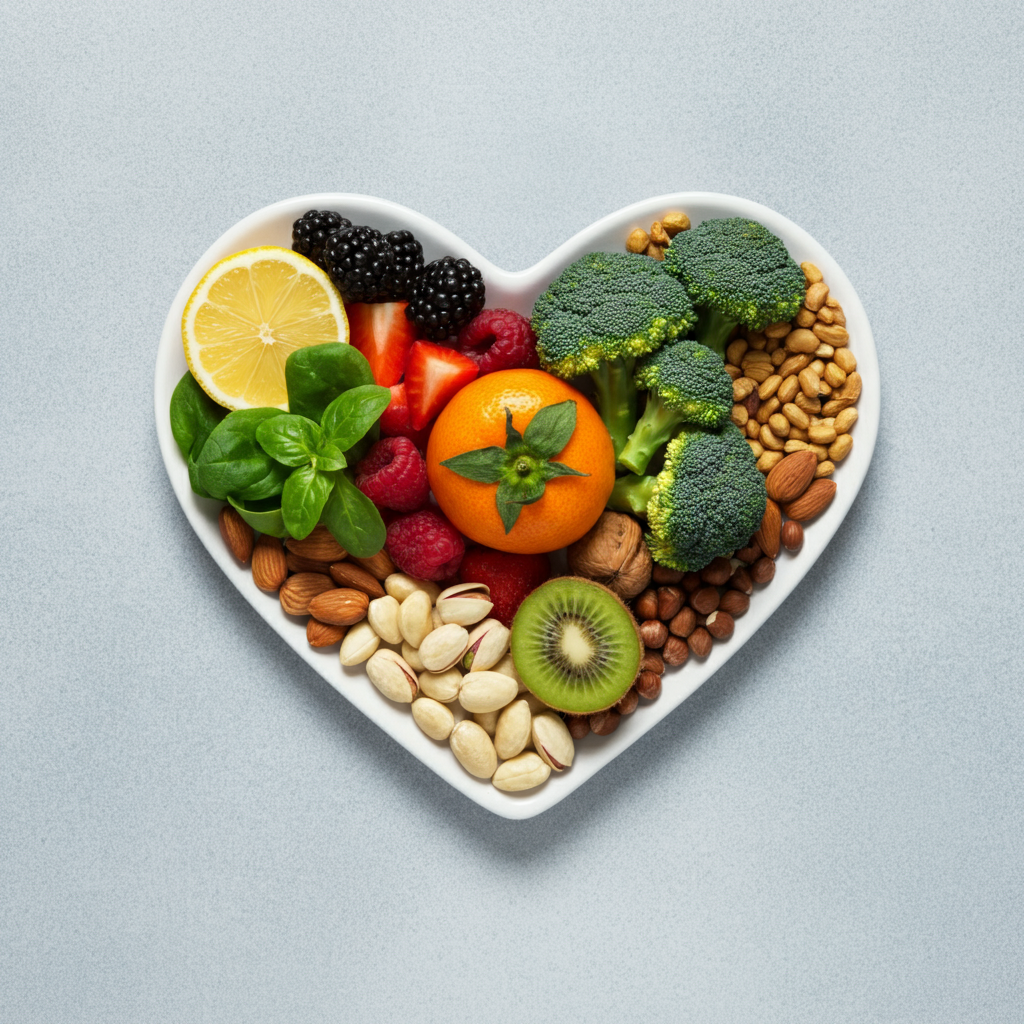
Additionally, incorporating physical activity into your daily routine is essential for maintaining healthy cholesterol levels. Aim for at least 30 minutes of moderate exercise most days of the week, such as brisk walking, jogging, cycling, or swimming. Exercise not only helps raise HDL (good cholesterol) but also assists in lowering LDL (bad cholesterol) and improving overall heart function. Pairing regular activity with a balanced diet rich in fruits, vegetables, whole grains, and lean proteins can amplify these benefits. Remember, small, consistent changes can lead to significant, lasting improvements in your cardiovascular health.
Frequently Asked Questions (FAQs)
Can I eat ghee?
Yes, but moderation is key. Limit ghee (clarified butter) consumption to 1 teaspoon per day.
Should I avoid egg yolks?
Egg yolks can increase cholesterol intake, so it’s best to limit them to 2 per week. Egg whites, however, are a high-protein, cholesterol-free alternative.
Are potatoes bad for cholesterol?
Potatoes themselves are not harmful, but how they are prepared matters. Avoid fried options and choose baked or boiled versions instead.
How often can I eat fish?
Fatty fish like salmon or mackerel can be enjoyed 2-3 times per week for their omega-3 benefits.
Is coconut oil good for cholesterol?
Coconut oil contains saturated fats, which should be consumed sparingly. Stick to heart-healthier oils like olive or avocado oil.
Can I snack between meals?
Yes, but choose healthy snacks like raw nuts, seeds, or a piece of fruit to avoid spiking cholesterol levels with processed foods.
Conclusion
Lowering cholesterol begins with mindful food choices. This dietitian-approved 7-day high cholesterol diet plan outlines nutritious, easy-to-make meals that are not only heart-healthy but also delicious. By focusing on soluble fiber, healthy fats, and portion control, you can achieve meaningful improvements in cholesterol levels and overall health.
Start incorporating small changes today. Take charge of your health and consult with a healthcare professional to tailor this plan to your unique needs. A healthier heart is just one meal plan away! Start your journey to a healthier lifestyle with Health Boost Max.
M. Saim Akhtar
Certified Health Content Specialist at HealthBoostMax. INFS-qualified nutrition researcher with 5+ years of evidence-based health writing. Focus areas: health wellness Information, preventive medicine, nutritional biochemistry, and fitness science.

Table of Contents
Muscle building does not just mean weight lifting, but it is all about what you put into your body to grow and recover. Knowing how to arrange macros, complement the diet with testosterone-stimulating food, and eat at the right times helps men who strive to increase lean sinew. This guide will help debunk how to make a 3,000-calorie muscle gaining meal plan with the expertise of split macros, the effect of alcohol, and even meal strategies for night and shift workers.
Our article can be useful not only to people who have been going to the gym more than once, but also to newcomers who are at the entrance of their muscle-building adventure. We will go over all the way about how to prep your cruciferous veggies to provide hormonal health to the proper use of cooking oils to increase your testosterone. It is high time to fuel your gains properly. So stay tuned, we have a plan expected to give the results out!
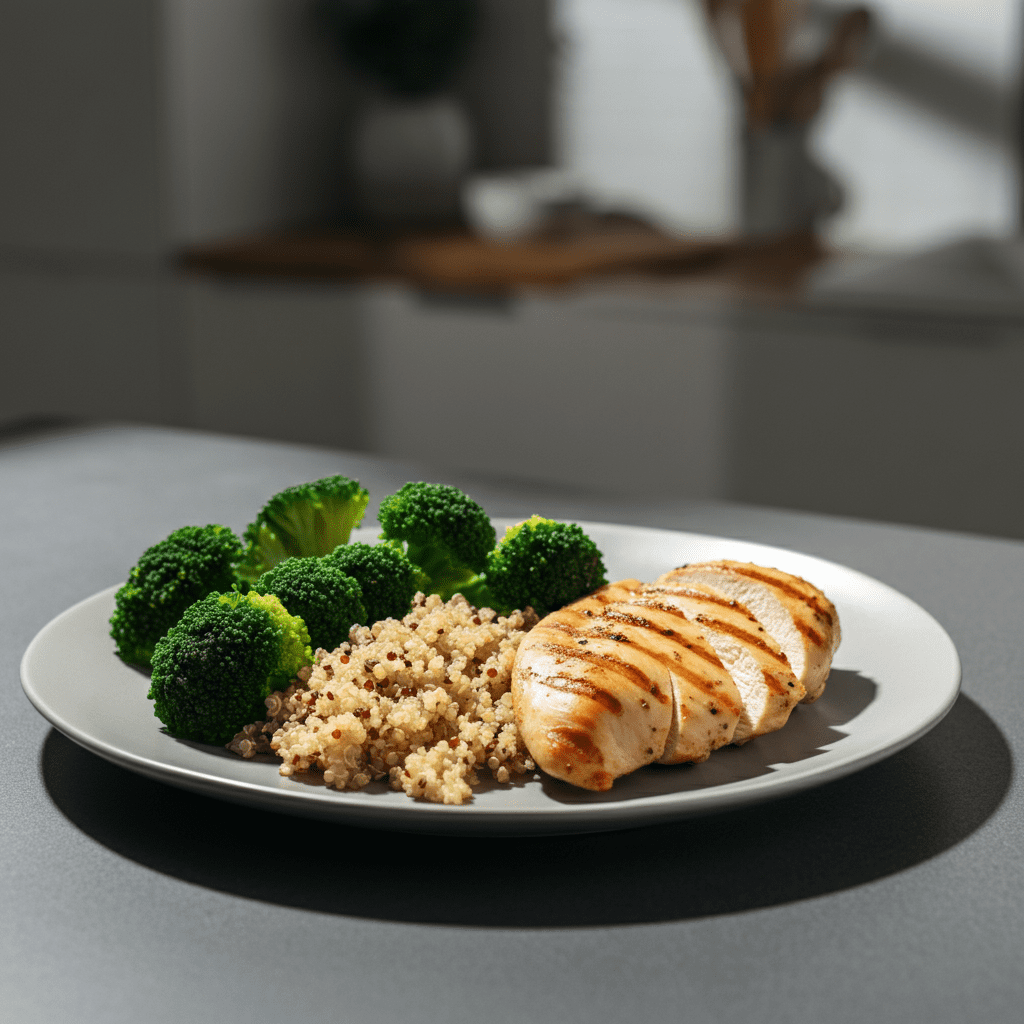
Macro Splits (40/30/30) for Muscle Building
What is the 40/30/30 Macro Split?
Based on 40/30/30 split, 4/5 of the daily calories would be used in carbs, 3/5 on protein and 3/5 on fats. This moderate practice provides sufficient amount of carbs as a source of energy, protein to replenish and develop muscles, and fats to promote a hormone level.
Why 40/30/30 Works for Muscle Growth
- Carbohydrates (40%) provide glycogen to fuel gym performance and muscle repair post-workout. Opt for complex carbs like oatmeal, sweet potatoes, and brown rice.
- Protein (30%) is essential for muscle recovery and hypertrophy. Include high-quality sources like chicken breasts, fish, eggs, and plant-based proteins.
- Fats (30%) support testosterone levels, brain function, and sustained energy. Include healthy fats such as avocados, nuts, seeds, and olive oil.
Sample Meal Plan
- Breakfast: 3 scrambled eggs, avocado toast on whole-grain bread, and black coffee.
- Lunch: Grilled chicken breast, quinoa, and steamed broccoli.
- Dinner: Baked salmon, roasted sweet potato, and sautéed spinach.
- Snacks: Greek yogurt with honey and walnuts, or a handful of almonds.
Testosterone-Boosting Foods
Muscle growth can be increased by consuming the foods that stimulate the production of testosterone. Important nutrients such as zinc, D vitamin and healthy fats are important with regard to ensuring the optimum levels of testosterone.
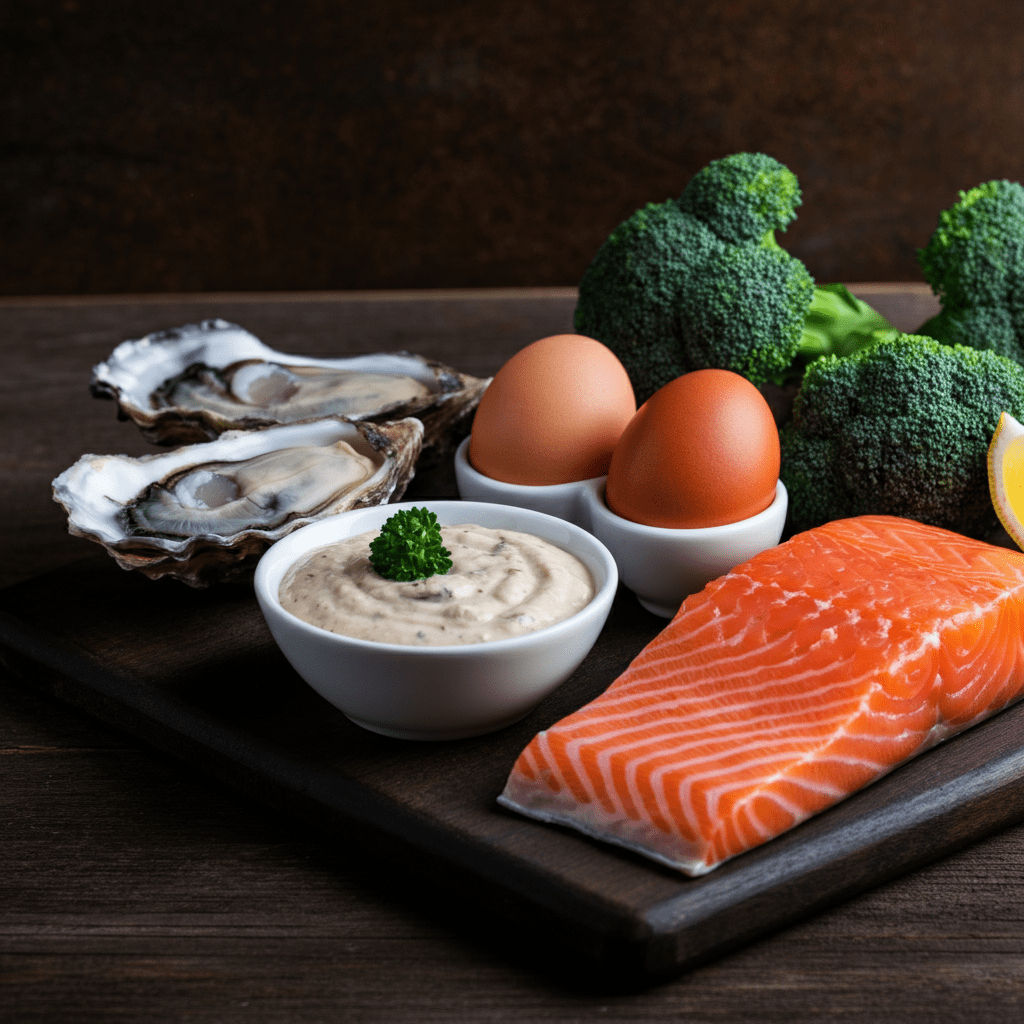
Top Testosterone-Boosting Foods
- Cruciferous Vegetables (broccoli, kale, Brussels sprouts): These help balance hormones by reducing excess estrogen.
- Zinc-Rich Options (oysters, pumpkin seeds, red meat): Zinc is crucial for testosterone production.
- Egg Yolks: Rich in vitamin D and cholesterol, which support testosterone synthesis.
- Fatty Fish (salmon, mackerel, sardines): High in omega-3 fatty acids, promoting overall hormonal health.
Pro Tip for Veggie Prep:
Steam or lightly sauté cruciferous vegetables to retain their hormone-balancing properties without diminishing nutrients.
Hydration Tips
facilitates the vital processes in the organism, including maintenance of body temperature, help in the digestive process and delivery of nutrients. Goal: consume 8-10 cups of water per day and increase depending on the amount you are active and the climate. Add some hydrating foods such as cucumbers, watermelon and oranges to supplement with your water.
Supplement Recommendations
Even though a balanced diet ought to be the primary source of the nutrients, some supplements may help to cover the deficiencies as well as increase the performance leading to the personal needs.
Multi vitamins: You need to make sure that you are taking care of all your basic micronutrient needs.
Protein Powder: It can be helpful in achieving daily protein intake particularly after exercise.
Omega-3 Fatty Acids: Omega-3 Fatty acids promote the health of the heart and mind; they are usually taken as fish Oil supplements.
Vitamin D: Helps the immunity system and bones, particularly among people who do not receive much sunlight.
Whenever you decide to include a new supplement in your routine, it is always better to talk to a healthcare expert or reputable registered dietitian.

Alcohol’s Impact on Muscle Building
Alcohol can prevent production of testosterone and muscle recovery when taken in large amounts though occasional usage is encouraged.
The influence of the Alcohol on Gains
Reduces Protein turnover: This reduces the growth and repair of your body as your body reserves more energy on detoxification.
Decreases Testosterone: Overuse of it can decrease its production that halts muscle growth.
Empty Calories added: Alcohol does not add to your nutriment but adds to your calorie content and this has a tendency of amassing fat.
Smart Decisions Making:
Do you like to take a drink? Well I suppose you would do this in moderation. Choose low-calorie food e.g. dry wine or a light beer and hydrate between servings to minimize its impact.
Meal Timing for Shift Workers
Men working irregular hours often face challenges with eating schedules, which can affect muscle-building efforts.
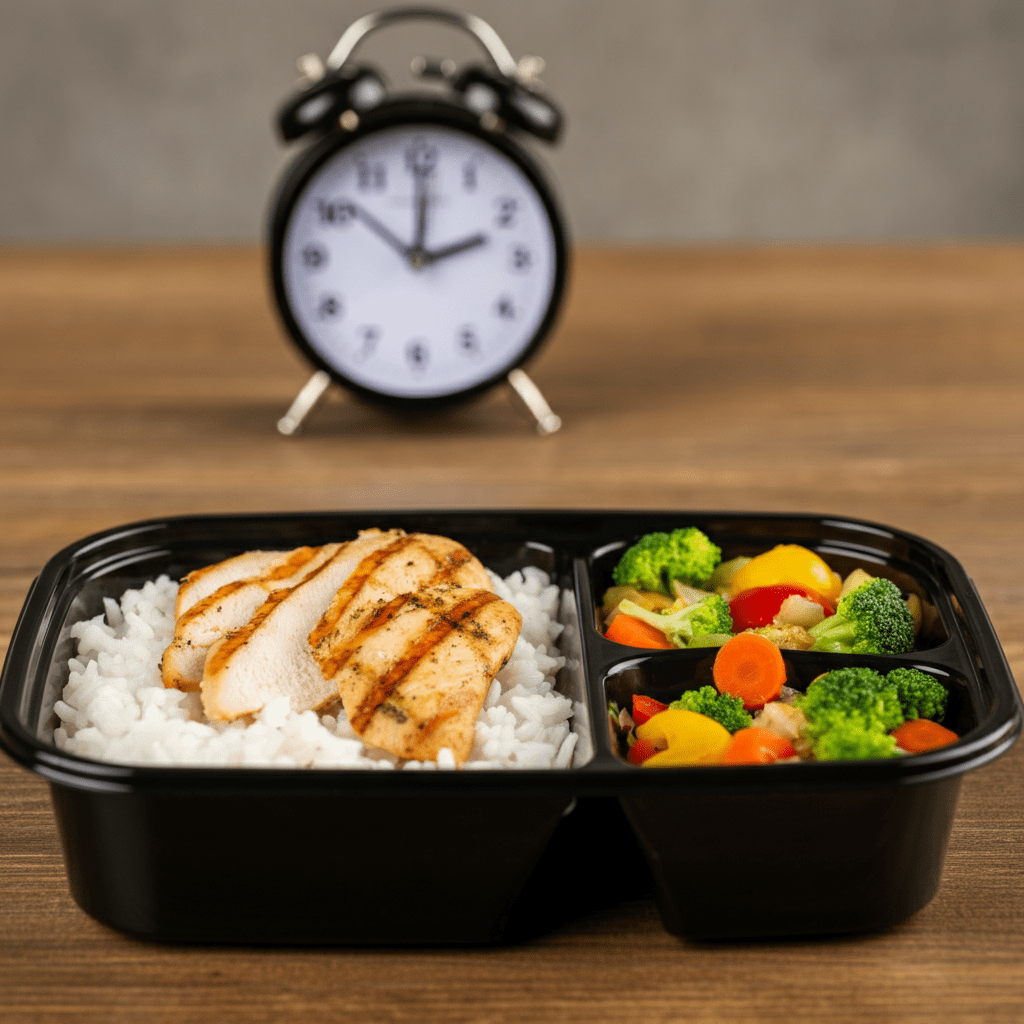
Tips for Meal Timing
Pre shift Fuel: Start with right diet of protein and complex carbohydrates so that you go through the shift.
Smart Snacking at the Workplace: Stuff snack foodstuffs that you can carry along with you like fruits, boiled eggs, protein bars or a variety of nuts.
Post-exercises Body Recovery: Add lean source of protein and a high-glycogen-burning carb to replenish the glycogen levels, which aid body and muscle recovery.
SMP Sample Shift Worker Plan:
Pre-Work: Nothing, except soft oatmeal with berries and peanut butter.
Mid shift Snack: Beef jerky or protein smoothie.
Post-Shift: Grilled turkey burger, wholegrain bun and diversion salad.
Androgenic Cooking Methods
Certain cooking techniques can help preserve nutrients important for hormone health.
Best Cooking Methods
- Grilling or broiling preserves zinc and vitamins while adding flavor.
- Steaming minimizes nutrient loss in vegetables like broccoli and kale.
- Using Healthy Oils (e.g., olive oil and avocado oil) ensures that fats contribute to testosterone production without adding harmful trans fats.
Avoid These
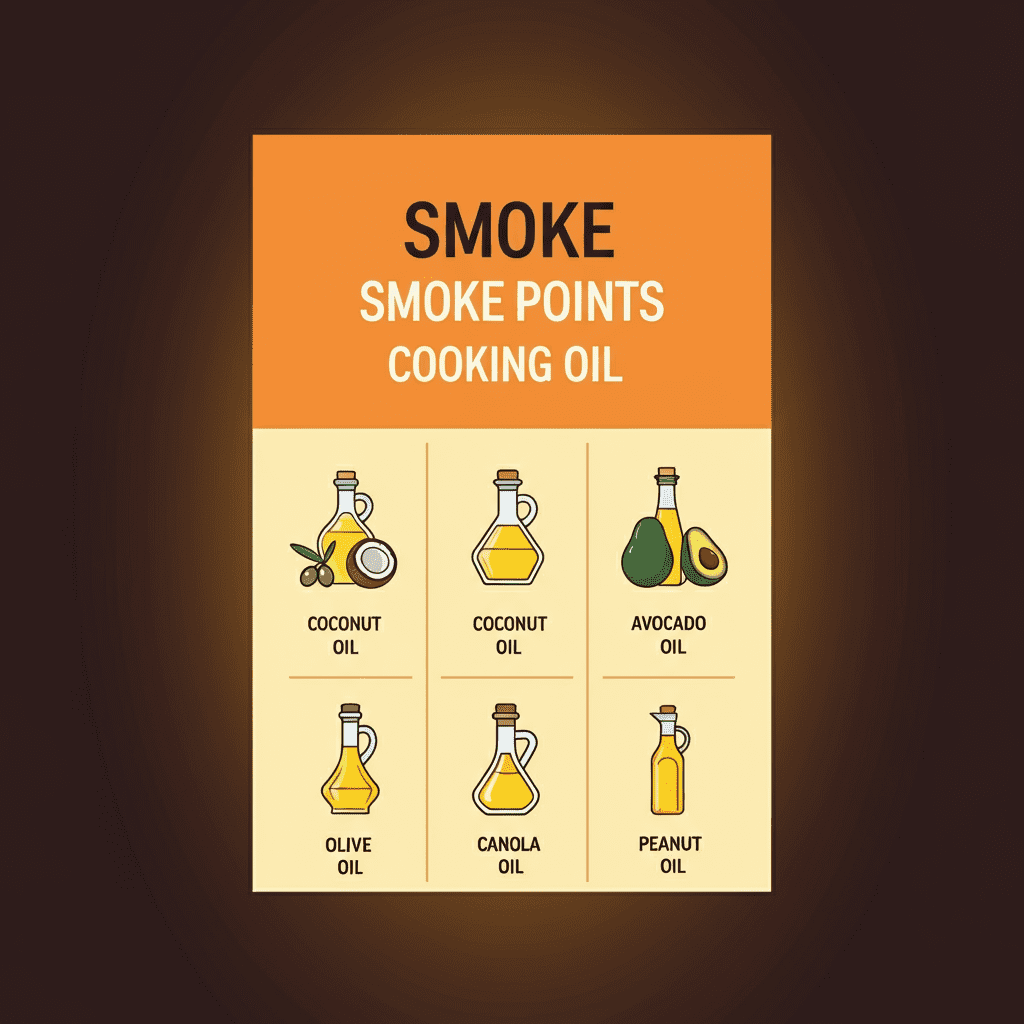
High-heat methods like deep frying can cause oil to reach its smoke point, generating harmful compounds that impair testosterone.
Zinc-Rich Snacks for Muscle Growth
Snacks loaded with zinc make a great addition to a muscle-building diet.
Quick Zinc-Packed Options
- Roasted pumpkin seeds
- Tuna or canned sardines on whole-grain crackers
- Dark chocolate (70% cocoa or higher)
- Almonds or cashews
Cooking Oil Smoke Points
Cooking oils differ in how they respond to heat, and choosing the right oil is critical for preserving nutrients.
Best Oils for High-Heat Cooking
- Avocado oil (smoke point ~520°F)
- Ghee or clarified butter (~485°F)
- Canola oil (~400°F)
Oils for Low-Heat Cooking
- Extra virgin olive oil (~375°F)
- Flaxseed oil (avoid heating; great for salads)
People Also Ask (PAA)
- Is it possible to build muscle with 3,000 calorie diet?
Ans: Yes, even like 3,000 calories can be utilized to build muscle mass as long as you are doing strength training and a good macro ratio. - Which are the food items that help to increase testosterone?
Ans: Testosterone production can be encouraged by the use of such foods as eggs, oysters, fatty fish, and broccoli. - What is the influence of alcohol on testosterone?
Ans: High alcohol lowers the testosterone level and hinders the process of protein synthesis causing muscle recovery to be very slow. - What is the best food shift workers should have in the late night?
Ans: The best late night snack consists of protein and easily processed carbohydrates; e.g. grilled chicken and rice or yogurt with honey and granola. - Which oil is good to cook to increase testosterone?
Ans: Avocado oil and extra virgin olive oil are very good because of their health fats composition and the fact that they help to retain nutrients in their cooking process. - What makes zinc muscle building?
Ans: Zinc boosts the hormone production of testosterone, promotes recovery, and helps in the process of protein synthesis, which are important in muscle growth.
Conclusion
To build muscles, you do not need to make the process overwhelming when designing a 3,000-calorie muscle-building meal plan. Taking in the 40/30/30 macro split, adding up testosterone-boosting foods into the diet, and making good use of smart timing of a meal will stimulate muscle production and straighten out the recuperation procedure. Making sure that grocery shopping includes the right cooking options or the snacks containing zinc does not seem like much but matters a lot.
With the help of the consistency of your meal plan and following your progress, you may make corrections to make sure you are on track to meet your nutrition and fitness objectives. The thing is that muscle building is a slow process and it cannot be done quickly. Supplement this well-put meal plan with good exercise regime, hydration and good sleep to get the best out of it. Gradually, such work will both produce a visibly increase in strength, faster recovery, and a healthier, stronger body.
You start creating your all-time muscle-fueling meal structure right now–your gains are coming! Have questions? And we will take care of it start you off in case you drop them below.
M. Saim Akhtar
Certified Health Content Specialist at HealthBoostMax. INFS-qualified nutrition researcher with 5+ years of evidence-based health writing. Focus areas: health wellness Information, preventive medicine, nutritional biochemistry, and fitness science.
Main Points
Scheduling just some minutes of your day to tend to self-care might do wonders to your mental state, vitality and emotional well-being. Whether stress is always there with you, or your life is not as demanding as running on an empty tank, you may need a customized self-care regime as the answer. Not only do you have five, maybe thirty spare minutes, but it is also essential to incorporate what controls your nervous system, what makes you happy, and what helps your practice of restoration.
This guide will help you come up with a self-care daily routine that will appeal to you and fit your time. You will also learn to find a right balance between mental, physical, emotional health, how to follow the routine with simple tools, how to adjust the plan to the season changes without taking the balance of your wallet. It is an investment in your well-being. Alright, we will let us begin!
Balancing 5-Min vs. 30-Min Self-Care Routines
Quick 5-Minute Routines for Busy Days
Even the busiest schedules have room for five minutes of self-care. Small but impactful practices can soothe your mind, energize your body, and brighten your emotions.

- Mental Care:
- Take a few deep breaths to center yourself.
- Try a 5-minute guided meditation using an app.
- Journal one positive thought or gratitude from your day.
- Physical Care:
- Do simple stretching exercises to loosen tense muscles.
- Drink a glass of water mindfully for hydration and mental clarity.
- Practice a quick face massage to relieve stress.
- Emotional Care:
- Listen to a favorite song that lifts your spirit.
- Send a thoughtful text to someone you care about.
- Smile in front of a mirror—it can shift your mood.
Indulgent 30-Minute Routines for Deep Restoration
If you can set aside 30 minutes, you can dig deeper into restorative practices and joy triggers.
- Mental Care:
- Read a chapter of a thought-provoking book.
- Engage in a creative hobby like painting or writing.
- Set goals or reflect on personal growth with a journaling session.
- Physical Care:
- Commit to a 30-minute yoga or at-home workout session.
- Prepare a nourishing meal.
- Take a relaxed, tech-free nature walk.
- Emotional Care:
- Watch a calming or inspiring TED Talk.
- Spend uninterrupted time with a loved one.
- Explore your emotions through art or music.
The key to success is to honor how much time you truly have without feeling guilty for lighter days.

The Essentials of Balanced Self-Care
Self-care isn’t one-size-fits-all, and balance is crucial. Here’s how to approach mental, physical, and emotional well-being holistically.
Mental Self-Care
- Why It Matters: Your mind sets the tone for your day.
- Ideas:
- Listen to a podcast that inspires or educates.
- Dedicate time to mindfulness practices to lower stress.
- Write down three goals for the day to focus your mind.
Physical Self-Care
- Why It Matters: Caring for your body fuels your overall well-being.
- Ideas:
- Opt for 10-15 minutes of daily movement.
- Prioritize sleep by creating a calming nighttime routine.
- Try postural alignment techniques to relieve the day’s tension.
Emotional Self-Care
- Why It Matters: Your feelings influence decisions and relationships.
- Ideas:
- Indulge in activities like reading fiction or writing letters to yourself.
- Share your thoughts with a trusted confidant or therapist.
- Identify joy triggers and find ways to incorporate them daily.
Balancing all three ensures you’re nurturing every part of yourself.
Affordable Self-Care Ideas
There is no need to go to a costly spa resort in order to rejuvenate. The following are cost-effective tips on taking care of yourself without spending much:
Make a soothing cup of tea and give a conscious rest.
Take a free flow on the internet with yoga videos.
Have your own DIY spa night by whipping up something out of what you already have- something like natural face masks: oatmeal, honey etc.
Use free community classes, audiobooks and books in local public libraries.
The next one is creating a playlist of soothing music or motivational hits to recharge your emotions.
The healthiest returns can be seen in the small investments of time.
How to Make Self-Care a Lasting Habit
Building a routine takes consistency and intention. Use these strategies to turn self-care into a daily habit:
- Use Tracking Tools:
-
- Download apps like Habit Tracker or Streaks to log activities.
- Cross off daily self-care moments on a paper checklist for satisfaction.
- Pair Self-Care with Existing Habits:
-
- Perform a quick breathing exercise while brushing your teeth.
- Stretch while waiting for your coffee to brew.
- Start Small:
-
- Committing to just five minutes each day reduces overwhelm.
- Gradually increase time as self-care becomes second nature.
- Set Reminders:
-
- Schedule self-care moments like any other important appointment.
- Use calendar alerts for activities like reflection or relaxation.
Remember, self-care isn’t just a luxury—it’s a commitment to your long-term vitality.
Seasonal Adjustments to Self-Care Routines
Your self-care needs might shift with the seasons. Here’s how to adapt accordingly:
Spring and Summer
- Spend time outdoors to soak up vitamin D.
- Try gardening or hiking to connect with nature.
- Hydrate frequently and incorporate lighter, refreshing food options.
Fall and Winter
- Opt for cozy, warming self-care practices like sipping herbal teas.
- Use light therapy to combat seasonal blues.
- Focus on indoor activities such as baking or heated yoga sessions.
Responding to the changing seasons ensures your self-care remains both practical and restorative.
Year-Round Self-Care Tips
Practice proper quality sleep by having a regular bed time routine.
Do mindfulness or meditation exercises to deal with stress effectively.
Be active through the activities that you feel appropriate according to your level of fitness, either in or outside.
Provide your body with a healthy diet and drink a lot of water no matter what season it is.
Try to have a routine when it comes to your hobbies or activity that makes you feel good and relaxed.
Creating a self-care plan that would last throughout the year also means that you will not neglect your health and well-being, regardless of the season or situation.
People Also Ask
1. What is self-care and why is it important?
Self-care refers to activities that support your physical, mental, and emotional health. It’s essential because it strengthens resilience, energy, and overall well-being.
2. How can I create a self-care routine if I’m too busy?
You can start with 5-minute routines like deep breathing, journaling, or stretching. The key is to prioritize small, simple actions that fit into your existing schedule.
3. What are the best affordable self-care practices?
Affordable self-care practices include meditating, walking in nature, using free apps for mental wellness, and creating DIY relaxation experiences at home.
4. How do I make self-care a daily habit?
You can start small, use tracking tools to log progress, and pair self-care activities with existing habits like morning coffee or bedtime routines.
5. What kind of self-care activities can I do in different seasons?
Adapt based on climate, focusing on outdoor activities like hiking in summer and cozy indoor practices like baking or journaling during colder months.
6. Can self-care help with stress management?
Yes, self-care activities like mindfulness, movement, and connecting with loved ones lower stress and promote nervous system regulation.
Conclusion
Developing a daily self-care routine is not a day spa; it is one of the best investments to stay healthy and happy. You may only have five minutes or need a half-hour to recover your mental, physical and emotional health, you only have to say five or half an hour and there is a possibility of having a doable self-care activity at hand. Begin with a small step, measure your progress and keep your practices in line with the seasons so that your habit would keep getting better with you. Just bear in mind that self-care is not a universal method. What another person succeeded with may not sound right to you and it is absolutely fine.
Follow the voice of your body and mind and do not be afraid to explore until you find what actually feeds you. With time, these habits are going to become a second nature and you will see how doing little things every day and consistently can result in dramatic improvements of the overall quality of your life. Put yourself first since you need the time, energy, and attention that self-care has to offer you.
It is the best day to focus on yourself. It is the time to start creating your own personal self-care plan: you deserve it!
M. Saim Akhtar
Certified Health Content Specialist at HealthBoostMax. INFS-qualified nutrition researcher with 5+ years of evidence-based health writing. Focus areas: health wellness Information, preventive medicine, nutritional biochemistry, and fitness science.

Green tea has been renowned in having unbelievable health advantages and among the top list has been its effective property of contributing to weight loss. This ancient drink, rich in antioxidants, such as EGCG, and metabolism-increasing compounds, can be used to support the process of burning fat as the most effective strategy. However, is it a question of time? Is it better taken in the morning, before exercising or when fasting? And which one is better matcha or sencha?
This book gives a break down of the science based advice on how to time your green tea drinking pattern to lose weight, when not to have caffeine crashes and even how to get the best brands to help you lose weight. Also, you will get to know some secret secrets on how to make your tea in order to get its maximum fat burning effect. You are about to discover the real power of green tea in weight loss sustainably!
Does Timing Matter? Morning vs. Pre-Workout Green Tea
When you drink green tea plays a significant role in how effectively it supports your weight loss efforts.
Drinking Green Tea in the Morning
Having green tea in the morning will make your metabolism start and prepare your body to begin burning the fat. Green tea has a lot of catechins like the EGCG (epigallocatechin gallate) that stimulates the thermogenesis i.e. getting your body warmer as it burns calories. It can be maximized when combined with a light and protein rich breakfast.

Benefits:
- Boosts metabolism for the rest of the day.
- Provides a mild caffeine kick to enhance focus without the jitters of coffee.
- Promotes better digestion.
Pre-Workout Green Tea for Weight Loss
Drinking green tea 30-45 minutes before your workout can optimize fat oxidation during exercise. Its caffeine content gives you an energy boost, while the antioxidants help minimize muscle inflammation and improve endurance.
Benefits:
- Enhances fat burning during exercise.
- Boosts stamina and performance.
- Acts as a natural pre-workout drink without additives.
Pro Tip: Combine green tea with lemon for an extra dose of Vitamin C, which makes it easier for your body to absorb the tea’s antioxidants!
Matcha vs. Sencha: Which Is Better for Weight Loss?
Matcha
Matcha is a powdered green tea made from entire tea leaves, giving it a concentrated amount of antioxidants and caffeine. Its unique preparation method makes matcha a powerful ally for weight loss.
Advantages:
- Higher EGCG levels compared to other green teas.
- Sustained energy boost without a crash.
- Can serve as a coffee alternative.
Sencha
Sencha, Japan’s most popular loose-leaf green tea, is less concentrated than matcha but still offers high levels of L-theanine and catechins, perfect for daily consumption.
Advantages:
- Milder flavor and lower caffeine content.
- Suitable for those sensitive to caffeine.
- Easy to brew and enjoy for multiple cups throughout the day.
Verdict: If you’re looking for maximum fat-burning benefits, matcha is the better option. However, sencha is an excellent choice for a lighter daily drink.

Optimal Brewing Temperatures & Avoiding Caffeine Crashes
How to Brew Green Tea for Maximum Benefits
Brewing green tea correctly ensures you retain its fat-burning properties while minimizing bitterness.
Optimal Brewing Tips:
- Water temperature should be between 160°F and 185°F.
- Steep for 2-3 minutes; over-steeping increases bitterness.
- Use 1 teaspoon of leaves (or 1 matcha scoop) per cup.
Avoiding Caffeine Crashes
The L-theanine in the green tea guids a slow but sure energy spur that offsets the quickening yet indulges of the caffeine. To continue the reduction of the caffeine sensitivity, try sencha or bancha (which is a low-caffeine green tea). Finally, to avoid late-day crashes, reduce its intake to 2-3 cups and do not take it too near bedtime.
Green Tea and Intermittent Fasting
Combining green tea with intermittent fasting can supercharge your weight loss efforts. Green tea suppresses appetite while promoting fat burning, making it an ideal beverage for your fasting window.
How It Helps During Fasting:
- EGCG and caffeine work together to increase fat oxidation.
- Helps keep hunger cravings at bay.
- Improves focus and mental clarity during fasting hours.
For the best results, drink green tea during your fasting window with a squeeze of lemon or ginger to amplify its effects.

EGCG Benefits for Fat Loss
The most prominent compound in green tea is EGCG (epigallocatechin gallate)- this compound is responsible with most of the weight loss effects of green tea. This antioxidant not only enhances the metabolism but also affects the fat storage and thermogenesis.
Key Benefits:
- Fat Breakdown: EGCG aids in breaking down stored fat in fat cells.
- Enhanced Caloric Burn: Stimulates thermogenesis, which can burn 70-100 extra calories per day.
How to Maximize EGCG Intake
- Choose high-quality loose-leaf tea or matcha for maximum concentration.
- Pair with meals high in healthy fats for better absorption of antioxidants.
Can Green Tea Replace Coffee?
If your goal is weight loss, switching from coffee to green tea can be a game-changer. While coffee also contains caffeine, green tea’s L-theanine content ensures a balanced energy boost without jitters or crashes.
Benefits of Replacing Coffee with Green Tea:
- Lower acidic content, making it gentler on the stomach.
- Contains fewer calories if consumed without milk or sugar.
- Provides additional weight loss benefits through EGCG.
Best Green Tea Brands for Weight Loss
Here are some top-rated green tea brands to support your weight loss goals:
- Matcha Konomi Akira Organic: Premium matcha powder with high EGCG levels.
- Jade Leaf Organic Matcha: Ideal for beginners looking for authentic matcha.
- Harney & Sons Japanese Sencha: A flavorful loose-leaf tea packed with antioxidants.
- Yogi Green Tea Blueberry Slim Life: Infused with Garcinia Cambogia for added weight management support.
- Numi Organic Gunpowder Green Tea: A robust, smoky flavor with excellent health benefits.
Why Green Tea is a Weight-Loss Champion
Green tea has peculiar mixture of catechins and caffeine in contrast to the other drinks. They are natural compounds that have a synergistic effect that stimulates your metabolism so that your body burns fat more healthily. To this is added its appetite-suppressing abilities and here green tea will be a good companion to have when wanting to shed some pounds.
The best thing about green tea is that it is an accompaniment to any healthy living. In contrast to strenuous diet products or programs that are unsustainable, green tea is easy, natural and has myriad styles: a nice experience that you can appreciate daily.

The Science of Timing
While sipping green tea at any time can be beneficial, drinking it at the right moments maximizes its impact on your weight loss goals. The best times to drink green tea for weight loss include:
- Morning Kickstart: Drinking green tea before breakfast helps stimulate your metabolism, setting the tone for a productive day. It’s a lighter alternative to coffee while still offering a mild jolt of energy.
- Before a Workout: Green tea is an excellent pre-exercise drink, as it boosts your fat-burning capabilities during physical activity. Its caffeine content enhances focus, giving you a better performance edge.
- Mid-Afternoon Pick-Me-Up: Instead of reaching for sugary snacks, have a cup of green tea to ward off cravings. It stabilizes blood sugar levels while curbing hunger, keeping your calorie intake in check.
- Evening Relaxation: Opt for decaffeinated green tea after dinner to improve digestion, which aids in better nutrient absorption and metabolism efficiency while you sleep.
Making it Work for You
The key is consistency. Green tea’s benefits accumulate over time, meaning you’ll see the best results if you make it a regular part of your routine. Pair it with balanced meals and an active lifestyle, and you’ll be amazed at how even small changes can lead to significant results.
People Also Ask (PAA)
1. Is green tea effective for weight loss?
Yes, green tea contains EGCG and caffeine, which boost metabolism, enhance fat oxidation, and promote calorie burning.
2. Can I drink green tea on an empty stomach?
While drinking green tea on an empty stomach is safe for most, some may experience nausea. Pair it with light food if you’re sensitive.
3. How many cups of green tea should I drink daily for weight loss?
2-3 cups of green tea per day is ideal for weight loss, providing sufficient antioxidants without overloading your system with caffeine.
4. What’s better for weight loss—matcha or regular green tea?
Matcha has higher antioxidant levels and thus offers more weight loss benefits than regular green tea.
5. Can green tea help with bloating?
Yes, its diuretic properties can reduce water retention and ease bloating.
6. Should I add honey or sugar to green tea for weight loss?
It’s best to drink green tea plain to avoid additional calories—but if needed, consider a small amount of honey.
Conclusion
Drinking green tea may also help a great deal in shedding off weight notably when undertaken in a tactical way. Green tea in the morning or prior to the pre-workout Session raises the metabolism and the caloric expenditure, and it is your choice whether to go to matcha or sencha. Green tea and intermittent fasting should be combined, and you should learn about the EGCG effects of green tea and the way of brewing it to ensure that you will obtain the maximum out of it.
Include green tea as a part of your daily routine and watch your weight drop to the sky! Gaze at gourmet green tea and watch what this forgotten beverage of the ancient ages can do to alter your health and fitness resolutions.
Take your first step today—brew a fresh cup of green tea and unlock its benefits!
M. Saim Akhtar
Certified Health Content Specialist at HealthBoostMax. INFS-qualified nutrition researcher with 5+ years of evidence-based health writing. Focus areas: health wellness Information, preventive medicine, nutritional biochemistry, and fitness science.

Table of Contents
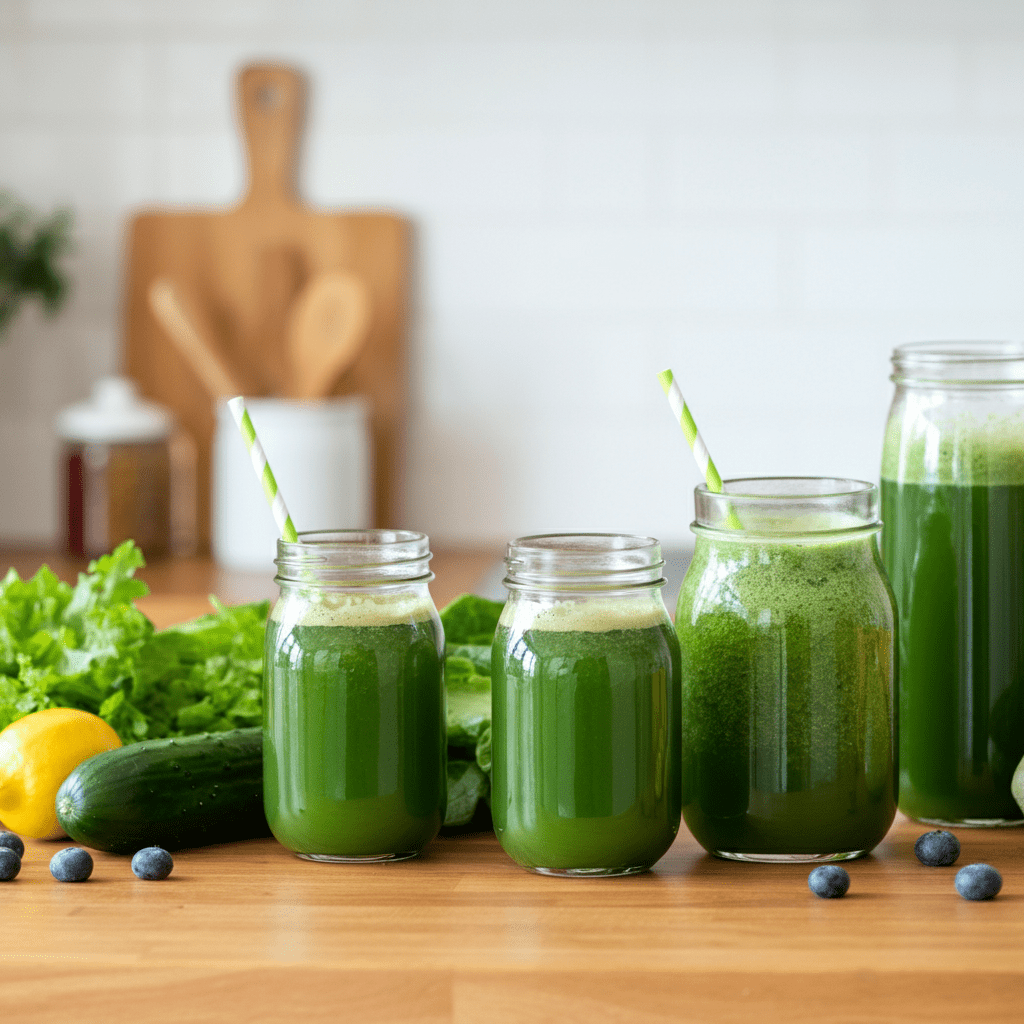
Detoxifying your body can seem overwhelming, but done correctly, it can revitalize your health and boost your energy. The key is a safe science-backed approach that nourishes your body, not starves it. This guide explains how to detox your body safely at home by supporting your liver, avoiding harmful toxins, and creating a sustainable plan. From liver-loving superfoods like beets and turmeric to a simple 7-day detox guide you can follow, you’ll get practical tips that fit into your daily life.
Bursting the myths along the way we will be addressing the fads of detox including extreme fasting and other detox regimes, and telling you what really works in stimulating lymphatic drainage, gut cleansing and cellular detoxification. Adopting a new healthy lifestyle, or simply wanting to preserve the results you already achieved, you can find evidence-based information launched in this guide to trust. The detoxification process is about to begin!
The Importance of Detoxification
Detoxification, or the process of eliminating toxins from the body, is a vital aspect of overall health and well-being. Our bodies are constantly exposed to harmful substances such as pollution, pesticides, processed foods, and chemicals in everyday products. These toxins can build up in our system over time and lead to various health issues.
While our bodies have natural detoxification processes through organs like the liver and kidneys, they can become overwhelmed with the amount of toxins we are exposed to. This is where intentional detoxing comes into play.
By giving our bodies a break from these harmful substances and providing it with proper nutrition, we allow our natural detoxification processes to work
Liver-Supportive Foods for Detox
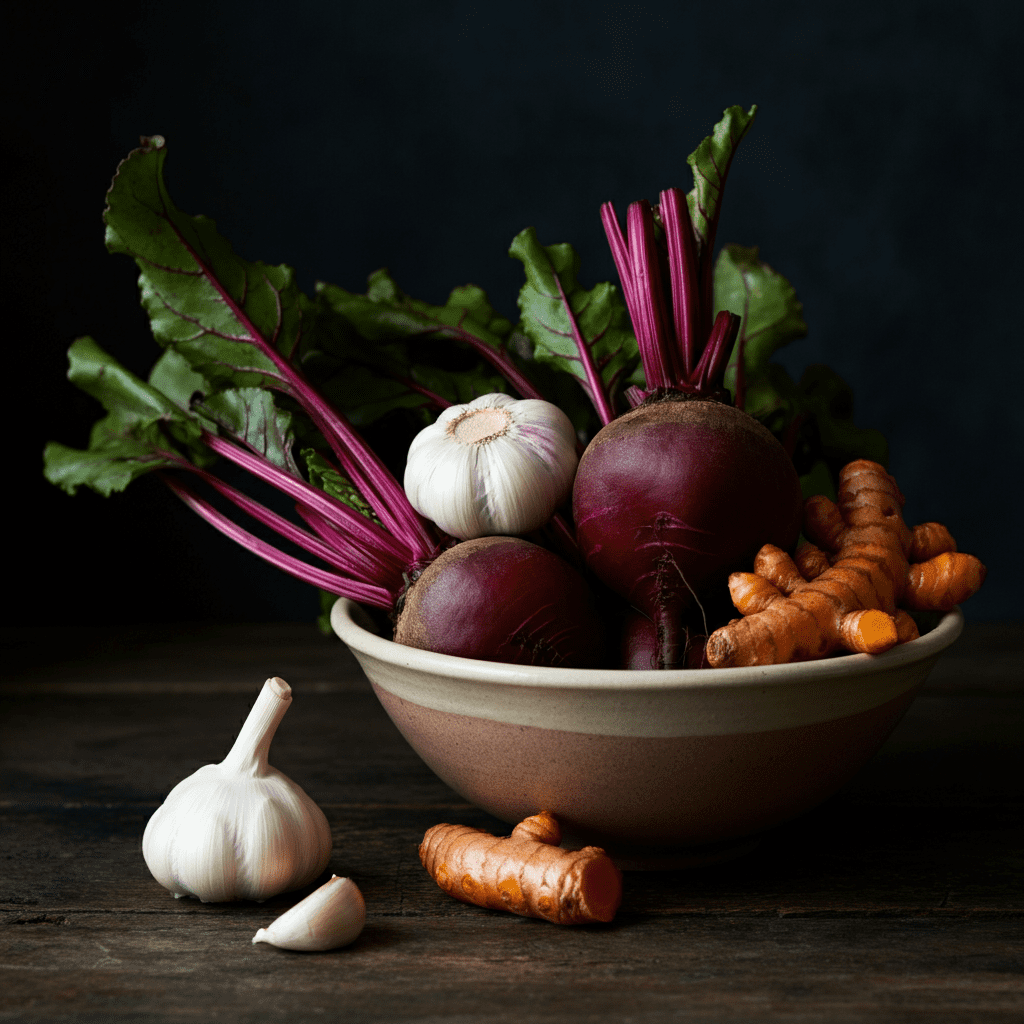
Your liver is your body’s powerhouse for detoxification. Supporting it with nutrient-dense foods can boost its efficiency and speed up the detox process. Here are three liver-friendly foods you should add to your routine:
1. Beets
Beets are rich in antioxidants, betalains, and nitrates, which help reduce inflammation and support liver function. They also help your liver break down toxins and flush them from your system. How to use: Roast beets for a salad, blend them into smoothies, or juice them for a daily detox drink.
2. Garlic
Garlic contains sulfur compounds that activate liver enzymes, helping your body eliminate toxins. It also has selenium, an essential mineral that boosts detoxification. How to use: Add minced garlic to stir-fries, soups, or salad dressings for a healthy dose of detox-supportive nutrients.
3. Turmeric
This golden spice contains curcumin, which stimulates the production of bile and helps your body break down fats and toxins. It’s also a potent anti-inflammatory. How to use: Sprinkle turmeric in your dishes, brew it in tea, or take it as a supplement.
Toxins to Avoid
Detoxification isn’t just about what you add—it’s also about what you avoid. Harmful toxins in your environment can hinder detox efforts. Here are common offenders and tips to minimize exposure:
1. BPA (Bisphenol A)
Found in plastics and food packaging, BPA disrupts hormones and can accumulate in the body. Tip: Use glass or stainless steel containers and avoid microwaving plastic.
2. Pesticides
Pesticides on your fruits and vegetables may harm your liver over time. Tip: Wash your produce thoroughly and choose organic whenever possible.
3. Processed Foods
Artificial additives and preservatives add to your body’s toxin load. Tip: Stick to whole, minimally processed foods to support natural detoxification.
A Simple 7-Day Detox Plan
This 7-day detox plan is designed to be gentle and effective, focusing on meals and practices that rejuvenate your body without extreme measures.
Day 1-2
- Breakfast: Green smoothie with spinach, banana, and a dash of spirulina.
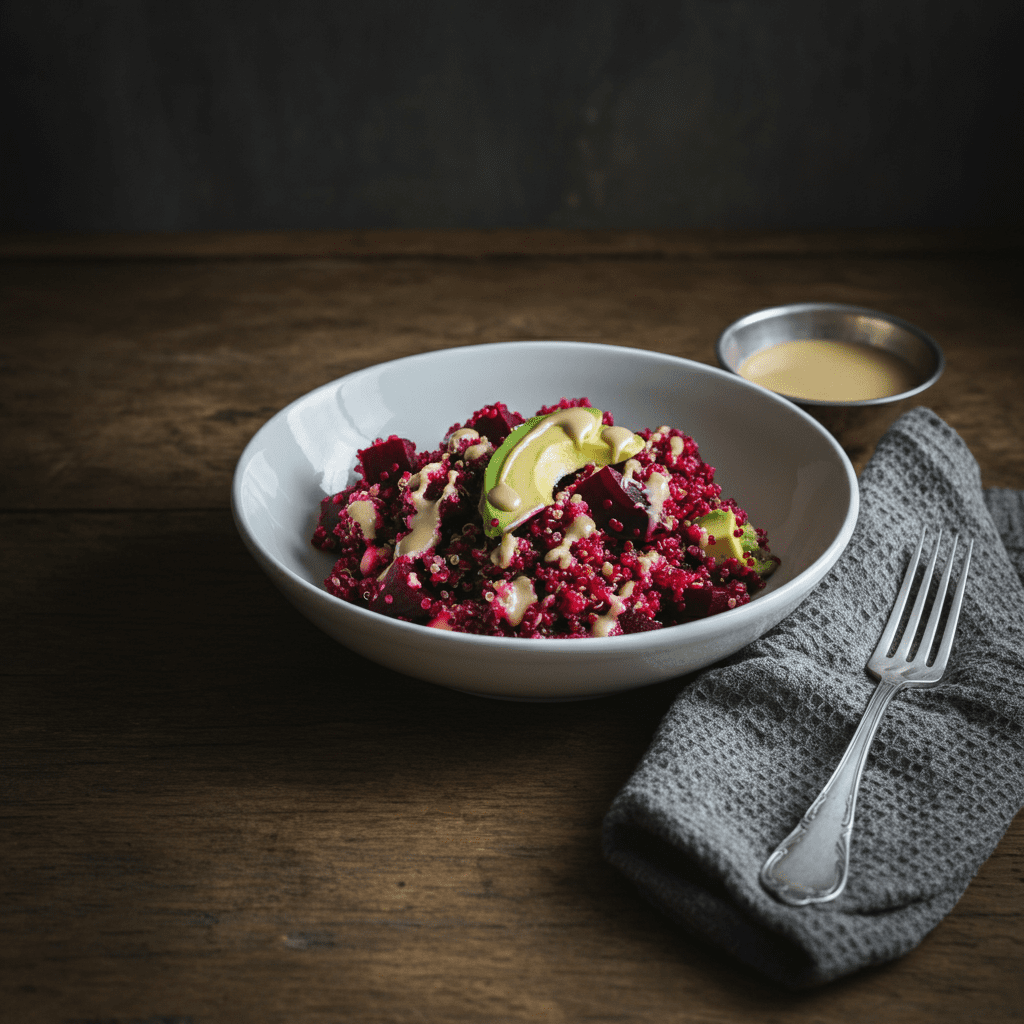
- Lunch: Quinoa salad with beets, avocado, and lemon-tahini dressing.
- Dinner: Baked salmon with steamed broccoli and turmeric-infused rice.
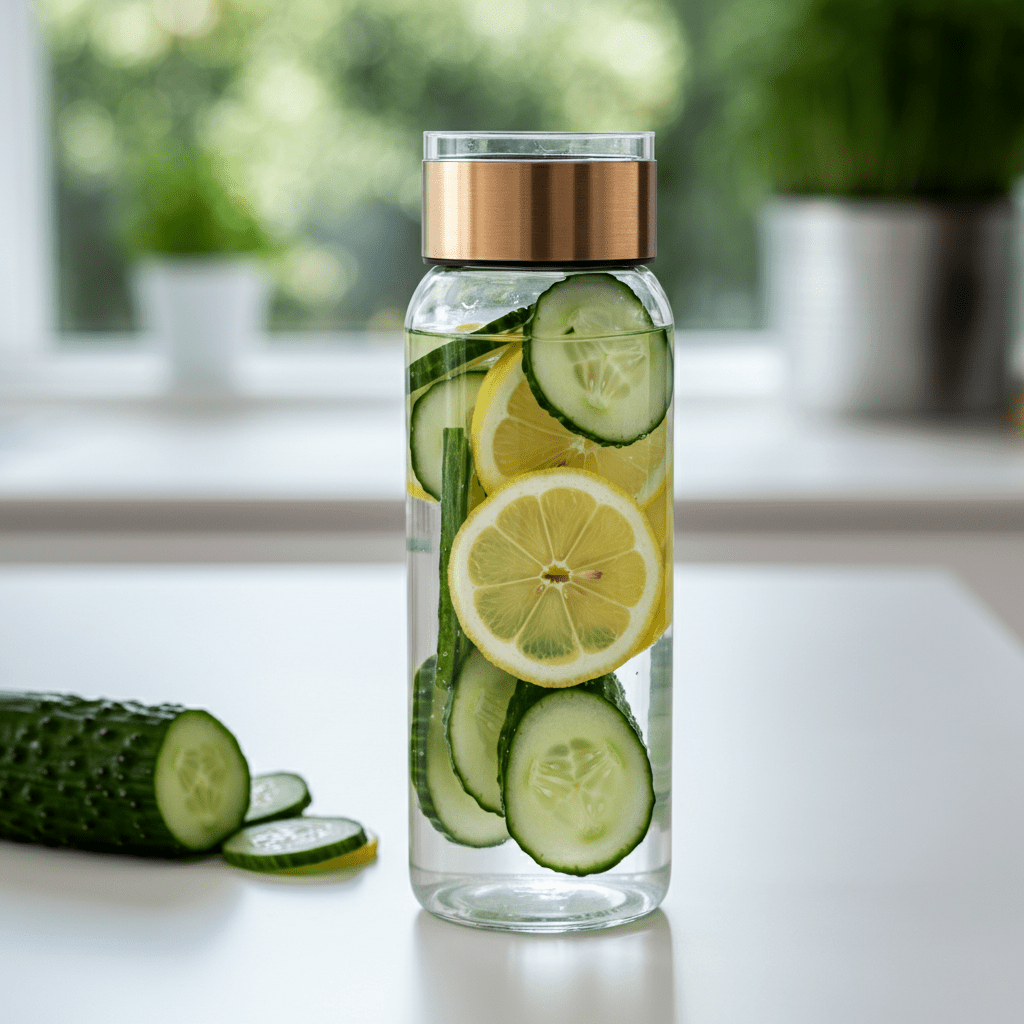
- Hydration: Aim for 2-3 liters of water daily, infused with cucumber or lemon for flavor.
Day 3-4
Introduce more fiber for gut cleansing.
- Breakfast: Overnight oats with flaxseeds and fresh berries.
- Lunch: Garlicky chickpea soup with fresh herbs.
- Dinner: Stir-fried tofu with garlic, turmeric, and stir-fry veggies on brown rice.
Day 5-6
Focus on hydration and lighter meals.
- Breakfast: Chia pudding with almond milk and mango.
- Lunch: Mixed greens topped with beets, roasted sweet potatoes, and tahini-lime dressing.
- Dinner: Zucchini noodles with garlic-tomato sauce and fresh basil.
Day 7
Ease back into a balanced diet.
- Breakfast: Fruit salad with a side of green tea.
- Lunch: Lentil and kale soup.
- Dinner: Grilled chicken breast with asparagus and quinoa.
Daily Practices: Add light exercise, meditation, and dry brushing to stimulate lymphatic drainage and boost circulation.
Myths vs. Facts
When it comes to detoxing, misinformation runs rampant. Here’s what you need to know:
Myth 1: Extreme Fasting is Necessary
Fact: Prolonged fasting can deplete your energy and harm your metabolism. A nourishing diet is more effective for detoxing.
Myth 2: Detox Teas Are a Quick Fix
Fact: Many detox teas are laxatives in disguise. They might reduce water weight temporarily, but they don’t remove toxins.
Myth 3: Sweating Removes Toxins Faster
Fact: While sweating is healthy, the liver and kidneys do the heavy lifting when it comes to toxin removal. Focus on hydration instead.
Maintaining Results Long-Term
A safe detox is just the first step. To keep your body healthy long-term, consider these tips:
1. Balanced Nutrition
Focus on whole foods rich in antioxidants, such as leafy greens, fruits, nuts, and seeds. Avoid processed foods and added sugars.
2. Regular Exercise
Physical activity not only supports overall health but also boosts circulation and lymphatic drainage, aiding your body’s detox systems.
3. Stay Hydrated
Drink plenty of water daily to help your kidneys flush out toxins effectively.
4. Stress Management
Chronic stress can overload your body with cortisol, which impacts detox processes. Practice mindfulness or yoga to keep stress in check.
5. Adequate Sleep
Sleep is your body’s prime detox time. Aim for 7-8 hours a night to allow proper cellular repair and recovery.
6. Limit Alcohol and Caffeine
Both alcohol and caffeine can put a strain on your liver and kidneys, hindering their ability to effectively detoxify the body. Limit your intake of these substances or opt for healthier alternatives like herbal teas or sparkling water.
7. Eat a Balanced Diet
Incorporating plenty of fruits, vegetables, whole grains, and lean proteins into your diet provides your body with essential nutrients necessary for optimal functioning and detoxification
People Also Ask Questions
Q1: What is the safest way to detox your body at home?
The safest way is through a balanced diet of nutrient-rich foods, proper hydration, and avoiding toxins like BPA and pesticides.
Q2: How long does it take to detox your body naturally?
It varies, but incorporating liver-supportive foods and hydration into your diet can show benefits within 7 days.
Q3: Can I detox my body without fasting?
Yes! A healthy detox focuses on nourishing meals, not deprivation, and includes practices like light exercise and good sleep.
Q4: What foods are best for detoxing the liver?
Foods like beets, garlic, and turmeric are excellent for supporting liver detoxification.
Q5: Are detox teas effective?
Most detox teas are not effective for real detoxification—they mainly serve as laxatives and don’t remove toxins.
Conclusion
Safe detoxing is the concept of feeding your body, making prudent decisions to prevent toxins, and making a long-term journey to wellness. You can ensure success by building liver-friendly foods, staying away from environmental toxins, and doing a basic 7- days quick fix program. The key? Detox is not a fad. Focus on something scientific and aimed at the improvement of your general well being.
Keep in mind that each of the small steps in the movement to healthier lifestyle counts. Detoxing does not have to be an overwhelming process, rather it should be all about striking the balance and giving your body what it needs once in a while. Be aware of your body, be regular and make healthy decisions and you should take care of yourself. Commit to the process and the patient will discover habits that will lead to a healthier life.
Take charge of your wellness today! Start your detox journey with these easy tips and feel the difference in your energy, clarity, and health.
M. Saim Akhtar
Certified Health Content Specialist at HealthBoostMax. INFS-qualified nutrition researcher with 5+ years of evidence-based health writing. Focus areas: health wellness Information, preventive medicine, nutritional biochemistry, and fitness science.
Content Points
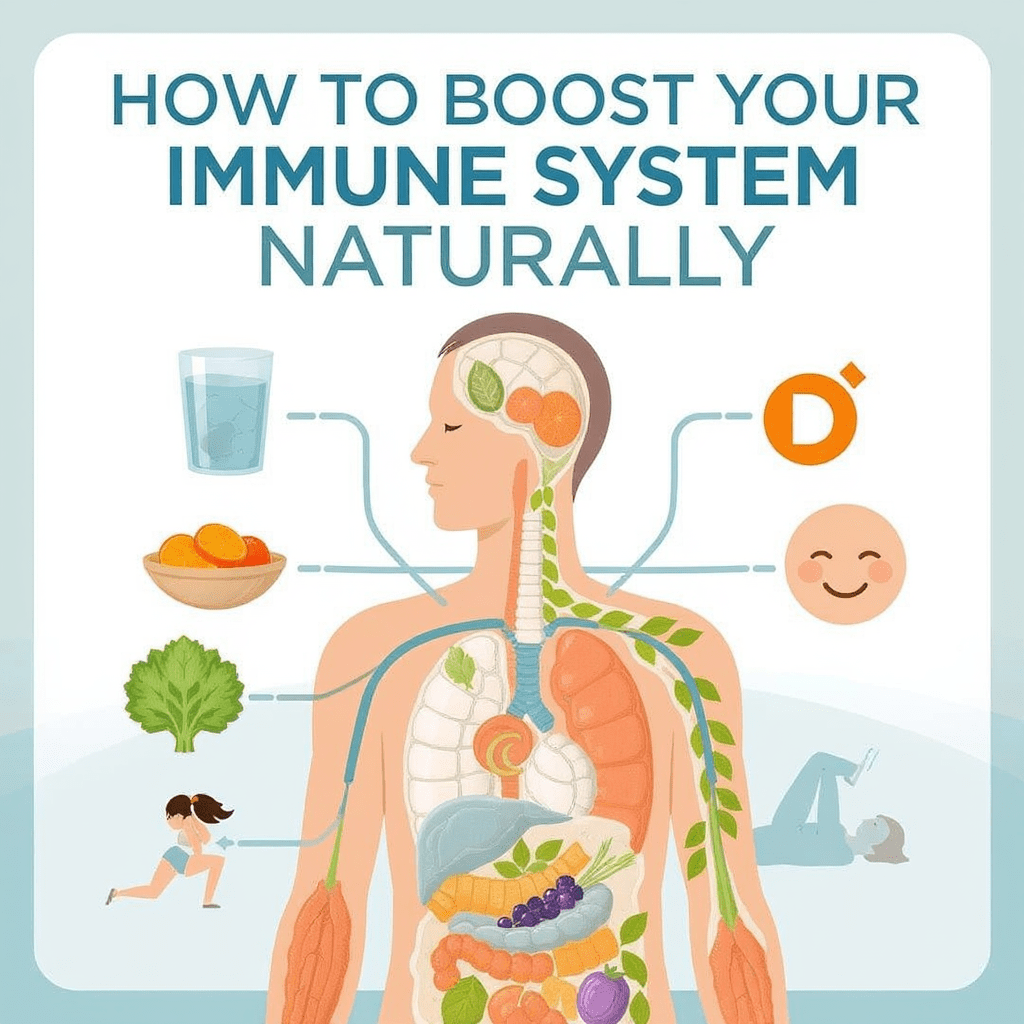
Your immune system boost is your first line of defense against illnesses, from the common cold to more serious infections. While modern medicine offers treatments and vaccines, many people turn to natural methods to keep their immune defenses strong. But how effective are these methods? Here’s your comprehensive guide to boosting immunity naturally, backed by science.
Some key factors play a significant role in fortifying your immune system. Vitamin D is critical for immune cell activation, helping your body respond effectively to potential threats. Ensuring adequate levels of Vitamin D, whether through sunlight or supplements, can make a noticeable difference. Probiotics, on the other hand, support the gut-immune axis by promoting beneficial gut bacteria, which are integral to overall immune function. Additionally, antioxidants, found in foods like berries, combat oxidative stress caused by free radicals, thereby protecting immune cells from damage. Finally, maintaining a healthy circadian rhythm ensures that proper sleep patterns are observed, as quality sleep is closely linked to immune efficiency and the ability to ward off infections.

Why Immunity Matters
Every year, seasonal illnesses like the flu and colds affect millions of people. According to health statistics, adults catch an average of 2–3 colds annually, while children can suffer from 6–8. Strengthening your immune system helps lower the risk of falling ill, reduce the severity of symptoms, and promote faster recovery.
There are two primary ways to improve your immunity:
- Natural Immunity Boosters like foods, supplements, and lifestyle changes, which help your body’s natural defenses.
- Artificial Boosters such as vaccines and medications, which target specific pathogens.
Natural boosters focus on enhancing your overall immune strength, making you better prepared for seasonal challenges. Below, we’ll explore key areas—from diet to daily routines—that can make a big difference.
Top Immune-Boosting Foods
A balanced diet plays a significant role in supporting your immune system. Here are some powerhouse foods packed with vitamins, minerals, and antioxidants:
1. Vitamin C Superstars
Vitamin C is crucial for white blood cell production, which combats infections. Foods high in Vitamin C include:
- Citrus fruits like oranges, lemons, and grapefruits
- Bell peppers, which contain more Vitamin C than oranges
- Strawberries and kiwis, two delicious alternatives for variety
2. Zinc-Rich Foods
Zinc is essential for immune cell function and inflammation reduction. Add these to your meals:
- Pumpkin seeds
- Lentils
- Chickpeas
- Cashews
3. Elderberry and Ginger
Elderberry is rich in antioxidants and may reduce the duration of cold and flu symptoms. Ginger, on the other hand, has anti-inflammatory effects that help soothe sore throats and calm nausea.
4. Probiotics for Gut Health
Did you know 70% of your immune system resides in your gut? Probiotics help maintain healthy gut bacteria, which is vital for strong immunity. Try these probiotic-rich foods:
- Yogurt (look for live cultures on the label)
- Kimchi and sauerkraut
- Kombucha tea
Lifestyle Changes for Immune Support
Diet is important, but your lifestyle choices carry just as much weight. Here are three impactful changes:
1. Sleep Optimization
Getting enough high-quality sleep strengthens your immunity. Sleep-deprived people are more prone to illness due to reduced production of infection-fighting molecules.
- Aim for 7–9 hours of sleep nightly.
- Incorporate bedtime rituals like dimming lights and avoiding screens.
- Consider natural melatonin aids like tart cherry juice or magnesium supplements.
2. Mastering Stress Reduction
Chronic stress suppresses immune cell activity, leaving you vulnerable to infections. Reduce stress with these science-backed practices:
- 5-minute meditation routine:
-
- Sit comfortably with your back straight.
- Close your eyes and focus on your breathing.
- Breathe in for 4 seconds, hold for 4 seconds, and exhale for 6 seconds.
- Engage in relaxing hobbies like yoga, journaling, or reading.
3. Daily Habits for Resilience
Simple habits can provide long-term benefits for a stronger immune response:
- Take cold showers to enhance circulation and lymphatic activity.
- Practice deep breathing exercises (e.g., diaphragmatic breathing) to improve oxygenation.
Even small adjustments can cumulatively protect and fine-tune your body’s defenses.
Best Supplements for Immunity
Supplements can bridge the gap if your diet isn’t meeting all your nutritional needs. Focus on these highly effective options:

1. Vitamin D
The “sunshine vitamin” regulates immune responses and helps fight respiratory infections. During winter months, when sunlight exposure is reduced, consider taking a daily supplement of 2,000 IU or as recommended by a healthcare provider.
2. Zinc
If you’re feeling under the weather, zinc supplements may reduce symptom duration. Look for zinc lozenges or tablets, ideally within the range of 15–25 mg/day.
3. Probiotic Supplements
For those who don’t consume enough fermented foods, high-quality probiotic capsules (with billions of active cultures) can promote a balanced gut microbiome.
Note that while supplements can be helpful, they should complement—but never replace—a healthy diet.
Common Mistakes That Harm Immunity
Mistakes in your quest for better immunity may reduce your body’s ability to fight infections. Avoid these pitfalls:

- Overloading on Supplements
Taking excess Vitamin C or zinc won’t make you invincible; it might cause side effects like stomach upset.
- Ignoring Gut Health
An unhealthy gut disrupts mucosal immunity, undermining your natural defense system. Make gut-friendly choices, such as reducing sugar intake and eating fiber-rich vegetables.
Prioritize sustainable, balanced habits over quick fixes to keep your immune health on track.
Post-illness Recovery Tips
Falling sick once in a while is inevitable, but bouncing back matters most. Use these recovery strategies:
- Focus on hydration to flush out toxins. Opt for water, herbal teas, and bone broth.
- Rebuild energy with immune-boosting foods like leafy greens and lean protein.
- Incorporate gentle exercises, like stretching or walking, to stay active without overexertion.
- Strengthen mucosal immunity with probiotics to repair gut health damaged post-illness.
- Prioritize restorative sleep to allow your body to fully recharge and heal. Aim for 7-9 hours of quality sleep per night.
- Manage stress with relaxation techniques such as deep breathing, meditation, or yoga, which can support overall recovery.
- Gradually return to your normal routine, listening to your body and adjusting as needed to avoid setbacks.
- Stay consistent with hydration and nutrient-rich meals for sustained energy and immunity.
Gradual steps toward restoring your energy will prepare your immune system for future challenges.
People Also Ask
1. What foods strengthen your immune system?
Citrus fruits, bell peppers, and ginger are rich in immune-boosting nutrients like Vitamin C. Probiotic-rich foods also support gut health, which is key to immunity.
2. How does sleep affect immunity?
Sleep is crucial for immune function. During sleep, your body produces molecules like cytokines, which help combat infections and reduce inflammation.
3. Can stress weaken your immune system?
Yes, chronic stress lowers immune cell activity, making you more vulnerable to infections. Reduce stress with meditation, exercise, or hobbies.
4. Is Vitamin D effective for immune support?
Vitamin D plays a role in immune regulation and respiratory health. A daily supplement can be helpful, especially during winter months.
5. How do probiotics help immunity?
Probiotics enhance gut microbiome health, which in turn strengthens mucosal immunity and helps fight pathogens. Look for probiotic-rich foods or supplements.
By integrating nutrient-rich foods, mindful lifestyle practices, and targeted supplements, you’ll be well on your way to maintaining a robust immune system!
Conclusion
Strengthening your immunity naturally isn’t about shortcuts or fads—it’s about consistent, small changes that make a big impact over time. Whether you’re enjoying a citrus-filled smoothie, meditating to ease stress, or building a better sleep routine, each action adds to your overall defense against illness.
Remember, your immune system is a complex network that thrives on balance and long-term care. Avoiding harmful habits, such as smoking or excessive alcohol consumption, while incorporating positive lifestyle changes, can significantly enhance your body’s ability to ward off illness. Staying proactive with your health not only boosts your immunity but also improves your overall quality of life. Each step you take creates a stronger foundation for resilience, ensuring you’re better prepared for whatever challenges come your way.
Take the next step now—download our free immunity meal plan full of recipes and tips to keep you healthy year-round!
M. Saim Akhtar
Certified Health Content Specialist at HealthBoostMax. INFS-qualified nutrition researcher with 5+ years of evidence-based health writing. Focus areas: health wellness information, preventive medicine, nutritional biochemistry, and fitness science. Content is for informational purposes only!

Natural remedies for chronic sinus infection related to low immunity 2025

Best post-workout routine to prevent exercise-induced immune suppression2025

5 Breathing Techniques to Calm Your Nervous System and Boost Immunity

Best Foods to Boost Testosterone Naturally in 2025

How to Boost Your Immune System Naturally (2025)

Top Superfoods for Energy in 2025 – Boost Your Vitality

-
 Healthy Lifestyle & Nutrition7 months ago
Best Foods to Boost Testosterone Naturally in 2025
-
 Healthy Lifestyle & Nutrition6 months ago
How to Boost Your Immune System Naturally (2025)
-
 Healthy Lifestyle & Nutrition6 months ago
Top Superfoods for Energy in 2025 – Boost Your Vitality
-
 Disease Prevention & Health Tips7 months ago
COVID Vaccine Heart Risk Warnings and Safety Update in 20025
-

 Fitness & Exercise6 months ago
Healthy Meal Plans for Men | 3,000-Calorie Muscle-Building Ultimate Guide
-

 Fitness & Exercise7 months ago
Simple Exercises to Boost Flexibility with Arthritis
-

 Men’s & Women’s Health6 months ago
How to Balance Hormones Naturally for Women | Ultimate Hormone Balance Guide (2025)
-

 Natural Remedies & Herbal Treatments6 months ago
Natural Strategies to Lower Cholesterol – Expert Guide2025
-

 Healthy Lifestyle & Nutrition6 months ago
How to Detox Your Body Safely at Home in 2025
-

 Mental Health & Wellness6 months ago
Quick Stress Relief Techniques for Instant Calm(2025)