
Mental Health & Wellness
Nature therapy benefits for Stress, Depression and Anxiety in 2025


Table of Contents
Natural environments hold therapeutic power, offering profound mental health benefits. For individuals struggling with depression, nature therapy acts as a gentle yet impactful remedy. From dose-dependent exposure in forest bathing to accessible urban green spaces, these natural interventions are gaining scientific recognition. Furthermore, mechanisms such as phytochemical inhalation, circadian rhythm resetting, and personalized approaches—be it group or solo protocols—bring multifaceted healing potential.
For city dwellers especially, the lack of direct connection to nature presents unique challenges. Adaptations such as biophilic design and the use of negative air ionization systems can bridge this gap. This article explores the intricate interplay of nature and mental wellness, focusing on practical applications while considering seasonal factors and ecotherapy dosage for optimal outcomes.

Understanding Dose-Dependent Nature Exposure
Nature’s benefits are proportional to the extent and frequency of exposure. This concept, termed “dose-dependent exposure,” emphasizes the quantity and quality of time spent in natural surroundings. Studies reveal that individuals engaging with green spaces for at least 120 minutes per week report better mental health outcomes, with significant improvements in mood and reduced symptoms of depression.
Variables such as location (urban vs. rural), exposure type, and integration into daily routines can affect the outcomes. Forest environments, in particular, amplify these benefits due to their rich biodiversity and abundant phytochemical compounds.
Forest Bathing and Its Healing Scope
Originating in Japan as “Shinrin-yoku,” forest bathing immerses individuals in forest ecosystems, lowering cortisol levels and improving emotional resilience. This practice involves slow, mindful walks in natural settings to engage the senses, focusing on the sights, smells, and sounds of the forest.
Mechanisms Driving Forest Bathing’s Effectiveness
- Phytochemical Exposure
Trees release aromatic compounds called phytoncides, which help fortify the immune system and reduce oxidative stress. Research highlights that inhaling these compounds can promote the activation of Mycobacterium vaccae, a naturally occurring bacterium that boosts serotonin production and mitigates depressive symptoms.
- Negative Air Ionization
Forest environments are rich in negative ions, which interact with serotonin levels to improve mood and energy. These ions also help alleviate symptoms of anxiety, setting forest bathing apart as a uniquely effective ecotherapy intervention.
Urban Green Spaces and Accessibility
For urban residents, access to expansive natural spaces may seem limited. However, small green oases—parks, rooftop gardens, and even tree-lined streets—can significantly impact mental health. These areas provide microdosages of nature therapy, preventing isolation and fostering a biophilic connection to the environment.
Biophilic Design and Innovative Solutions
The rise of biophilic architecture integrates natural elements into urban landscapes, making mental-health-enhancing nature more accessible. Features such as living walls, indoor plants, and water features replicate the therapeutic aspects of larger ecosystems in compact urban areas.
Equity in Accessibility
Ensuring urban green spaces are spread equitably across neighborhoods is crucial for creating inclusive wellness strategies. Individuals from underserved communities often face disparities in access, amplifying mental health challenges. Addressing these systemic gaps can bring wide-reaching benefits.
Phytochemical Mechanisms in Nature
Plants and trees emit multiple bioactive compounds that exert calming, anti-inflammatory, and neuroprotective effects. Phytoncides, terpenes, and other volatile organic compounds (VOCs) directly affect neurological and immune pathways.

How Phytochemicals Combat Depression
- Enhanced Immune Function: Exposure to natural VOCs, such as pinene and limonene, stimulates cytokine activity and immune regulation.
- Neurotransmitter Balance: The inhalation of mycobacterium vaccae releases anti-inflammatory cytokines, which elevate serotonin levels, stabilizing mood.
Circadian Rhythm Resetting through Nature
Circadian rhythm disruptions frequently accompany depression, exacerbating fatigue and erratic sleep schedules. Exposure to natural light cycles—especially during forest bathing sessions—helps recalibrate internal clocks. Morning sunlight, filtered through dense canopies, provides optimal benefits by boosting melatonin regulation and synchronizing the circadian phase.
Personalized Protocols for Group vs. Solo Activities
Tailoring ecotherapy experiences is essential for maximizing its antidepressant effects. Studies indicate that group nature therapy sessions foster communal bonds and reduce feelings of loneliness, while solo forest bathing builds individual mindfulness and introspection.
Group Protocol Benefits
- Enhanced social interaction
- Motivation through shared activities
- Combating isolation
Solo Protocol Benefits
- Deep meditative states
- Personalized emotional processing
- Freedom from social distractions
City-Specific Adaptations and Seasonal Challenges
Adapting nature therapy to urban environments requires careful planning. Urban residents can benefit by integrating short, frequent green space visits into daily routines, despite the absence of vast forests.
Overcoming Seasonal Barriers
- Winter Strategies
Incorporate indoor biophilic elements and maximize daylight exposure during limited sunlight periods. Using spaces rich in negative ions (e.g., near fountains) helps support mental health.
- Summer Approaches
Schedule outdoor time during cooler parts of the day and choose shaded environments to avoid heat-related stress.
The Right Dose of Ecotherapy
Achieving measurable antidepressant effects requires consistent and sufficient exposure to natural environments. Evidence suggests two to four hours weekly is the optimal “ecotherapy dosage” for city dwellers. Mixing formal practices, such as forest bathing, with casual encounters in urban green spaces ensures sustainable mental health benefits.

Benefits Beyond Mental Health
While the mental health advantages of spending time in nature are well-documented, the benefits extend far beyond psychological well-being. Immersing yourself in natural environments has been shown to lower blood pressure, reduce stress hormone levels, and boost immune function. Additionally, regular engagement with green spaces is linked to improved sleep quality and enhanced cognitive performance, particularly in tasks requiring focus and memory. By fostering a deeper connection with nature, individuals can experience a holistic enhancement to their physical and mental resilience.
Nature Therapy for Anxiety and Stress
Nature therapy is not only beneficial for depression but also proves highly effective in managing anxiety and stress. Spending time in green spaces reduces cortisol levels, slowing the body’s stress response and promoting a sense of calm. Activities like walking in a forest, gardening, or simply sitting in a park can enhance mindfulness, allowing individuals to focus on the present moment and escape the cyclical thoughts that often accompany anxiety.
Research suggests that exposure to nature can lower heart rates, decrease blood pressure, and improve overall mood. For those facing chronic stress, integrating nature therapy into daily life can act as a natural reset, fostering resilience against future stressors. Combined with relaxation techniques like deep breathing or meditation, time outdoors becomes a powerful tool for improving mental well-being.
Frequently Asked Questions
1. What is nature therapy’s role in treating depression?
Nature therapy enhances mood, mitigates stress, and reduces inflammation by leveraging natural elements and exposure to natural environments.
2. How do forests help mental health?
Forests provide a unique combination of phytoncides, negative ions, and sensory engagement, helping to lower cortisol levels and promote serotonin production.
3. Can city dwellers access nature therapy effectively?
Yes, urban green spaces, rooftop gardens, and biophilic design adaptations offer city dwellers feasible alternatives to prolonged forest exposure.
4. What is the recommended dose for ecotherapy?
For optimal benefits, aim for 2–4 hours of weekly nature exposure, broken into manageable sessions.
5. What are some indoor adaptations for seasonal barriers?
Indoor plants, biophilic design elements, and natural light simulators effectively replicate some therapeutic aspects of outdoor environments.
6. Are group nature sessions better for depression recovery?
This depends on personal preference. Groups encourage social interaction, while solo sessions foster introspection and mindfulness.
Final Thoughts
Nature therapy offers an unparalleled antidote to depression, blending mindfulness, biochemical interactions, and circadian alignment to support mental health. Whether through forest immersion or urban green spaces, individuals can tailor their ecotherapy practices to fit personal lifestyles and seasonal challenges. The key is to go slow and pay attention to sensory experiences, from the feel of bark underfoot to the sound of birdsong in the air. Over time, ecotherapy can help individuals break free from negative thoughts, cultivate a sense of calm and balance, and foster overall well-being.
So go ahead and take that walk in the park or spend an afternoon gardening – your mind will thank you! Instead of relying solely on medication or traditional therapy methods for treating depression, consider incorporating nature therapy into your routine. It may just be the missing piece to your mental health puzzle. Remember to start small and gradually build up your practice as you become more comfortable with it. With patience and consistency.

M. Saim Akhtar
Certified Health Content Specialist at HealthBoostMax. INFS-qualified nutrition researcher with 5+ years of evidence-based health writing. Focus areas: health wellness Information, preventive medicine, nutritional biochemistry, and fitness science.

Table of Contents
You have just killed a hard work out. You are confident of achievement, strong and willing to conquer the world. However, what would happen should that same training which makes you stronger, also happen to temporarily lower the defenses of your body? It is not merely a possibility the phenomenon is documented in the exercise science. It is critical to challenge yourself but in the absence of a smart recovery plan, you will risk undermining your immune system, which will place you at a risk of illness and undermine your fitness ambitions. This plan is an action plan that specifically outlines the steps to follow so that you can safeguard your health and maximize benefits.
This does not mean that one should train less, but recovers smarter. The idea of the open window We will discuss the idea of the open window which is a critical period that occurs after exercise in which your immune system is suppressed temporarily. More to the point, you will get to know an accurate, time-based healing regimen to close that open to end in a very short period of time. When you concentrate on what you do in few minutes to hours and days after the exercise, you will have a strong body that is not only functioning optimally but also maintaining good health throughout the year. It is the key to immune suppression prevention after the workout, and every drop of sweat will guarantee sustainable progress.
Understanding the “Open Window”: Your Post-Workout Vulnerability
Imagine your immune system as a team of security guards patrolling your body. After an intense or long workout, many of these guards are temporarily reassigned to help with muscle repair and inflammation control. This creates a brief period, known as the “open window” where your defenses are down.

This theory, central to exercise immunology, suggests that for a period of 3 to 72 hours after strenuous exercise, your body’s ability to fight off pathogens is reduced. During this time, key immune cells like lymphocytes and natural killer cells are lower in number and less effective. This doesn’t mean you’ll automatically get sick after every hard session, but it does mean your risk is elevated. Factors like training intensity, duration, and your personal recovery protocol play a huge role in how wide this window opens and how long it stays open. The goal of this blueprint is to minimize that period of vulnerability.
The Immunity-Focused Recovery Protocol: A Phase-by-Phase Guide
Your recovery starts the second your workout ends. By strategically timing your nutrition and recovery practices, you can slam the open window shut and kickstart the adaptation process.
Phase 1: The Critical 0–30 Minute Window
This is your first line of defense against post-workout immune suppression. Your body is primed for nutrient absorption, and immediate action is crucial.
- Priority 1: Immediate Hydration: You’ve lost significant fluids through sweat. Dehydration is a physiological stressor that can exacerbate immune suppression.
- Actionable Goal: Drink 16–24 ounces (approximately 500–700 ml) of fluid for every pound (0.5 kg) of body weight lost during your session. If you don’t weigh yourself, aim for at least 20 ounces immediately post-workout. Adding an electrolyte tablet or powder can enhance rehydration.
- Priority 2: Rapid Glycogen Replenishment: Your muscle glycogen (stored carbohydrate) is depleted. Replenishing it quickly signals to your body that the “famine” is over, reducing the production of stress hormones like cortisol that suppress immune function.
- Actionable Goal: Consume 1.0–1.2 grams of easily digestible carbohydrates per kilogram of body weight. For a 150 lb (68 kg) person, this is 68–82 grams of carbs. Think simple sugars found in fruit, juice, or a sports drink.
- Priority 3: Initiate Muscle Repair with Protein: While carbs are the priority, a small amount of protein helps kickstart muscle protein synthesis and provides amino acids that support immune cells.
- Actionable Goal: Aim for a carbohydrate-to-protein ratio of 3:1 or 4:1. For our 68 kg athlete consuming 75g of carbs, this means adding about 20–25 grams of protein. A simple whey or plant-based protein shake mixed with a banana and fruit juice is perfect.
Phase 2: The 1–2 Hour Window
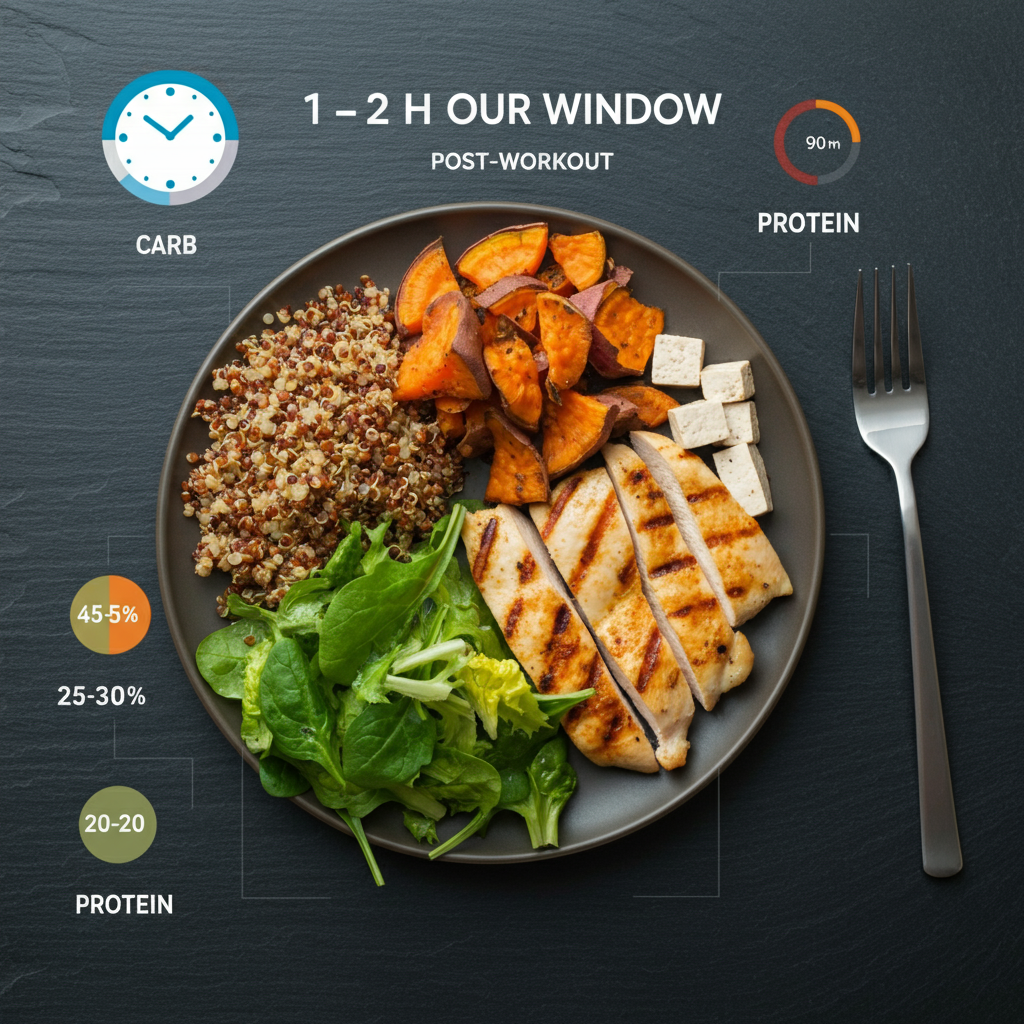
Within two hours of finishing your workout, your focus shifts from rapid-fire refueling to a complete, balanced meal. This meal solidifies your recovery, stabilizes blood sugar, and provides the sustained building blocks your body needs.
- Focus: A Whole-Food, Nutrient-Dense Meal: This meal should contain a mix of complex carbohydrates, high-quality protein, and healthy fats.
- Complex Carbohydrates: These provide a sustained energy release to continue topping off glycogen stores. Aim for sources like quinoa, brown rice, sweet potatoes, or whole-wheat pasta. Portion Size: 1–2 cupped handfuls (approx. 40–60g of carbs).
- Lean Protein: Essential for repairing muscle tissue and manufacturing new immune cells. Choose sources like grilled chicken breast, salmon, lean beef, tofu, or lentils. Portion Size: 1 palm-sized portion (approx. 25–40g of protein).
- Healthy Fats & Vegetables: Fats are crucial for hormone production and reducing inflammation. Colorful vegetables deliver a powerful dose of antioxidants to combat exercise-induced oxidative stress. Aim for avocado, nuts, seeds, and at least two fistfuls of varied, colorful vegetables.
Key Supplements for Immune Support
While a food-first approach is always best, certain supplements have shown promise in supporting the immune system of athletes.
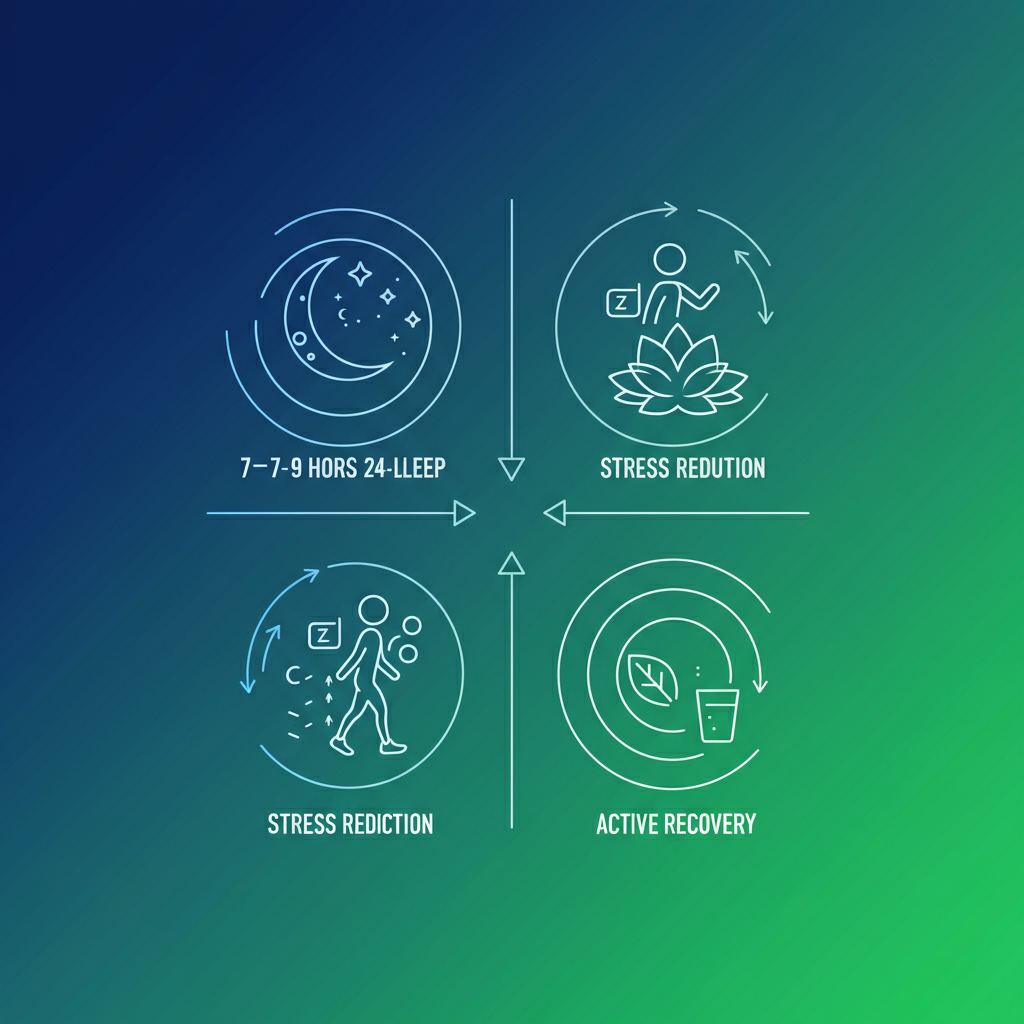
- Glutamine: This amino acid is a key fuel source for immune cells. Intense exercise can deplete glutamine levels. While research is mixed, some studies suggest that supplementing with glutamine post-exercise may help maintain immune function. The scientific consensus is that it’s safe for most athletes, but its direct impact on preventing illness is still debated.
- Omega-3 Fatty Acids: Found in fish oil, these fatty acids have potent anti-inflammatory properties. By helping to resolve the inflammation caused by intense exercise, they may indirectly support immune health and reduce muscle soreness. The evidence for omega-3s is strong, and they are considered a safe and beneficial supplement for general health.
Disclaimer: Always consult with a healthcare professional before starting any new supplement regimen.
Sample Post-Workout Meal Plans (1–2 Hour Window)
Here are three sample meals designed to meet recovery needs for different dietary preferences.
- Omnivore Recovery Plate
- Meal: 6 oz grilled salmon, 1 large sweet potato (baked), 1 cup steamed broccoli with a drizzle of olive oil.
- Approximate Macros: 650 calories, 45g protein, 70g carbohydrates, 20g fat.
- Vegetarian Recovery Bowl
- Meal: 1.5 cups cooked quinoa, 1 cup black beans, 1/2 avocado, bell peppers, onions, and a scoop of Greek yogurt (or a dollop of sour cream).
- Approximate Macros: 620 calories, 30g protein, 85g carbohydrates, 18g fat.
- Vegan Recovery Scramble
- Meal: 1 block of firm tofu scrambled with turmeric and black salt, sauteed with spinach and mushrooms, served with 2 slices of whole-grain toast and 1/2 avocado.
- Approximate Macros: 600 calories, 35g protein, 65g carbohydrates, 22g fat.
People Also Ask (PAA)
- What is the duration of immune suppression following a severe exercise?
Immune suppression takes a period of between 3 and 72 hours depending on the availability of an open window. This will vary depending on the intensity and duration of exercise, the fitness of the person and his/her recovery. This vulnerability can be reduced greatly by a well-implemented recovery.
What is the indication of overtraining?
Symptoms of the state of overtraining are frequently mixed with immune suppressions and comprise such symptoms as persistent muscle aches, increased resting heart rate, frequent infections (colds, infections), worse performance, mood swings or irritability, anorexia, and fatigue.
Is it possible to overpower the immune system?
To the general population, increasing the immune system is a commercial expression. It is aimed at nurturing a well-balanced and functioning immune system. There is no such thing as a stronger immune system by taking too much of some vitamins or supplements and it can be detrimental. The keys to healthy immune functioning are a balanced diet, sleep and stress management.
Is moderate exercise deadening the immune system?
No, quite the opposite. Moderate exercise that is done on regular basis is one of the most effective ways to make your immune system strong in the long term. It enhances the circulation and functioning of immune cells. Only long- and strenuous workouts in the absence of relaxation lead to the temporary immunosuppression after the workout.
Does vitamin C prevent sickness after the exercise?
Although vitamin C is an important antioxidant to the body in general, studies have not demonstrated that large doses of this vitamin used immediately after exercise can avoid illness in the majority of athletes. The best method is to obtain enough vitamin c in your daily meal by consuming whole fruits, berries and leafy greens as a source of vitamin C.
Conclusion
The dedication that you have put in training should be rewarded by a plan of recovery that keeps your health safe and your results as high as possible. There is nothing to prevent post-workout immune suppression other than appreciating the idea of the recovery process that enables your body to develop and become stronger. Embracing this blueprint based on immunity, which means fueling up on a meal as fast as you can, a balanced meal, sleep, stress management, all of these will make a resilience environment.
You shut the, so-called, open window and make a time of weakness one of the strengths of adaptability. Discipline in your workouts should be applied to your recovery. This well-disciplined strategy keeps you in the game and you are always adding up to the progress without the hindrance of sickness. Now, go and put this plan into action and make a body that literally cannot be broken.
M. Saim Akhtar
Certified Health Content Specialist at HealthBoostMax. INFS-qualified nutrition researcher with 5+ years of evidence-based health writing. Focus areas: health wellness Information, preventive medicine, nutritional biochemistry, and fitness science.

Table of Contents
Workout is much more than that, which helps physical health find a way around. It is also a remedy to mental well-being. Be it a runner high or a collective yoga session, frequent exercise can change your brain in some new and amazing methods. Whether it is to diminish anxiety or stimulate mood, the science is apparent, movement makes the difference. Studies indicate that when a neurogenesis exercise threshold (150 minutes a week) is reached, it is a critical point, as it can have a powerful influence on such important neurotransmitters as GABA and glutamate, making them more balanced between stress and promotion of calmness. It also maximizes your cortisol curve, helps burnout, and makes you more resilient. More exciting is the exercise euphoria people have after such a physical activity, which is shown by the millions who have mental health advantages starting on the run.
You may ask me how it works. And what are the best ways to maximize this? Here, we will examine the protective mechanisms relating to exercise and its contribution to mental health: both the biochemical processes and social processes can be seen as contributing to mental health. These are also presented in a practical way, which can help a person view exercise as a less uncomfortable task and a more enjoyable way of benefit.
How 150 Minutes/Week Alters GABA and Glutamate Levels
Regular exercise of at least 150 minutes per week—Neurogenesis is an important factor in brain chemistry. Regular exercise of at least 150 minutes per week, which is the accepted threshold of neurogenesis exercise level, is critical. Physical activity directly influences GABA (gamma-aminobutyric acid) and glutamate, which are two of the most important neurotransmitters.
Balancing Brain Chemistry
GABA is the relaxing neurotransmitter of the brain that lowers stress levels and other anxieties, while glutamate helps improve the thinking ability and memory recalling power. Exercise increases the production of GABA, and this leads to relaxation and lessening of the signs of anxiety. At the same time, the levels of glutamate in the body increase, providing better concentration and brain efficiency in general. According to studies, regular aerobic exercises such as running, swimming or cycling have been reported to raise these neurotransmitters to an overwhelmingly high degree-efficacious, especially on the part of the participants, whereby they feel both relaxed and mentally alert.
Factoring in Time and Intensity
The dose-response relationship is key. Moderate yet consistent effort—30 minutes of activity spread across five days—helps you achieve the desired outcomes. Overdoing intensity, however, can lead to counterproductive stress spikes that increase cortisol levels instead of calming them.
Pro Tip:
Focus on activities you enjoy to make it sustainable. For example, brisk walking paired with stretching routines can gradually help your body reach the ideal biochemical state.
Trauma-Informed Movement
Mental and emotional trauma-informed movement is gaining significance in the inclusion of mental and emotional healing to physical exercise. These are ways to respectfully consider the historical traumas, with the movement as a healing source.
Understanding the Stress-Cortisol Connection
Trauma survivors have a hyperactive cortisol curve, which is the cycle of stress hormone that would impede relaxation. Exercises such as yoga or tai chi are gentle and control the levels of cortisol, helping the mind and body relieve stress stored up. This will be achieved by keeping the participants mindful of their exercises, which would strengthen their security and control of their body and reactions.
- Advantages of Mindful Movement
- Lowers posttraumatic hypervigilance
- Makes you introspective and centered
- Contributes to restoring the confidence in body
Small Steps Lead to Big Wins
And there is no optimal strategy. There are days of sitting meditation and days of a creative dance session. The trick is to listen to what your inner comfort zone is, and gradually increase that scope.
The Biochemistry of Runner’s High
The fabled runner’s high isn’t a myth—it’s a measurable phenomenon linked to endorphins and the endocannabinoid system (ECS).
What Happens in the Brain?
In the process of long cardio exercise, your body can produce endorphins, which are natural pain relievers. At the same time, ECS is involved, which forms compounds that resemble cannabis. All of them, in tandem, introduce the feelings of happiness, contentedness, and even short-lived euphoria.
This exercise only suits runners?
Absolutely not. There is no need to go marathoning to find this chemical sweet spot. These benefits are also available when activities such as biking, aerobics or swimming are engaged in moderate levels over a period of 30-45 minutes. New people can achieve their first highs within a few weeks of regular practice.
Biological Rewards
Aside from mood, the runner’s high improves focus and promotes an anti-inflammatory response throughout the brain and body, providing holistic mental clarity.
Strength in Numbers: Understanding Social Connection Metrics
Our mental health thrives not only on neurotransmitters but also on the relationships we nurture. Exercising in groups adds meaningful layers of connection that go beyond fitness goals.
Being Part of a Community
Studies show that collective physical activities like group classes or team sports improve not just mood, but also social connection metrics—a key determinant in mental health. Being part of a supportive group reduces loneliness, while amplifying accountability.
Key Advantages of Group Training
- Support and Motivation: Encouragement keeps you moving on days when motivation falters.
- Shared Goals: Achievements feel bigger when celebrated together.
- Enhanced Dopamine Release: Social bonding in group settings enhances the brain’s reward system, adding to feelings of accomplishment.
Solo Exercise vs. Group Dynamics
While solo exercise offers mindfulness and independence, combining these activities with occasional group sessions ensures a dynamic balance of personal growth and community support.
Tips for Choosing the Right Exercise Approach
The choice of individual exercising, group exercise, or a mixture of these two options depends on your objective, your will and the lifestyle you have. The following are some tips to guide you in making the best choice:
- Assess Your Goals: If your aim is to improve focus, discipline, or mental clarity, solo workouts may be ideal. For those looking to build social connections or stay motivated, group activities could be a better fit.
- Experiment with Both: Sometimes, the best way to find what works is to try both options. Alternate between individual and group exercises to discover what you enjoy most.
- Consider Your Schedule: Time constraints and daily routines can influence your choice. Solo workouts provide flexibility, while group settings often require scheduling but offer added accountability.
- Listen to Your Body and Mind: Your energy levels and mental state can vary day to day. On some days, you might crave solitude, while on others, you’ll thrive in the company of others.
Ultimately, the key is finding a balance that keeps you engaged, motivated, and progressing toward your fitness goals.
FAQs
- What is the threshold of neurogenesis exercises?
The exercise threshold of neurogenesis is the standard of 150 minutes of moderate physical activity per week, which causes the growth of brain cells and regulation of neurotransmitters. - What is the effect of exercise with regard to reducing cortisol?
The endorphins are released during an exercise triggering the relaxation and normalization of the cortisol curve, and the nervous system interprets the message to down regulate the level of stress hormones. - What is defined as trauma-informed exercise?
Trauma-informed movement includes mindful movement, such as yoga or tai chi, which are thought to help emotionally healing trauma during stress reduction. - How do I get a runner high, without running?
Yes, such other cardios as biking or swimming may also initiate ECS activation and endorphin release, which can be compared with the feeling of euphoria. - What are the benefits of group exercise to mental intelligence?
Group exercise forms a sense of belonging, eliminates loneliness and promotes the release of dopamine by working moments. - Is solo exercise also good to mental health?
Definitely. Individual exercises also promote an enhanced introspective experience with greater levels of mood and focus, as well as neurotransmitter-related relaxation.
Conclusion
The connection between exercise and its positive effect on human mental health is not merely anecdotal, but something verifiable to be scientifically correct. An incorporation of at least 150 minutes of physical time into daily duties can increase the concentration of GABA and glutamate in the body, and also lead to normalization of stress via cortisol optimization and euphoria via endorphins. Moreover, there are personalized methods, such as the trauma-informed movement or the lively group environment, so that everyone can take advantage of the exercise, damping it down to individual preferences or experiences.
Start small. Go out walking, do yoga or participate in a sports club. The positive effects are multiplied fast, and it makes you not only a better thinker, but also a much better life. It is high time to take care of your mental health. Take a step-remember, each step will make you strong.
M. Saim Akhtar
Certified Health Content Specialist at HealthBoostMax. INFS-qualified nutrition researcher with 5+ years of evidence-based health writing. Focus areas: health wellness Information, preventive medicine, nutritional biochemistry, and fitness science.

Table of Contents
Muscle building does not just mean weight lifting, but it is all about what you put into your body to grow and recover. Knowing how to arrange macros, complement the diet with testosterone-stimulating food, and eat at the right times helps men who strive to increase lean sinew. This guide will help debunk how to make a 3,000-calorie muscle gaining meal plan with the expertise of split macros, the effect of alcohol, and even meal strategies for night and shift workers.
Our article can be useful not only to people who have been going to the gym more than once, but also to newcomers who are at the entrance of their muscle-building adventure. We will go over all the way about how to prep your cruciferous veggies to provide hormonal health to the proper use of cooking oils to increase your testosterone. It is high time to fuel your gains properly. So stay tuned, we have a plan expected to give the results out!
Macro Splits (40/30/30) for Muscle Building
What is the 40/30/30 Macro Split?
Based on 40/30/30 split, 4/5 of the daily calories would be used in carbs, 3/5 on protein and 3/5 on fats. This moderate practice provides sufficient amount of carbs as a source of energy, protein to replenish and develop muscles, and fats to promote a hormone level.
Why 40/30/30 Works for Muscle Growth
- Carbohydrates (40%) provide glycogen to fuel gym performance and muscle repair post-workout. Opt for complex carbs like oatmeal, sweet potatoes, and brown rice.
- Protein (30%) is essential for muscle recovery and hypertrophy. Include high-quality sources like chicken breasts, fish, eggs, and plant-based proteins.
- Fats (30%) support testosterone levels, brain function, and sustained energy. Include healthy fats such as avocados, nuts, seeds, and olive oil.
Sample Meal Plan
- Breakfast: 3 scrambled eggs, avocado toast on whole-grain bread, and black coffee.
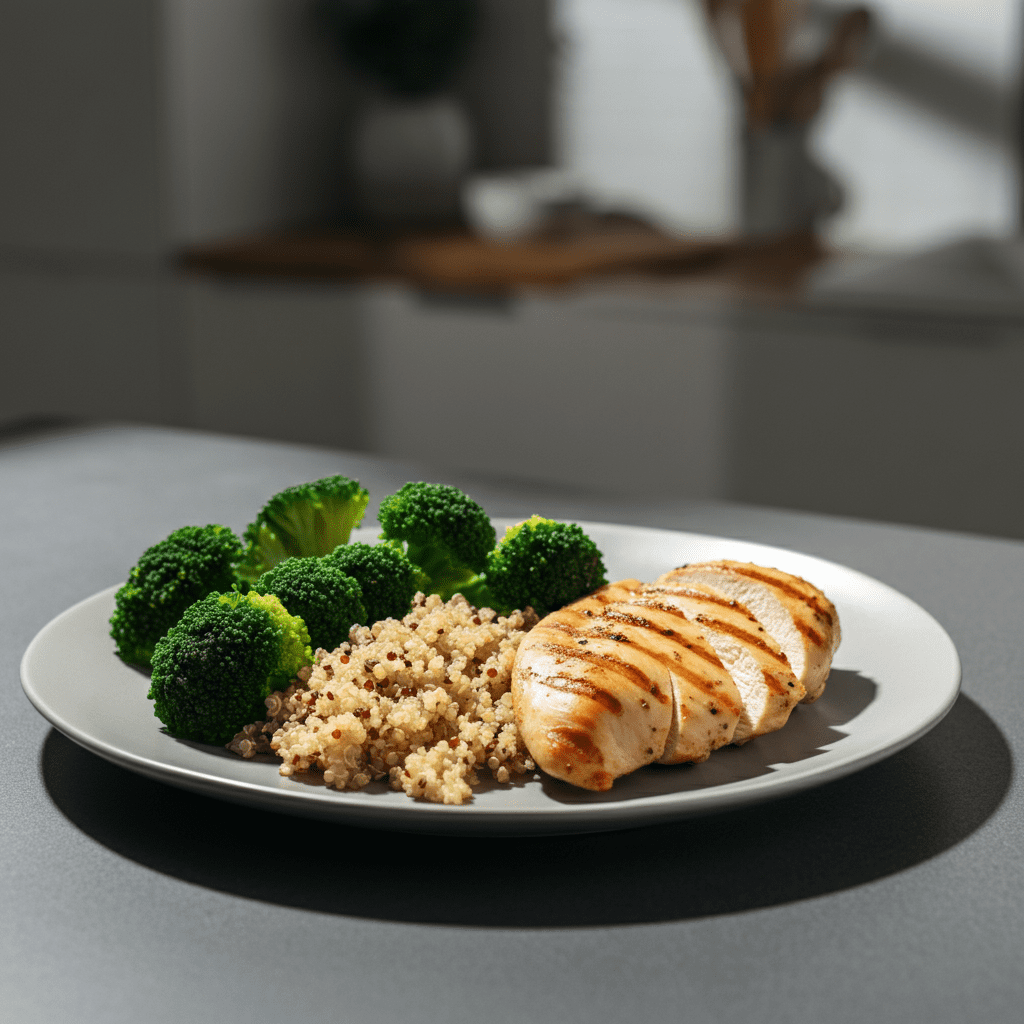
- Lunch: Grilled chicken breast, quinoa, and steamed broccoli.
- Dinner: Baked salmon, roasted sweet potato, and sautéed spinach.
- Snacks: Greek yogurt with honey and walnuts, or a handful of almonds.
Testosterone-Boosting Foods
Muscle growth can be increased by consuming the foods that stimulate the production of testosterone. Important nutrients such as zinc, D vitamin and healthy fats are important with regard to ensuring the optimum levels of testosterone.
Top Testosterone-Boosting Foods
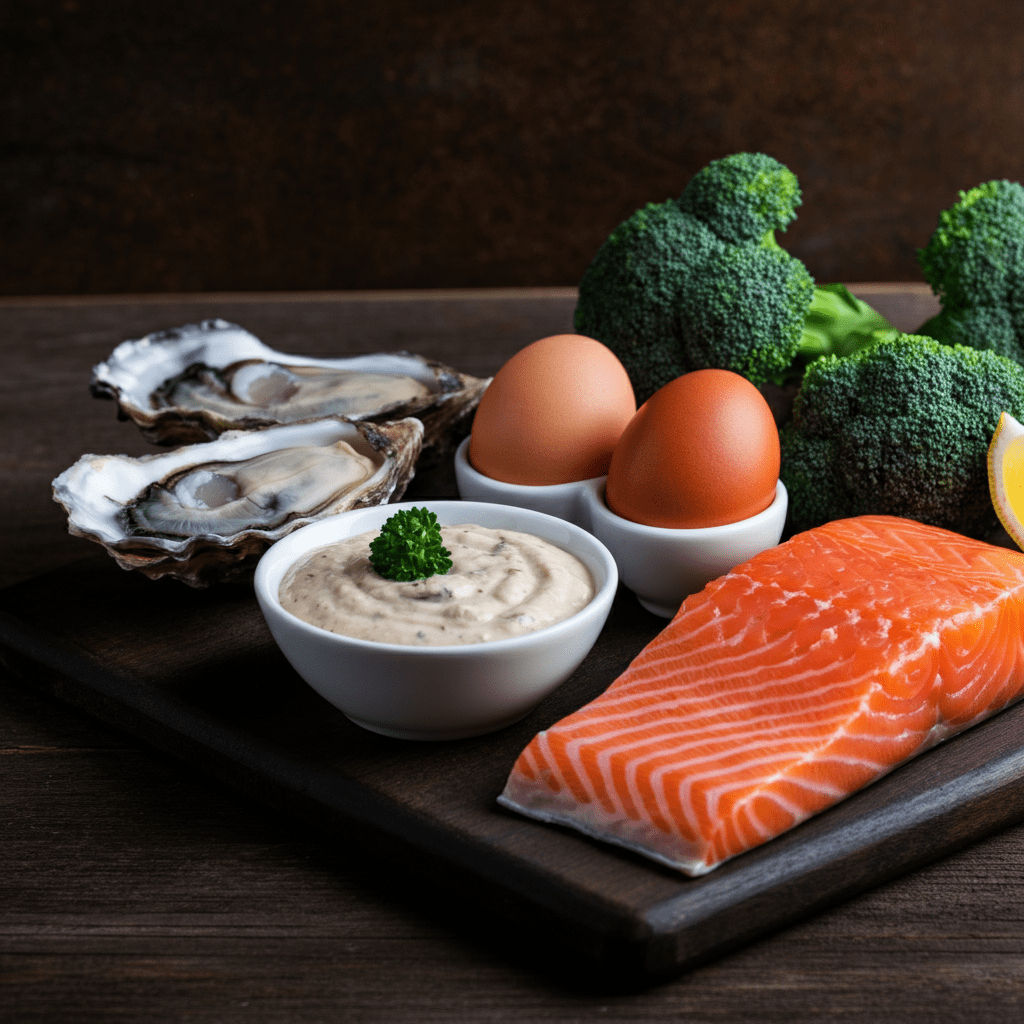
- Cruciferous Vegetables (broccoli, kale, Brussels sprouts): These help balance hormones by reducing excess estrogen.
- Zinc-Rich Options (oysters, pumpkin seeds, red meat): Zinc is crucial for testosterone production.
- Egg Yolks: Rich in vitamin D and cholesterol, which support testosterone synthesis.
- Fatty Fish (salmon, mackerel, sardines): High in omega-3 fatty acids, promoting overall hormonal health.
Pro Tip for Veggie Prep:
Steam or lightly sauté cruciferous vegetables to retain their hormone-balancing properties without diminishing nutrients.
Hydration Tips
facilitates the vital processes in the organism, including maintenance of body temperature, help in the digestive process and delivery of nutrients. Goal: consume 8-10 cups of water per day and increase depending on the amount you are active and the climate. Add some hydrating foods such as cucumbers, watermelon and oranges to supplement with your water.
Supplement Recommendations
Even though a balanced diet ought to be the primary source of the nutrients, some supplements may help to cover the deficiencies as well as increase the performance leading to the personal needs.
Multi vitamins: You need to make sure that you are taking care of all your basic micronutrient needs.
Protein Powder: It can be helpful in achieving daily protein intake particularly after exercise.
Omega-3 Fatty Acids: Omega-3 Fatty acids promote the health of the heart and mind; they are usually taken as fish Oil supplements.
Vitamin D: Helps the immunity system and bones, particularly among people who do not receive much sunlight.
Whenever you decide to include a new supplement in your routine, it is always better to talk to a healthcare expert or reputable registered dietitian.

Alcohol’s Impact on Muscle Building
Alcohol can prevent production of testosterone and muscle recovery when taken in large amounts though occasional usage is encouraged.
The influence of the Alcohol on Gains
Reduces Protein turnover: This reduces the growth and repair of your body as your body reserves more energy on detoxification.
Decreases Testosterone: Overuse of it can decrease its production that halts muscle growth.
Empty Calories added: Alcohol does not add to your nutriment but adds to your calorie content and this has a tendency of amassing fat.
Smart Decisions Making:
Do you like to take a drink? Well I suppose you would do this in moderation. Choose low-calorie food e.g. dry wine or a light beer and hydrate between servings to minimize its impact.
Meal Timing for Shift Workers
Men working irregular hours often face challenges with eating schedules, which can affect muscle-building efforts.

Tips for Meal Timing
Pre shift Fuel: Start with right diet of protein and complex carbohydrates so that you go through the shift.
Smart Snacking at the Workplace: Stuff snack foodstuffs that you can carry along with you like fruits, boiled eggs, protein bars or a variety of nuts.
Post-exercises Body Recovery: Add lean source of protein and a high-glycogen-burning carb to replenish the glycogen levels, which aid body and muscle recovery.
SMP Sample Shift Worker Plan:
Pre-Work: Nothing, except soft oatmeal with berries and peanut butter.
Mid shift Snack: Beef jerky or protein smoothie.
Post-Shift: Grilled turkey burger, wholegrain bun and diversion salad.
Androgenic Cooking Methods
Certain cooking techniques can help preserve nutrients important for hormone health.
Best Cooking Methods
- Grilling or broiling preserves zinc and vitamins while adding flavor.
- Steaming minimizes nutrient loss in vegetables like broccoli and kale.
- Using Healthy Oils (e.g., olive oil and avocado oil) ensures that fats contribute to testosterone production without adding harmful trans fats.
Avoid These
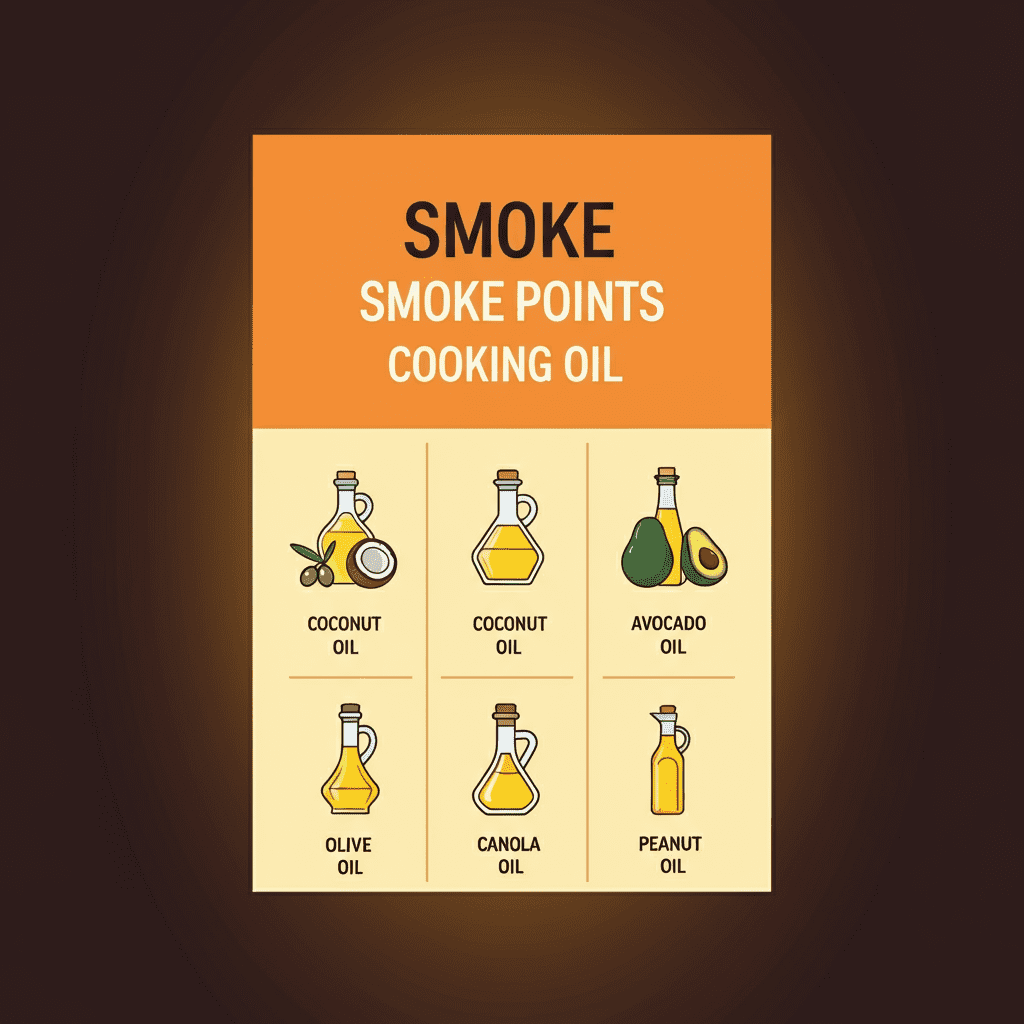
High-heat methods like deep frying can cause oil to reach its smoke point, generating harmful compounds that impair testosterone.
Zinc-Rich Snacks for Muscle Growth
Snacks loaded with zinc make a great addition to a muscle-building diet.
Quick Zinc-Packed Options
- Roasted pumpkin seeds
- Tuna or canned sardines on whole-grain crackers
- Dark chocolate (70% cocoa or higher)
- Almonds or cashews
Cooking Oil Smoke Points
Cooking oils differ in how they respond to heat, and choosing the right oil is critical for preserving nutrients.
Best Oils for High-Heat Cooking
- Avocado oil (smoke point ~520°F)
- Ghee or clarified butter (~485°F)
- Canola oil (~400°F)
Oils for Low-Heat Cooking
- Extra virgin olive oil (~375°F)
- Flaxseed oil (avoid heating; great for salads)
People Also Ask (PAA)
- Is it possible to build muscle with 3,000 calorie diet?
Ans: Yes, even like 3,000 calories can be utilized to build muscle mass as long as you are doing strength training and a good macro ratio. - Which are the food items that help to increase testosterone?
Ans: Testosterone production can be encouraged by the use of such foods as eggs, oysters, fatty fish, and broccoli. - What is the influence of alcohol on testosterone?
Ans: High alcohol lowers the testosterone level and hinders the process of protein synthesis causing muscle recovery to be very slow. - What is the best food shift workers should have in the late night?
Ans: The best late night snack consists of protein and easily processed carbohydrates; e.g. grilled chicken and rice or yogurt with honey and granola. - Which oil is good to cook to increase testosterone?
Ans: Avocado oil and extra virgin olive oil are very good because of their health fats composition and the fact that they help to retain nutrients in their cooking process. - What makes zinc muscle building?
Ans: Zinc boosts the hormone production of testosterone, promotes recovery, and helps in the process of protein synthesis, which are important in muscle growth.
Conclusion
To build muscles, you do not need to make the process overwhelming when designing a 3,000-calorie muscle-building meal plan. Taking in the 40/30/30 macro split, adding up testosterone-boosting foods into the diet, and making good use of smart timing of a meal will stimulate muscle production and straighten out the recuperation procedure. Making sure that grocery shopping includes the right cooking options or the snacks containing zinc does not seem like much but matters a lot.
With the help of the consistency of your meal plan and following your progress, you may make corrections to make sure you are on track to meet your nutrition and fitness objectives. The thing is that muscle building is a slow process and it cannot be done quickly. Supplement this well-put meal plan with good exercise regime, hydration and good sleep to get the best out of it. Gradually, such work will both produce a visibly increase in strength, faster recovery, and a healthier, stronger body.
You start creating your all-time muscle-fueling meal structure right now–your gains are coming! Have questions? And we will take care of it start you off in case you drop them below.
M. Saim Akhtar
Certified Health Content Specialist at HealthBoostMax. INFS-qualified nutrition researcher with 5+ years of evidence-based health writing. Focus areas: health wellness Information, preventive medicine, nutritional biochemistry, and fitness science.
Table of Contents
Stress may be overwhelming either you are at work, traveling through a busy commute, and even at your home. It affects your wellbeing, health, and your quality of life. But the great news is that within some steps, the quick stress relief is close at hand. It is a guide to 30 quick stress relief ideas that are tested and tried to relax the mind and body within a few minutes. These techniques form a fusion between psychological and physiological techniques and use neuroscience to help you restore balance no matter where you are.
There is one more advantage to these tricks that are supported by the professionals and can be very useful in your life. Whether you can incorporate breathing exercises or mindfulness tricks and all that helps you relax your physical body, this is all you need to have by your side or make this your first-aid surprise box at any moment when you feel stressed.
Continue reading, and regain the ability to control your inner peace through practical activities and research-based methods.
30 Immediate Stress Relieving Techniques
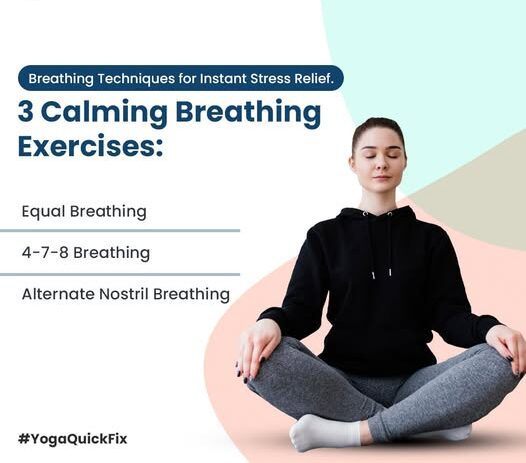
1. Practice Deep Breathing (Diaphragmatic Breathing)
Slow and deep belly breathing triggers the parasympathetic nervous system, which will decrease the fight or flight stress.
2. Progressive Muscle Relaxation
Contract and relax every group of muscles in your body to help physical tension seep out.
3. 4-7-8 Breathing Technique
Inhale 4 seconds, hold 7 and breathe out 8. This originally decreases the rate of your heart.
4. Guided Meditation Apps
Download meditations with applications such as Calm or Headspace and use them to do short guided meditations.
5. Grounding Technique (5-4-3-2-1)
To be present notice five things you see, four things you can touch, three things you hear, two things you smell, and one things you taste.
6. Quick Stretching
Relax your limbs, arms and neck so that you can expend the tension in your body.
7. Listen to Calming Music
Mental relaxation can instantly be achieved using soft piano or nature sounds.
8. Journal Your Thoughts
Writing on a journal enables you to de-clutter your mind. It does not even take 5 until 10 minutes to write.
9. Drink Herbal Tea
Your mind and body can be settled down by chamomile or peppermint tea.
10. Visualize a Safe Space
Feel free to close your eyes and think of a place you usually find the most peaceful (it could be a cave, forest, or a beach).
11. Aromatherapy
Your senses can be promptly calmed down by lavender or eucalyptus essential oils.
12. Acupressure (DIY Techniques)
The level of stress will be decreased by pressing the junction of the hand which is called the Hegu point of the hand.
13. Laugh Out Loud
A state of laughter causes endorphins to be released and decreases cortisol. Look at a humoroustape!
14. Chew Gum
Chew gum decreases extra cortisol levels and causes a restful diversion.
15. Quick Body Scan Exercise
Scan your head to toe and pay attention to tense places.
16. Take a Cold Drink of Water
A glass of cold water cleans the body and mind.
17. Do a Digital Detox
Get out of the screen after 5-minute interval to clear your eyes and mind.
18. Use Positive Affirmations
To bring yourself back to the ground, repeat such phrases as, I am in control or I can handle this.
19. Squeeze a Stress Ball
Such physical activities as the process of squeezing drain out the energy of stress.
20. Box Breathing Technique
Inhale, pause, breathe out and rest, all in 4 counts.
21. Go Outside in Nature
Mere 10 minutes in the open air will reduce stress hormone levels in you.
22. Close Your Eyes (Mini Break)
Unhurried yet efficient- put your eyes closed to regain senses that have been overutilised.
23. Practice Gratitude
Write down 3 simple things you are thankful about to switch in the positive direction.
24. Tactile Calm (Touch a Soft Object)
Touch something soft to make you feel anchored, a blanket or a dog that you can pet, or anything warm.
25. Aromatic Relaxation Candle
To calm the ambience with calming relief, light a relaxation candle.
26. Finger Tapping (EFT)
Tap on the acupressure spots around your body as you keep saying reassuring words.
27. Short Break Walk
The stress gets relieved even by walking around the room during several minutes.
28. Hug a Loved One or Pet
Physical contact brings out oxytocin that neutralizes the stress hormones.
29. Yoga Pose (Child’s Pose or Downward Dog)
Yoga can adjust your levels of stress physically and emotionally with a few fast poses.
30. Read a Page of a Book
Read to distract yourself away and escape the cause of tension.
Psychological and Physiological Approaches
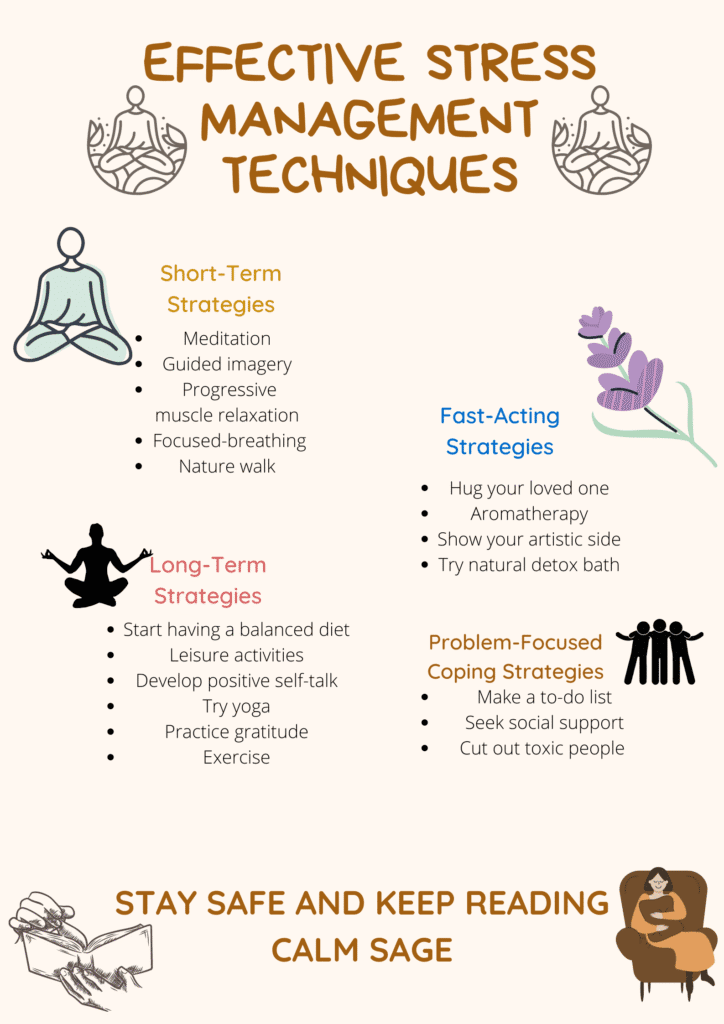
Stress causes the amygdala of the brain to be activated leading to a flight-or-fight response. You can cheat this feed via working on the mental strategy like mindfulness or physical changes like purposeful breathing and bring the brain back into equilibrium. The techniques such as visualization and grounding allow creating a calm state of mind and emotion.
How Neuroscience Explains Quick Stress Relief
Neuroscience reveals that deep breathing reduces the rate of the heartbeat. Such habits as meditation restore the levels of cortisol in the body, and gratitude helps have their neural pathways rewired, which emphasizes positive aspects.
The Role of Exercise in Stress Reduction
Neuroscience and psychologists say that physical activity is an effective stress management tool. Exercise triggers release of endorphin commonly known as feel-good hormones that improve mood and lessen perception of pain. At the same time, cortisol and adrenaline are the levels of hormones which are related to stress and are reduced by constant movement. Any type of exercise including but not limited to yoga, running or even brisk walking not only relieves any building physical tension i.e. gives it a physiological escape route, but also has the added benefit of benefiting the entire brain, i.e. enhancing thinking abilities in general including neurogenesis, focused and memory.
Stress Relief in Different Environments
At Work
- Do some chair stretch or desk yoga. Have a stress ball around as relief.
During Travel
- Get apps that you can use to meditate anywhere. Concentrate on box breathing so as not to become overwhelmed.
At Home
- Calm down with aromatherapy or burnt a soothing candle. Consider techniques that take more time such as progressive muscle relaxation.
Research-Backed Interventions
Scholars do not suggest one single technique to reduce stress: they advise to mix techniques to achieve better results. Research has revealed that meditation boosts the gray cells in the brain whereas the laughing therapy drastically reduces the level of cortisol. The combination of breathing practices and practices such as a gratitude journals increases efforts tenfold.
Physical Activity and Stress Relief
One of the best things that may be done to decrease stress and better their health is regular exercise. Exercise elicits endorphins which cue the mind as happy chemicals thus elevating mood and decreasing anxiety. Yoga, walking, even dancing are all activities that do not only add value to the physical condition of the body but also give the mind a reprieve and an opportunity to rest and rejuvenate. Even fewer personalized acts of moving, which can totally boost resilience to everyday stressors.

Expert Recommendations
A clinical psychologist, Dr. Emily Anders, promises, however, that with flexible toolkit of strategies, you can cope with stress. Such techniques as visualization, journaling, mindful breathwork can aid a person in dealing with stressors in a dynamic way. Dr. Anders also recommends starting with 2-3 techniques and build later.
FAQs
1. How can stress be reduced quickest?
Some of the most rapid techniques of reducing stress include breathing, herbal tea, and grounding.
2. What is the duration of the effect of stress relieving methods?
Some of them such as deep breathing will work after 1-2 minutes whereas some may require 10 minutes.
3. Is it possible to avoid chronic anxiety by employing stress-relief techniques?
Indeed, chronic stress and its subsequent anxiety can be alleviated with a consistent practice of such techniques as mindfulness and journaling.
4. Is there any fast stress relief exercise to work?
Yes, desk yoga, chair stretch and grounding exercises are effective in the office.
5. What are the benefits of breathing to reduce stress?
Breathing will decrease cortisol and kindles the relaxation response of the body, which relaxes the nervous system
Conclusion
The process of managing stress does not take long. Proper techniques can save you and get you nearly instant relief at any time and place. Deep breathing and gratitude activities to meditations and nature therapy, these are all science-proven methods that enhance the state of mind and lessen bodily stress. Begin by incorporating some of these behaviors into your life now in order to find homeostasis and strength. Pass this book onto other people and bring a more peaceful, healthy world.
Just bear in mind that stress always needs to be tackled constantly. The aforementioned techniques can be used when instant relief is required, yet their effectiveness is high in case of daily use. As time goes by you will realize that you will handle situations and issues more easily and calmly. Moreover, do not be afraid to inquire about the assistance of a professional in case of the necessity- mental health professionals can provide you with specialized tactics and methods to assist you in the process. Caring about yourself is one of the most effective choices to make in order to live a happy full-filling life.
M. Saim Akhtar
Certified Health Content Specialist at HealthBoostMax. INFS-qualified nutrition researcher with 5+ years of evidence-based health writing. Focus areas: health wellness Information, preventive medicine, nutritional biochemistry, and fitness science.

Natural remedies for chronic sinus infection related to low immunity 2025

Best post-workout routine to prevent exercise-induced immune suppression2025

5 Breathing Techniques to Calm Your Nervous System and Boost Immunity

Best Foods to Boost Testosterone Naturally in 2025

How to Boost Your Immune System Naturally (2025)

Top Superfoods for Energy in 2025 – Boost Your Vitality

-
 Healthy Lifestyle & Nutrition7 months ago
Best Foods to Boost Testosterone Naturally in 2025
-
 Healthy Lifestyle & Nutrition6 months ago
How to Boost Your Immune System Naturally (2025)
-
 Healthy Lifestyle & Nutrition6 months ago
Top Superfoods for Energy in 2025 – Boost Your Vitality
-
 Disease Prevention & Health Tips7 months ago
COVID Vaccine Heart Risk Warnings and Safety Update in 20025
-

 Fitness & Exercise6 months ago
Healthy Meal Plans for Men | 3,000-Calorie Muscle-Building Ultimate Guide
-

 Fitness & Exercise7 months ago
Simple Exercises to Boost Flexibility with Arthritis
-

 Men’s & Women’s Health6 months ago
How to Balance Hormones Naturally for Women | Ultimate Hormone Balance Guide (2025)
-

 Natural Remedies & Herbal Treatments6 months ago
Natural Strategies to Lower Cholesterol – Expert Guide2025
-

 Healthy Lifestyle & Nutrition6 months ago
How to Detox Your Body Safely at Home in 2025
-

 Mental Health & Wellness7 months ago
Quick Stress Relief Techniques for Instant Calm(2025)